By clicking “Accept All Cookies”, you agree to the storing of cookies on your device to enhance site navigation, analyze site usage, and assist in our marketing efforts. View our Privacy Policy for more information.
Healthcare education

More than management: why early recognition and intervention matters in adult dysphagia

For many healthcare professionals, dysphagia is something we assess and manage once swallowing difficulties have become established. Yet growing evidence suggests we should be intervening much earlier.
Sign up to the Accora Academy
Share

For many healthcare professionals, dysphagia is something we assess and manage once swallowing difficulties have become established. Yet growing evidence suggests we should be intervening much earlier. By recognising risk factors and subtle clinical changes before significant swallowing impairment develops, we have the opportunity to reduce complications, improve quality of life, and support people in maintaining safe eating and drinking for longer (Rivelsrud et al., 2023).

Dysphagia affects adults across a widerange of healthcare settings, particularly older people and those living withneurological conditions such as stroke, Parkinson's disease, dementia and motorneurone disease. It is associated with serious health consequences includingaspiration pneumonia, malnutrition, dehydration, prolonged hospital admissionsand increased mortality (Rivelsrud et al., 2023). However, many of thesecomplications are not inevitable. Early recognition, timely intervention andcoordinated multidisciplinary care can make a significant difference.

Recognising risk before swallowing fails

Swallowing rarely deteriorates overnight. Early warning signs often appear weeks or months before dysphagia becomes obvious.

Persistent coughing during meals, changes in voice quality after swallowing, recurrent chest infections, prolonged mealtimes, unexplained weight loss, fatigue when eating or avoiding particular food textures should all prompt further assessment rather than being accepted as part of ageing or disease progression. The European Society for Swallowing Disorders (ESSD) identifies dysphagia as a geriatric syndrome that requires proactive identification and management because of its far-reaching impact on health, function and independence (Baijens et al., 2016).

Early referral allows appropriate assessment and the introduction of preventative strategies before avoidable complications develop.

Prevention is everybody's business

While Speech and Language Therapists lead specialist swallowing assessment, preventing dysphagia-related complications relies on effective multidisciplinary working.

Occupational Therapists optimise positioning and seating to support safe eating and drinking. Physiotherapists contribute to respiratory health, mobility and airway clearance. Dietitians help maintain adequate nutrition and hydration, nurses play a key role in oral care and monitoring, and carers and families are often the first to recognise subtle changes in eating and drinking.

This collaborative approach aligns withcurrent guidance from the Royal College of Speech and Language Therapists,which emphasises that safe swallowing is influenced by far more than the swallow itself (RCSLT, 2024).

Positioning: the often overlooked intervention

One area that deserves greater attention isposture.

Effective swallowing depends on postural stability. Poor pelvic positioning, reduced trunk control, asymmetrical sitting, inadequate head support or fatigue can all compromise the coordination of swallowing, breathing and airway protection. Optimising posture before and during meals can improve comfort, reduce effort and support more efficient swallowing.

Although high-quality intervention studies specifically examining positioning remain limited, posture is consistently recognised within dysphagia guidance as an essential component of comprehensive management (RCSLT, 2024; IDDSI, 2019). For Occupational Therapists and Physiotherapists, this represents an important opportunity to contribute proactively to dysphagia prevention rather than becoming involved only after problems have emerged.

Small changes, significant outcomes

Preventative interventions do not always require specialist equipment or complex rehabilitation programmes. Often, small changes implemented consistently can have a substantial impact.

Good oral hygiene is one of the clearest examples. Poor oral health increases bacterial colonisation within the mouth, meaning that when aspiration occurs it is more likely to result in pneumonia. Recent evidence continues to support structured oral health programmes as an important component of dysphagia care, particularly for vulnerable adults (Chouet al., 2023).

Likewise, maintaining good nutrition and hydration helps preserve muscle strength, immune function and overall resilience. The European Society for Clinical Nutrition and Metabolism (ESPEN) highlights nutritional management as a fundamental aspect of preventing the adverse consequences of dysphagia (ESPEN, 2023).

Where appropriate, rehabilitation programmes aimed at maintaining or improving swallowing function should also be considered. Rather than relying solely on compensatory strategies, rehabilitation may help preserve function and delay deterioration in selected patient groups.

Looking beyond the swallow

Perhaps the most important message is that preventing dysphagia complications requires us to look beyond swallowing alone.

Oral health, posture, nutrition, hydration, respiratory function, cognition, fatigue and the eating environment all influence swallowing safety. By recognising risk factors early and addressing these wider contributors, clinicians can reduce avoidable complications and support people to remain healthier and more independent for longer.

Moving from reactive management to proactive prevention represents an important shift in clinical practice. It requires healthcare professionals to work collaboratively, recognise early signs of deterioration and intervene before swallowing problems become crises.

Ultimately, dysphagia management is about much more than food and fluids. It is about protecting health, maintaining dignity and enabling people to continue participating in one of life's most important occupations- eating and drinking safely, comfortably and with enjoyment.

Jenny Rolfe & Jennifer Benson
Consultant Occupational Therapist & Independent Speech and Language Therapist
Jenny Rolfe & Jennifer Benson

More than management: adult dysphagia

Watch the webinar on demand. More than management: benefits of early recognition and intervention in adult dysphagia.

Watch on demand

Baijens, L.W.J., Clavé, P., Cras, P. et al.(2016). European Society for Swallowing Disorders – European Union GeriatricMedicine Society White Paper: Oropharyngeal Dysphagia as a Geriatric Syndrome.Clinical Interventions in Aging, 11, 1403–1428.

Chou, R., et al. (2023). Screening,Referral, Behavioral Counseling, and Preventive Interventions for Oral Healthin Adults. JAMA, 330(20), 2059–2068.

ESPEN. (2023). ESPEN Guideline onClinical Nutrition and Hydration in Geriatrics (current update).

International Dysphagia DietStandardisation Initiative (IDDSI). (2019). Complete IDDSI Framework.

Rivelsrud, M.C., et al. (2023). Prevalenceof Oropharyngeal Dysphagia in Adults in Different Healthcare Settings: ASystematic Review and Meta-analysis. Dysphagia.

Royal College of Speech and LanguageTherapists (RCSLT). (2024). Eating, Drinking and Swallowing ClinicalGuidance.

Steele, C.M., et al. (2024). Recentevidence supporting rehabilitation and exercise-based interventions for adultdysphagia (systematic review).
 

Accora Team
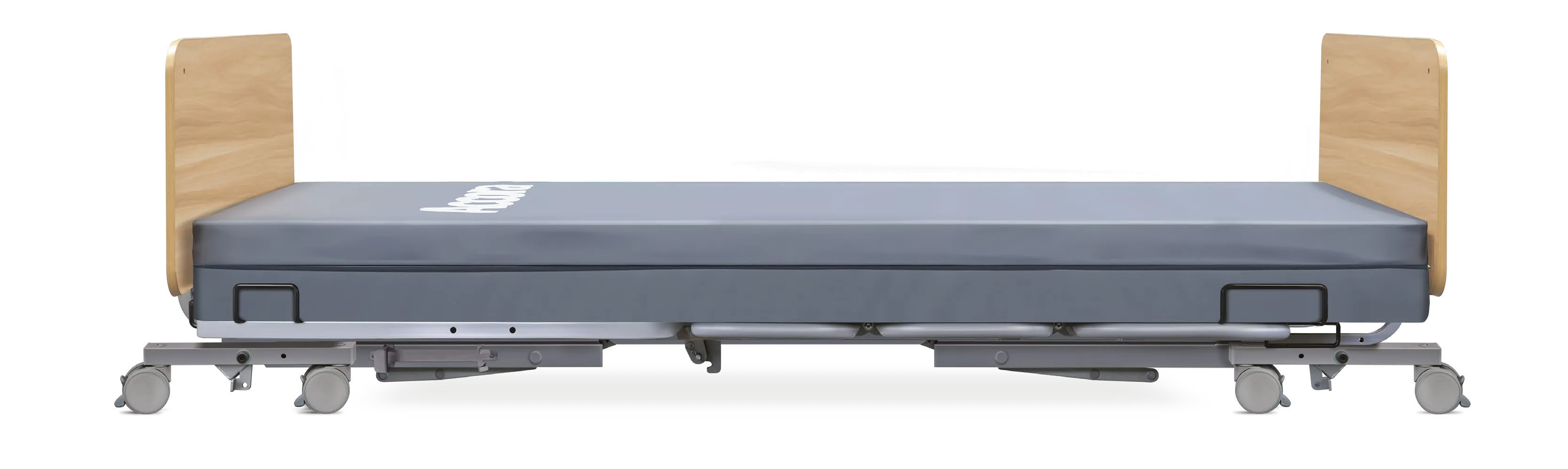
FloorBed technology to help skilled nursing, rehabilitation and long-term care facilities prevent falls and fall-related injuries.

You might like

Meet the team

Meet the Team: Sarah Thompson's mission to improve comfort and care

Sarah has been part of Accora for two and a half years, bringing deep clinical expertise, compassion, and an infectious enthusiasm for improving care outcomes. Here’s a little insight into her role, what drives her, and how she combines her professional and personal passions.

2 mins
October 24, 2025
News

Accora and RCOT Partnership

Read more about the news of our new partnership with the Royal College of Occupational Therapists

5 mins
June 3, 2026
Postural management

What is 24-hour posture management and why it matters for OTs?

This article outlines the concept of 24-hour posture management and why it can be a valuable approach to Occupational Therapy which helps to support daily activities and occupations that improve the quality of life for their clients.

5 min read
December 5, 2023
Pressure care management

The swell effect: Starting with legs for patients sleeping in a riser recliner

When a patient presents with swollen legs (oedema), they aren't just carrying extra fluid; they are carrying a heavy burden that threatens their independence and potentially the viability of their skin in terms of leg ulceration and potential pressure damage. If left unmanaged, a "simple" case of swelling can trigger a downward spiral that could end in a total loss of mobility- a state clinicians often call being “off-legs.”

2 mins
March 24, 2026
Pressure care management

Stop the Pressure week 2025: Tissue Viability Nurses Heidi and Sarah reflect on making every moment of care count

As Stop the Pressure Week 2025 continues, the Society of Tissue Viability invites us to pause and consider this year’s theme: “What matters to me is…”. It’s a call to re-centre care around the voices, values, and needs of the people that we support every day.

2 mins
November 20, 2025
Postural management

Postural management

In this blog, we delve into the essential considerations when assessing and selecting the right seating system for individuals with postural challenges, addressing factors like physical limitations, transfer methods, sensory needs and cognitive capacity to achieve an ideal seated posture.

6 min read
September 6, 2022
Meet the team

Meet the team: Diana Coogan

Today we are shining a spotlight on our Ireland Customer Care Manager, Diana. She shares some insights into her role, what motivates her, and how Accora’s values shape the way she works.

2 mins
April 27, 2026
Occupational Therapy
Meet the team

Celebrating OT week: A day in the life of our Occupational Therapy team

As we celebrate Occupational Therapy Week, we’re shining a spotlight on the incredible work our Occupational Therapists (OTs) do every day.

2 mins
November 3, 2025
Meet the team

A cuppa with... our south east account manager

Real impact begins with real people- get to know the team behind Accora’s mission.

5 minutes
May 12, 2025
Occupational Therapy

How can posture contribute to safer swallowing? A multidisciplinary review

There can be numerous reasons for these challenges in swallowing including cognitive decline, difficulties with controlling the muscles in the mouth, or challenges with postural control that can affect the ability to self-feed and swallow safely. This article offers an overview of the challenges some individuals may face when swallowing, the associated risks, as well as practical interventions and insight into ideal posture and positioning for optimal safe swallowing.

10 minutes
Pressure care management

Does skin tone matter in pressure ulcer care?

Heidi has been a Tissue Viability Nurse since 2002. Her interest and passion in the prevention and management of pressure ulcers began in 1987, on registering as a nurse. She has worked in both acute and community care, and is currently the part-time Tissue Viability Services Lead for Hertfordshire Community NHS Trust.

5 minutes
August 11, 2025
Occupational Therapy

Safe by design: How Accora supports safer care every day

At Accora, safety isn’t just a design feature– it’s a mindset. From reducing fall injuries to supporting better posture and dignity, our solutions aim to protect patients, empower carers, and prevent harm. This year, we launched a 3-part campaign to celebrate the people, products, and practices making care safer. Here’s what we shared– and what we learned from our community.

3 mins
September 17, 2025
Pressure care management

Pressure ulcer prevention and management

In this blog, we explore the critical factors contributing to pressure ulcer prevention and management in riser recliners and specialist seating systems. From assessing pressure risks related to mobility, sensation, weight and continence, to choosing the right pressure cushions and fabrics for optimal support and comfort.

5 min read
June 21, 2022
No items found.

Clinical reasoning in Allied Health: making our thinking visible with Jenny Rolfe

Clinical reasoning sits at the core of safe and effective healthcare practice. For Occupational Therapists (OTs) and other Allied Health Professionals (AHPs), it underpins everyday clinical decisions- from assessment and intervention planning to risk management and person-centred care.

2 mins
April 20, 2026
Meet the team

Meet the Team: Des Kavanagh

Today we are shining a spotlight on our Ireland Country Manager, Des. He shares some insights into his role, what motivates him, and how Accora’s values shape the way he works.

2 mins
December 22, 2025
Specialist seating

Assessing for the correct chair size

In this blog, we stress the importance of choosing the right chair size for comfort and safety, offering practical guidance for assessment.

5 min read
September 5, 2022
No items found.

What does person-centred care mean to you?

Person-centred care is one of those phrases that everyone in health and social care uses, and almost no one defines the same way. It appears in policy documents, training materials, care plans, and inspection reports- yet ask ten clinicians what it means in practice, and you'll get ten different answers. So at our recent 24-Hour Care Conference in Watford, we decided to do exactly that. We handed out a card with one prompt: 'Person-centred care is…'

3 mins
May 21, 2026
Occupational Therapy
Healthcare education

From sitting to doing: why sitting tolerance must link to meaningful goals

Let’s be honest- no one wakes up thinking: 'today, I’m really going to work on my sitting tolerance.'‍ And yet… in our world, it quietly becomes one of the most important things we assess.

2 mins
June 16, 2026
Meet the team

Meet the Team: Brendon Warren on always going the extra mile

This month in our Meet the Team series, we’re introducing you to Brendon Warren, our Sales Support Co-ordinator. Brendon has been with Accora for over two years, bringing energy, dedication, and a can-do attitude to his role. Here’s a little insight into his work, his values, and what keeps him motivated.

3 mins
September 4, 2025
Occupational Therapy
Profiling beds

Reducing fall risks in elderly care: The role of floor-level beds

We look into how floor-level beds can play a crucial role in reducing fall risks for the elderly, offering a safer and more comfortable sleeping environment.

5 min read
June 16, 2025
News

100 Promoters in a row!

Celebrate our success in achieving 100 NPS promoters in a row, and learn tips from our team on how you can achieve this too.

5 minutes
January 24, 2025
Occupational Therapy

Rethinking falls prevention: giving people the confidence to keep moving

Key insights from our Accora Academy webinar on rethinking falls prevention, from evidence-based interventions to community-level change.

6 mins
July 6, 2026
Profiling beds
Occupational Therapy

Safe sleep: the Ascenda story

Great products don’t start with technology; they start with people. One of the most common problems occupational therapists face is a client who sleeps in their riser recliner. Typically due to ‘comfort’ or inability to transfer to a bed, this leads to numerous complications in posture, pressure, and in some cases can lead to Lymphedema. Critically, as a result of this, clients face the most challenging complication of all - the absence of independence and dignity.

3 mins
March 2, 2026
Healthcare education

Why education in health and social care must remain free

Across the UK, health and social care professionals are being asked to do more than ever before. They are supporting people with increasingly complex needs, navigating workforce shortages, and delivering care within systems under sustained financial pressure. Yet one expectation has remained constant: clinicians must continue to learn, adapt, and develop.

3 mins
Meet the team

Meet the Team: On the road with our Service Technician

This week, we caught up with Jake, one of our dedicated Service Technicians- to hear about his first year at Accora, the miles he’s clocked up on the road, and why solving tricky technical problems is all part of the joy.

3 mins
July 4, 2025
Meet the team

Meet the team: Richard ‘Richie’ Broaders

Meet our IE Operations Manager: Richie Broaders

2 mins
July 6, 2026
Profiling beds
Occupational Therapy
Pressure care management
Postural management

Understanding why patients choose riser recliners for sleep

For many people, a riser recliner armchair is more than just a comfortable seat- it becomes a place to rest and sleep. In this blog, we look at why people choose to sleep in these chairs and the alternative options to support patients' safety.

3 mins
January 13, 2026
Postural management
Healthcare education
Specialist seating

Why prevention and early intervention matters in 24-Hour postural care with Mary Snow

Posture is something we often take for granted, until it starts to impact our health, function, and quality of life. For Occupational Therapists and allied health care professionals, understanding posture is about observation, early action, prevention, and promoting long-term wellbeing.

3 mins
July 30, 2026
Meet the team

Meet the team: Gary Dooley

Meet our Sales Manager: three years in, leading teams across Ireland and proving that no two days at Accora are ever the same.

2 mins
May 25, 2026
Occupational Therapy

Occupational Therapists Week 2024: Insights from our experts

Discover the transformative role of occupational therapists and the profound impact they have on empowering independence and enhancing lives.

5 minutes
November 18, 2024
Profiling beds

What are the benefits of a FloorBed?

If you've ever wondered if a FloorBed is the right choice for you, a loved one or a service user, you're in precisely the right place to find out.

5 mins
September 6, 2023

Sign up to our Newsletter

Get the best content to your inbox