From sitting to doing: why sitting tolerance must link to meaningful goals
By Nicola Murphy, Occupational Therapist
Let’s be honest- no one wakes up thinking: 'today, I’m really going to work on my sitting tolerance.'
And yet… in our world, it quietly becomes one of the most important things we assess. Because here’s the reality: if someone can’t tolerate sitting, most activities of daily living don’t really happen.
The reality behind ‘just sitting’
We often talk about Activities of Daily Living (ADLs)- things like dressing, eating, washing- the basics of independence. But those everyday tasks rely on something we don’t always call out enough: the ability to sit comfortably, safely, and for long enough to actually do them.
Because sitting tolerance isn’t just ‘time in chair.’ It’s:
- comfort
- posture
- fatigue
- pressure risk
- ability to engage
You can have the best chair in the world… but if someone can only manage 20–30 minutes before discomfort or fatigue takes over:
- meals get rushed
- social time drops off
- participation reduces
- and time in bed creeps up
And suddenly, we’re not talking about sitting anymore- we’re talking about quality of life.
And no…the chair isn’t the whole answer
One of the biggest myths is ‘the seating is sorted'- if only it were that simple! Posture isn’t just a chair-based issue- it’s a 24-hour conversation.
We need to think about:
- What is happening overnight?
- Are they starting the day fatigued or misaligned?
- What happens during transfers?
All of these things feed directly into how well someone can sit, function, and participate. So no- we can’t just fix the chair and walk away (tempting though it is).
In a 24-hour care approach, the chair is only one part of the story. Bed positioning, rest, transfers, fatigue, and how the whole day is structured all affect whether someone can actually sit out, engage, eat, interact, and function comfortably. When day-time seating and night-time positioning work together, people are much more likely to manage meaningful activity with comfort and consistency.
Where it really matters: goal setting
This iswhere things either come together… or completely fall apart.
We’ve all seen these written down:
- ‘Improve sitting tolerance'
- ‘Improve posture’
- ‘Increase independence’
They sound right- but they don’t actually tell us anything useful.
Good practice (and yes, HCPC/RCOT expectations) means our goals need to be:
- clear
- meaningful
- linked to real life
Not just nicely worded for a report.
So… should we be using SMART goals?
Short answer: yes. Real answer: yes- but don’t overcomplicate it.
SMART goals get a bad reputation because they can feel a bit forced. But- in seating and postural care, they actually stop us writing vague goals that don’t translate into real life.
Instead of thinking about all five letters, just ask:
- What are they doing?
- How long for?
- With what level of support?
- Why does it matter?
That’s your goal.
What this looks like in practice
Let’s take a common one:
‘Increase sitting tolerance to 2 hours’
Try: ‘Sit out in chair for evening meal (45 minutes) with appropriate postural support, enabling safe eating and social interaction with family.’
Another:
‘Improve posture’
Try: ‘Maintain midline sitting to support safe swallowing during meals.’
And one more:
‘Increase activity’
Try: ‘Sit out of bed for afternoon visit without fatigue limiting engagement in conversation.’
The bit we sometimes forget
Not everyone needs to sit out for hours, and not everyone cares about the same outcomes.
The goal isn’t to hit a time target- it’s to support a routine and life that actually works for that person.
Why this matters
When you link:
- sitting tolerance
- posture
- meaningful activity
- real-life goals
You don’t just improve sitting. You improve:
- mealtimes
- social interaction
- routine
- comfort
- dignity
Because sitting isn’t the goal, participation is. Sitting tolerance is just one of the tools that gets you there. (An important one… but let’s keep it in its lane!)
Final thoughts
If you’re ever unsure, strip it right back:
What does this person need their day to look like?
Not:
- ‘What should the chair do?’
- ‘What does the assessment say?
But: ‘What actually matters to them?’ Because once you’ve got that right- the goals, the seating, the positioning, they tend to follow. We are still OTs after all.

Book a FREE joint visit
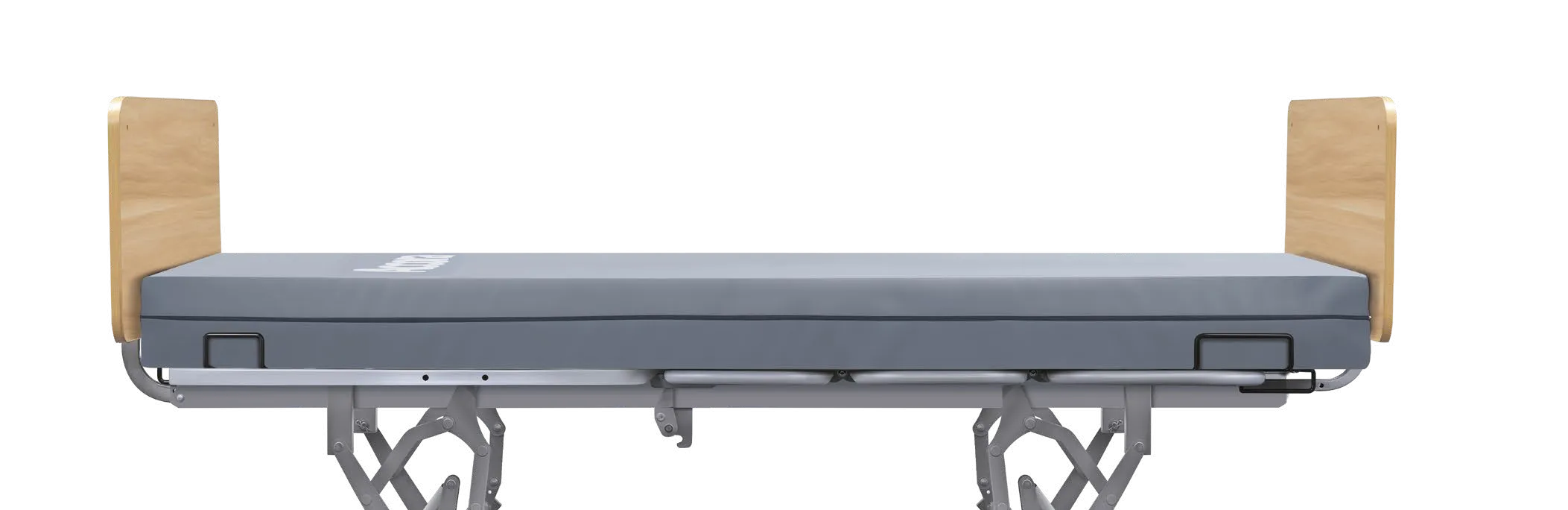
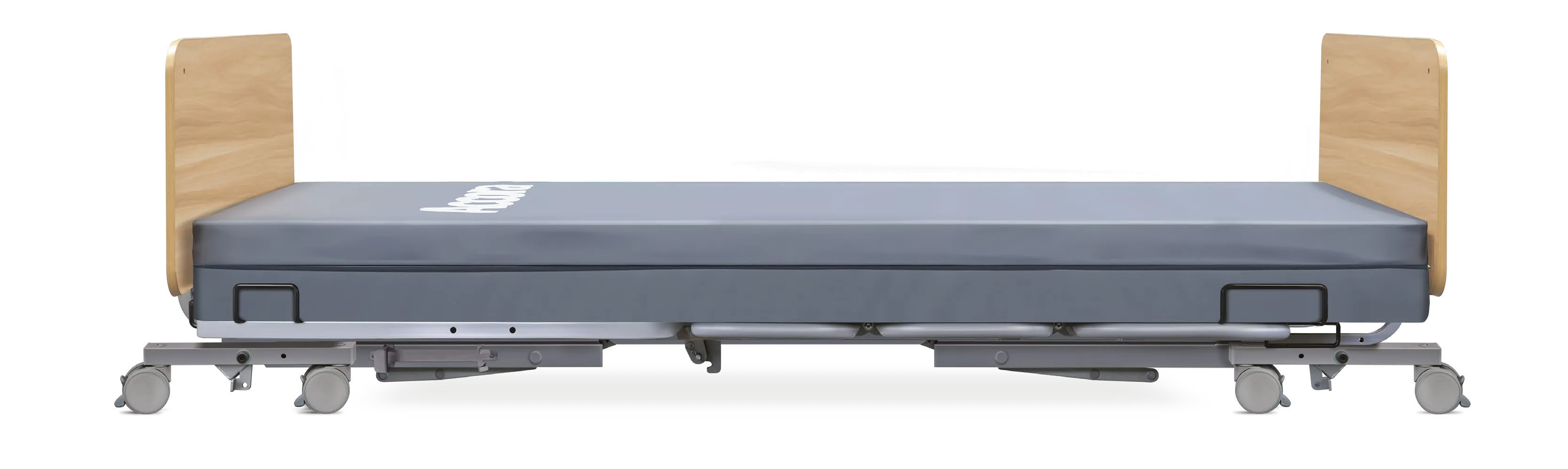
We offer joint visits at your service user's home for the Accora product range. Our Product Specialists recommend the minimum specification for your service user and work up from that from that as directed from the prescriber.


.jpg)







.png)
.jpg)