By clicking “Accept All Cookies”, you agree to the storing of cookies on your device to enhance site navigation, analyze site usage, and assist in our marketing efforts. View our Privacy Policy for more information.
Profiling beds
Occupational Therapy
Pressure care management
Postural management

Understanding why patients choose riser recliners for sleep

For many people, a riser recliner armchair is more than just a comfortable seat- it becomes a place to rest and sleep. In this blog, we look at why people choose to sleep in these chairs and the alternative options to support patients' safety.
Subscribe to our newsletter
Share

Understanding why patients choose riser recliners for sleep

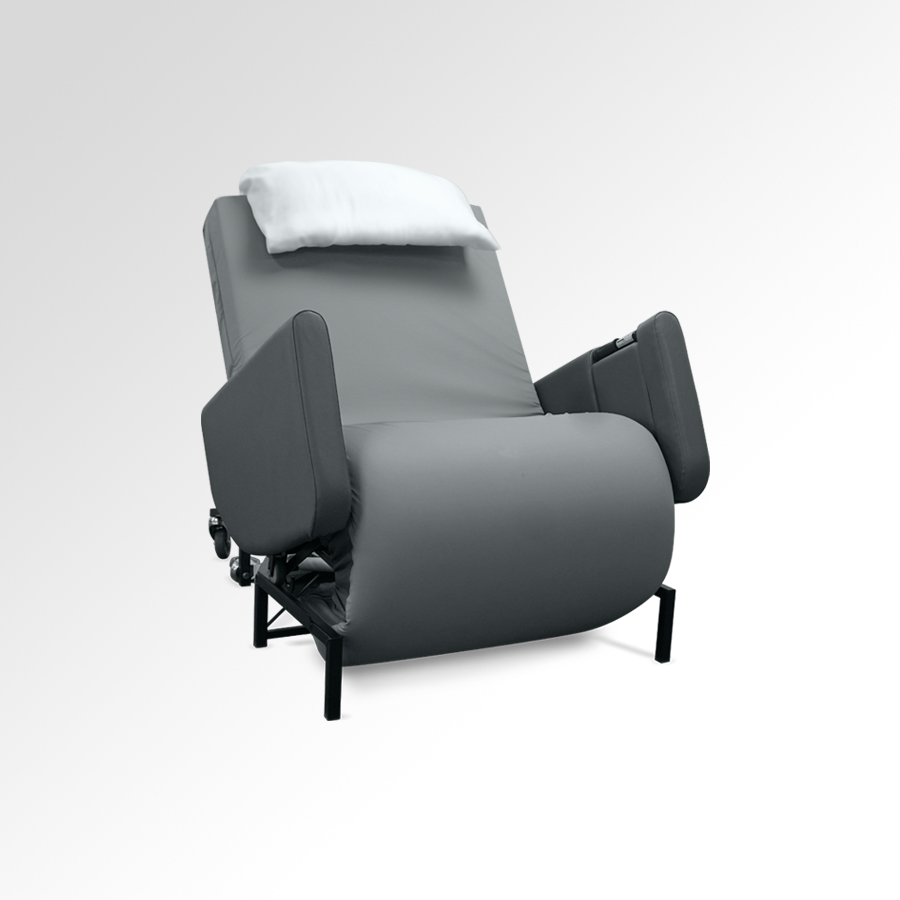
For many people, a riser recliner armchair is more than just a comfortable seat- it becomes a place to rest and sleep. While this might seem unusual to some, it’s a common choice, particularly among older adults or individuals with complex health needs.

Understanding why people choose to sleep in these chairs and how healthcare professionals can support them safely is crucial. 


Why people sleep in a riser recliner chair 

  1. Comfort and pain relief 
    Many people with musculoskeletal issues, arthritis, or chronic pain find that a riser recliner chair allows them to sit in a position that reduces discomfort. They are able to change position easier, and adjusting the backrest and legrest can relieve pressure on joints, the lower back, or the hips, making it easier to rest or sleep. 
  1. Reduced need for transfers 
    Individuals with limited mobility may find transferring to a bed challenging or risky. Sleeping in a riser recliner can reduce the number of transfers, lowering the risk of falls and making night-time care more manageable. It also prevents rolling or sliding.
  1. Improved circulation
    Elevating the legs or adjusting the backrest can improve circulation and reduce swelling. People with conditions such as heart disease or oedema often sleep in recliners to feel more comfortable and reduce symptoms. 
  1. Independence and safety 
    Riser recliners allow users to sit or stand with less effort, preserving independence. For those who struggle with balance or strength, being able to sleep in a chair they can safely exit without assistance can be empowering. 


What can healthcare professionals do to support this choice?

Supporting someone to sleep in a riser recliner can enhance comfort, safety, and overall quality of life. Healthcare professionals can: 

  • Recognise the practical and medical reasons behind this choice. 
  • Explore the benefits of riser-bed options to assist with sit-to-stand transfers, comfort and safety with the patient.
  • Include chair-based sleeping in care plans where appropriate. 
  • Guide posture, positioning, and safe use of the chair. 


Risks associated with sleeping in a riser recliner 

There are risks that should not be overlooked: 

  • Pressure ulcers

Prolonged sitting in one position increases the risk of pressure injuries, especially in those with limited mobility or fragile skin. 

  • Circulation issues 

Remaining in a semi-reclined position for extended periods can affect blood flow to the legs. 

  • Joint stiffness and musculoskeletal problems

Sleeping in a chair may not provide the spinal alignment support that a bed and mattress can offer. 

  • Falls or incorrect chair use 

Misusing the riser function or getting in/out unsafely can lead to falls or injury.

  • Less use of muscles

Leading to frailty and need for more intensive care in the future.

  • Low motivation

The patient has no need to move from where they are sat. This can lead to low mood and low motivation in their day-to-day life, as well as reduced mobility.


How Healthcare professionals can mitigate risks:

1. Regular repositioning

Encourage repositioning throughout the 24hour period to reduce pressure and maintain circulation. 

2. Pressure-relieving cushions and supports 

Use cushions, footrests, or specialised supports to protect vulnerable areas. Find our pressure relieving accessories here.

3. Skin checks 

Regularly inspect the patient's skin for redness, bruising, or early signs of pressure damage. 

4. Postural support

Adjust chair angles to maintain good alignment for the spine, neck, and legs. 

5. Education and training 

Teach users and caregivers safe chair use, including how to operate riser and recline functions safely. 

6. Multidisciplinary approach

Work with Occupational Therapists, Physiotherapists, and Nursing staff to optimise chair use and overall comfort. 

7.  Investigate lying positions and supports

Promote postural alignment, pressure management, and comfort.

8. Explore other options

Review the benefits of riser-bed options to assist with sit-to-stand transfers, comfort and safety.

Alternative options for your patient's safety

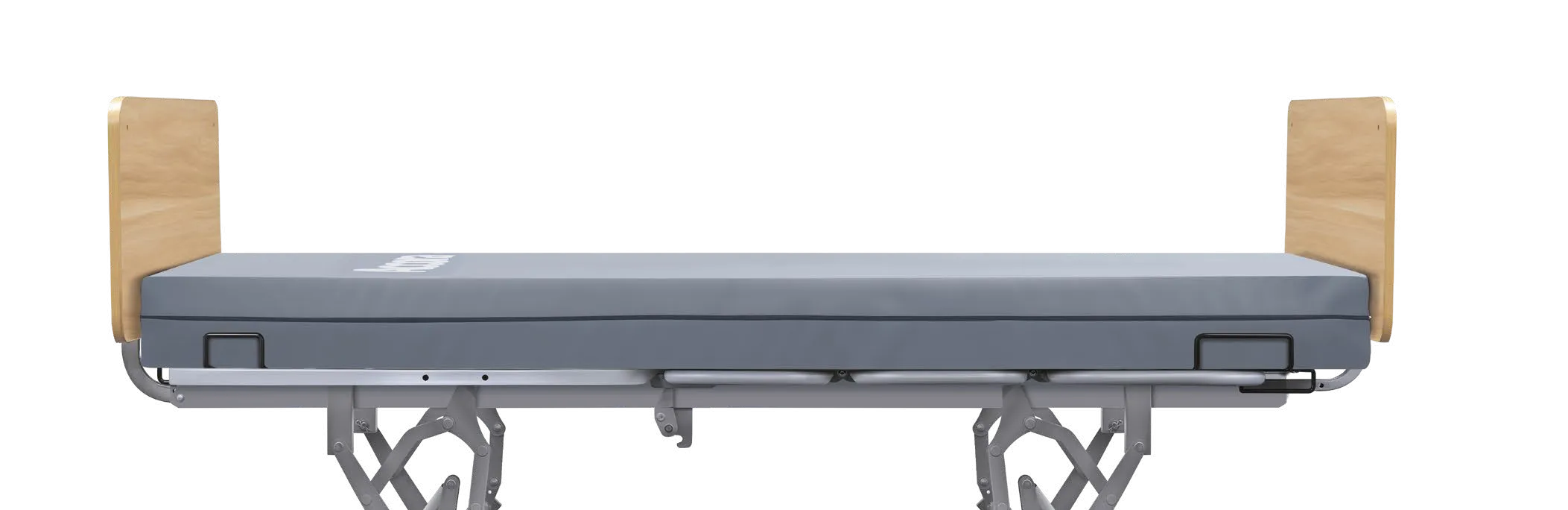
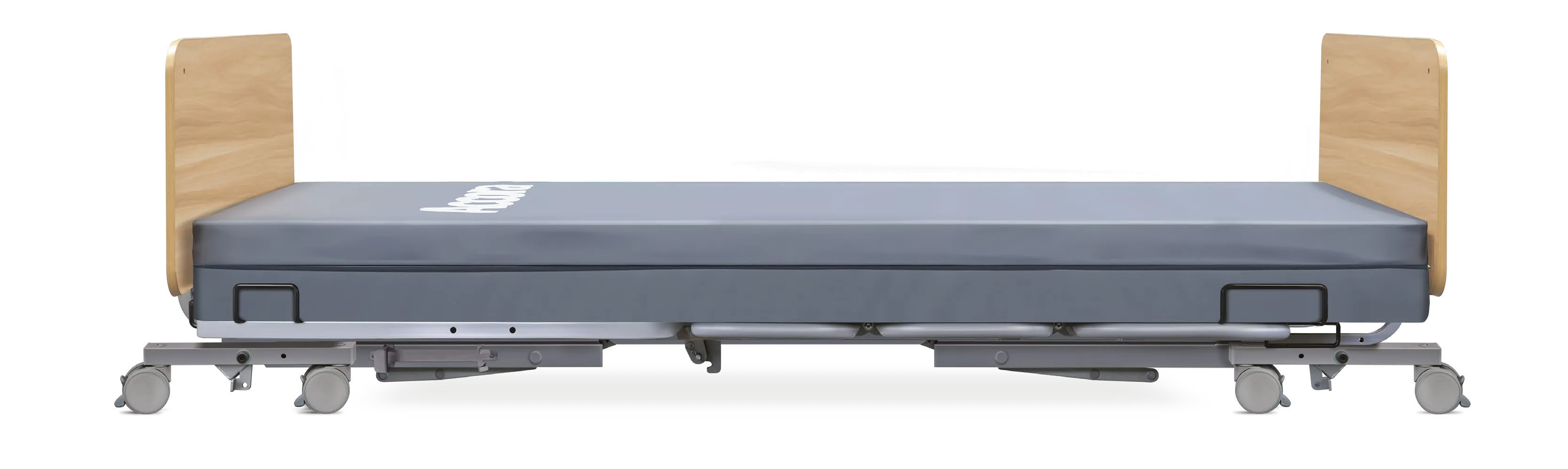
Ascenda is a riser-bed designed to facilitate effortless transfers from lying to standing, enabling individuals to maintain dignity and mobility at home while reducing care package requirements. Find out more about the Ascenda here.

View Monica's story with the Ascenda here, featured with the Society of Tissue Viability.

Conclusion 

Sleeping in a riser recliner armchair can be a practical, safe, and comfortable choice for many individuals.

By understanding why people do it, recognising the risks, and providing proactive support, healthcare professionals can help ensure that this choice contributes positively to comfort, independence, and overall well-being.

Book a FREE joint visit

We offer joint visits at your service user's home for the Accora product range. Our Product Specialists recommend the minimum specification to meet the clinical need of your service user and work up from that as directed from the prescriber.
Book here
Accora Team
FloorBed technology to help skilled nursing, rehabilitation and long-term care facilities prevent falls and fall-related injuries.

You might like

Meet the team

Meet the Team: On the road with our Service Technician

This week, we caught up with Jake, one of our dedicated Service Technicians- to hear about his first year at Accora, the miles he’s clocked up on the road, and why solving tricky technical problems is all part of the joy.

3 mins
July 4, 2025
Occupational Therapy

Occupational Therapists Week 2024: Insights from our experts

Discover the transformative role of occupational therapists and the profound impact they have on empowering independence and enhancing lives.

5 minutes
November 18, 2024
Occupational Therapy
Meet the team

Celebrating OT week: A day in the life of our Occupational Therapy team

As we celebrate Occupational Therapy Week, we’re shining a spotlight on the incredible work our Occupational Therapists (OTs) do every day.

2 mins
November 3, 2025
Occupational Therapy

How can posture contribute to safer swallowing? A multidisciplinary review

There can be numerous reasons for these challenges in swallowing including cognitive decline, difficulties with controlling the muscles in the mouth, or challenges with postural control that can affect the ability to self-feed and swallow safely. This article offers an overview of the challenges some individuals may face when swallowing, the associated risks, as well as practical interventions and insight into ideal posture and positioning for optimal safe swallowing.

10 minutes
Pressure care management

Pressure ulcer prevention and management

In this blog, we explore the critical factors contributing to pressure ulcer prevention and management in riser recliners and specialist seating systems. From assessing pressure risks related to mobility, sensation, weight and continence, to choosing the right pressure cushions and fabrics for optimal support and comfort.

5 min read
June 21, 2022
Pressure care management

Does skin tone matter in pressure ulcer care?

Heidi has been a Tissue Viability Nurse since 2002. Her interest and passion in the prevention and management of pressure ulcers began in 1987, on registering as a nurse. She has worked in both acute and community care, and is currently the part-time Tissue Viability Services Lead for Hertfordshire Community NHS Trust.

5 minutes
August 11, 2025
Specialist seating

Assessing for the correct chair size

In this blog, we stress the importance of choosing the right chair size for comfort and safety, offering practical guidance for assessment.

5 min read
September 5, 2022
Occupational Therapy
Profiling beds

Reducing fall risks in elderly care: The role of floor-level beds

We look into how floor-level beds can play a crucial role in reducing fall risks for the elderly, offering a safer and more comfortable sleeping environment.

5 min read
June 16, 2025
Meet the team

A cuppa with... our south east account manager

Real impact begins with real people- get to know the team behind Accora’s mission.

5 minutes
May 12, 2025
Profiling beds

What are the benefits of a FloorBed?

If you've ever wondered if a FloorBed is the right choice for you, a loved one or a service user, you're in precisely the right place to find out.

5 mins
September 6, 2023
Occupational Therapy

Safe by design: How Accora supports safer care every day

At Accora, safety isn’t just a design feature– it’s a mindset. From reducing fall injuries to supporting better posture and dignity, our solutions aim to protect patients, empower carers, and prevent harm. This year, we launched a 3-part campaign to celebrate the people, products, and practices making care safer. Here’s what we shared– and what we learned from our community.

3 mins
September 17, 2025
Pressure care management

Stop the Pressure week 2025: Tissue Viability Nurses Heidi and Sarah reflect on making every moment of care count

As Stop the Pressure Week 2025 continues, the Society of Tissue Viability invites us to pause and consider this year’s theme: “What matters to me is…”. It’s a call to re-centre care around the voices, values, and needs of the people that we support every day.

2 mins
November 20, 2025
Meet the team

Meet the Team: Brendon Warren on always going the extra mile

This month in our Meet the Team series, we’re introducing you to Brendon Warren, our Sales Support Co-ordinator. Brendon has been with Accora for over two years, bringing energy, dedication, and a can-do attitude to his role. Here’s a little insight into his work, his values, and what keeps him motivated.

3 mins
September 4, 2025
Postural management

Postural management

In this blog, we delve into the essential considerations when assessing and selecting the right seating system for individuals with postural challenges, addressing factors like physical limitations, transfer methods, sensory needs and cognitive capacity to achieve an ideal seated posture.

6 min read
September 6, 2022
Meet the team

Meet the Team: Sarah Thompson's mission to improve comfort and care

Sarah has been part of Accora for two and a half years, bringing deep clinical expertise, compassion, and an infectious enthusiasm for improving care outcomes. Here’s a little insight into her role, what drives her, and how she combines her professional and personal passions.

2 mins
October 24, 2025
Meet the team

Meet the Team: Des Kavanagh

Today we are shining a spotlight on our Ireland Country Manager, Des. He shares some insights into his role, what motivates him, and how Accora’s values shape the way he works.

2 mins
December 22, 2025
News

100 Promoters in a row!

Celebrate our success in achieving 100 NPS promoters in a row, and learn tips from our team on how you can achieve this too.

5 minutes
January 24, 2025
Postural management

What is 24-hour posture management and why it matters for OTs?

This article outlines the concept of 24-hour posture management and why it can be a valuable approach to Occupational Therapy which helps to support daily activities and occupations that improve the quality of life for their clients.

5 min read
December 5, 2023

Sign up to our Newsletter

Get the best content to your inbox