Across the UK, health and social care professionals are being asked to do more than ever before. They are supporting people with increasingly complex needs, navigating workforce shortages, and delivering care within systems under sustained financial pressure. Yet one expectation has remained constant: clinicians must continue to learn, adapt, and develop.
Education is not optional in this context. It is foundational to safe, effective, person-centred care. And yet, access to education is increasingly constrained by cost.
This raises a difficult but necessary question: what happens when learning becomes something clinicians have to justify financially, rather than something the system actively supports?
A system under pressure
The challenges facing the UK healthcare and social care sectors are well documented.
The NHS workforce shortage is significant, with the service struggling to recruit and retain sufficient staff to meet rising demand and deliver consistent quality of care. Estimates show that the number of staff needed could increase substantially without intervention, and workforce planning remains a core focus of national strategy.
Alongside NHS pressures, adult social care in England alone faces more than 130,000 vacancies, and projections suggest that up to an additional half-millioncare workers could be needed over the next decade to keep pace with population ageing and demand.
At the same time, the complexity of care has increased. People are living longer, often with multiple long-term conditions and complex rehabilitation needs. Interventions such as postural management and 24-hour care are no longer specialist niche topics; they are practical components of everyday clinical practice across many settings. Effective implementation of these interventions requires up-to-date knowledge, practical skill and ongoing refinement- all of which depend on access to high-quality education and professional development.
Evidence on interventions like 24-hour posture management suggests that while rigorous clinical trials are challenging in this space, expert consensus indicates such approaches are essential in reducing secondary complications and supporting function in people unable to reposition independently.
The hidden cost of paid education
Charging for education is often framed as a practical necessity. Conferences cost money to run. Training requires time and expertise. These realities are not in dispute.
What is less frequently examined is the impact of paid education models on who gets access to learning, and when.
When training carries a price tag, decisions about attendance are rarely based solely on clinical need. They become filtered through layers of approval, budget availability, and competing priorities. For many clinicians, particularly those working in community services or social care, professional development budgets are limited ornon-existent. Even modest fees can become a barrier.
The result is uneven access to education. Some clinicians attend, others do not. Some teams develop shared language and understanding, while others are left to learn in isolation. Over time, this contributes to variability in practice- not because of a lack of commitment or professionalism, but because access to learning has been restricted.
In a system already grappling within consistency and fragmentation, this is not a neutral outcome. Workforce shortages, combined with limited funded training opportunities, have been identified as risks to service quality and sustainability, suggesting that inconsistent access to learning plays into broader systemic weaknesses.
Education as infrastructure, not an add-on
There is a tendency to treat education as an enhancement rather than a necessity. Something valuable, but optional. Something that can be scaled back when budgets tighten.
In reality, education functions more like infrastructure. It underpins decision-making, supports safer practice, and enables clinicians to respond effectively to changing needs. When education is accessible, it strengthens the system as a whole. When it is restricted, the consequences are felt downstream in increased risk, inefficiency, and avoidable harm.
This is particularly true in areas such as postural management and 24-hour care, where decisions made during the day directly influence outcomes at night, and where poor positioning or inadequate support can lead to pressure injuries, discomfort and reduced quality of life. Interventions that combine clinical expertise with structured training- including posture advice and pressure monitoring- have been shown to impact care processes and outcomes when applied in community settings.
Education in these areas is not about theoretical knowledge. It is practical, applied, and immediately relevant to the people clinicians support.
The moral dimension
There is also a moral dimension to this discussion.
Healthcare and social care professionals are motivated by a commitment to improve lives. Asking them to personally absorb the cost of learning, or to repeatedly justify it within constrained systems, risks placing an unfair burden on individuals who are already giving a great deal.
It also sends an implicit message about what is valued. When education is freely available, it signals that learning is integral to good care. When it is monetised, it can begin to feel transactional, something to be weighed against other priorities rather than embraced as essential.
This matters not only for individual clinicians, but for the culture of care more broadly. Research consistently shows that workplace support- including access to ongoing development- contributes to job satisfaction, retention and professional confidence, all of which influence the stability and quality of care delivery.
A different approach
There are organisations across the sector who take a different view. Who see education as a shared responsibility rather than a revenue stream. Who invest in training, joint visits, and clinical collaboration without attaching conditions or costs.
This approach is not about altruism alone. It reflects a long-term perspective. Supporting clinicians to develop their skills leads to better outcomes, stronger partnerships, and more sustainable services. It recognises that the value of education is realised not at the point of delivery, but in the quality of care that follows.
Keeping education free also removes friction. Clinicians can engage based on need rather than budget. Teams can attend together, building shared understanding and consistent practice. Learning becomes embedded rather than episodic.
Looking ahead
The pressures facing health and social care in the UK are unlikely to ease in the near term. Demand will continue to rise. Resources will remain stretched. In this context, decisions about how education is delivered, funded, and prioritised matter more than ever.
Free education is not a luxury. It is a strategic choice about the kind of system we want to support. One where learning is accessible, collaboration is encouraged, and clinicians are equipped to deliver the best possible care across a full 24-hour period.
As conversations about sustainability and quality continue, it is worth asking not just how education is delivered, but who it is truly accessible to.
Because when education is accessible, care improves. And when care improves, everyone benefits.
Book a FREE joint visit
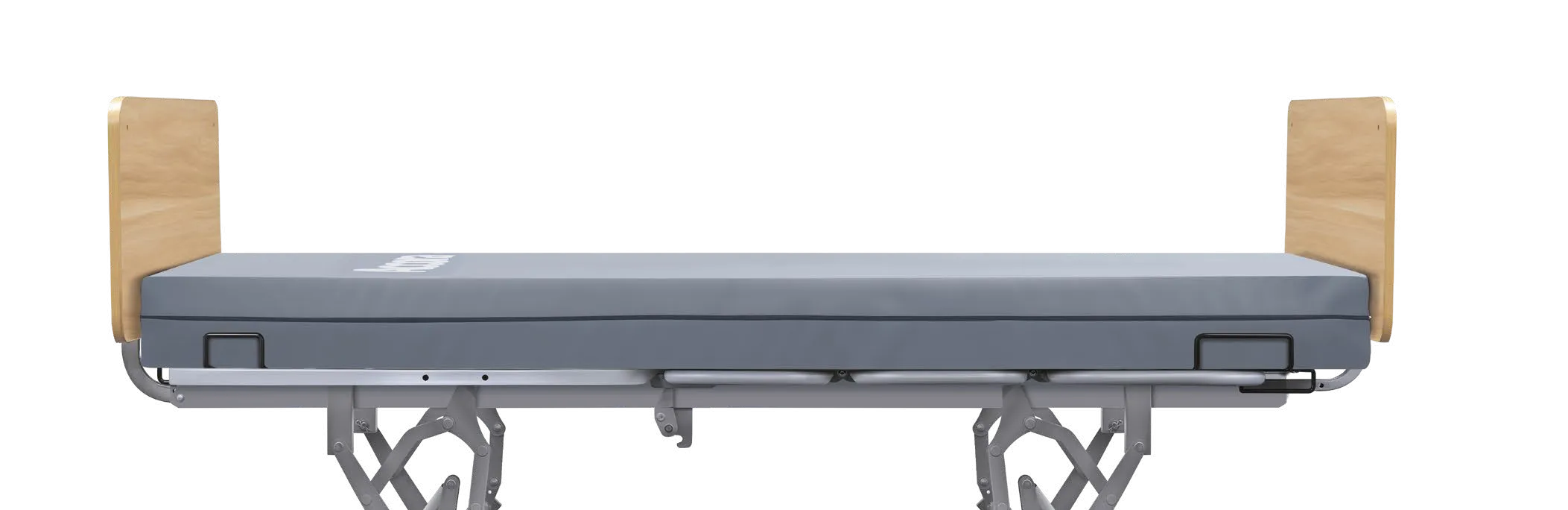
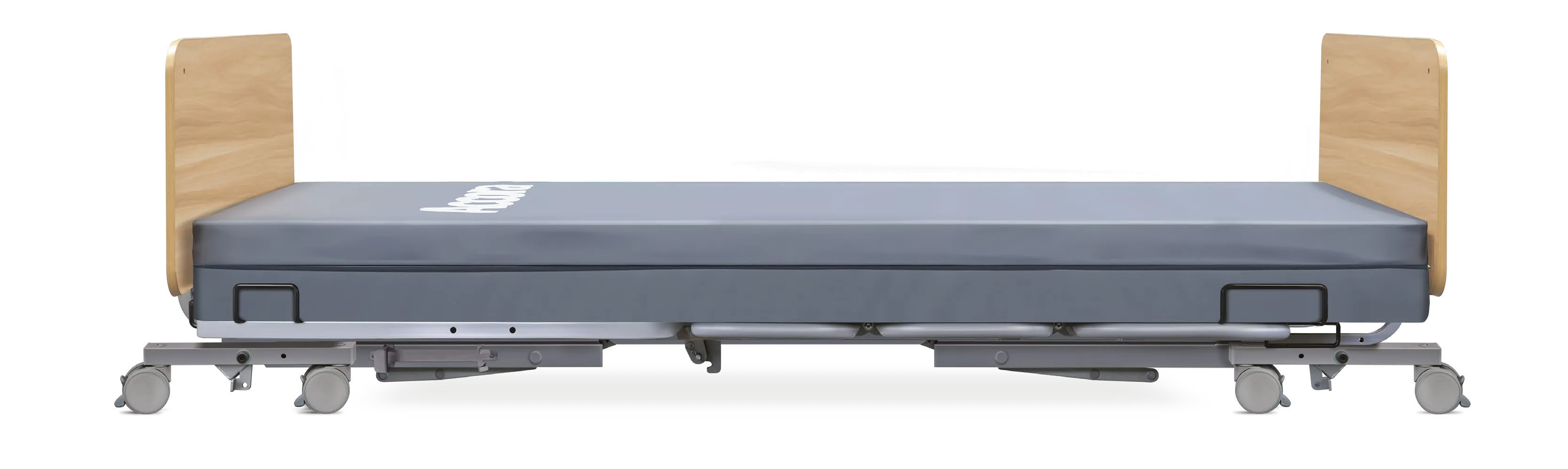
We offer joint visits at your service user's home for the Accora product range. Our Product Specialists recommend the minimum specification to meet the clinical need of your service user and work up from that as directed from the prescriber.







.png)

.jpg)




.jpg)