


When a patient presents with swollen legs (oedema), they aren't just carrying extra fluid; they are carrying a heavy burden that threatens their independence and potentially the viability of their skin in terms of leg ulceration and potential pressure damage. If left unmanaged, a "simple" case of swelling can trigger a downward spiral that could end in a total loss of mobility- a state clinicians often call being “off-legs.”
The domino effect: how swelling steals mobility
It can start with a feeling of heaviness. As fluid accumulates in the lower limbs, the physical effort required to walk increases. This leads to a dangerous chain reaction:
- Reduced muscle tone: to avoid the discomfort of heavy legs, patients move less. Clinical data shows that even short periods of inactivity can cause a 40% loss of leg muscle strength. This weakens the "calf muscle pump," the body’s second heart, making it even harder to push fluid back up to the chest.
- The motivation gap: chronic pain and the inability to fit into shoes can lead to "kinesiophobia"-the fear of movement. When walking hurts, the motivation to stay active vanishes.
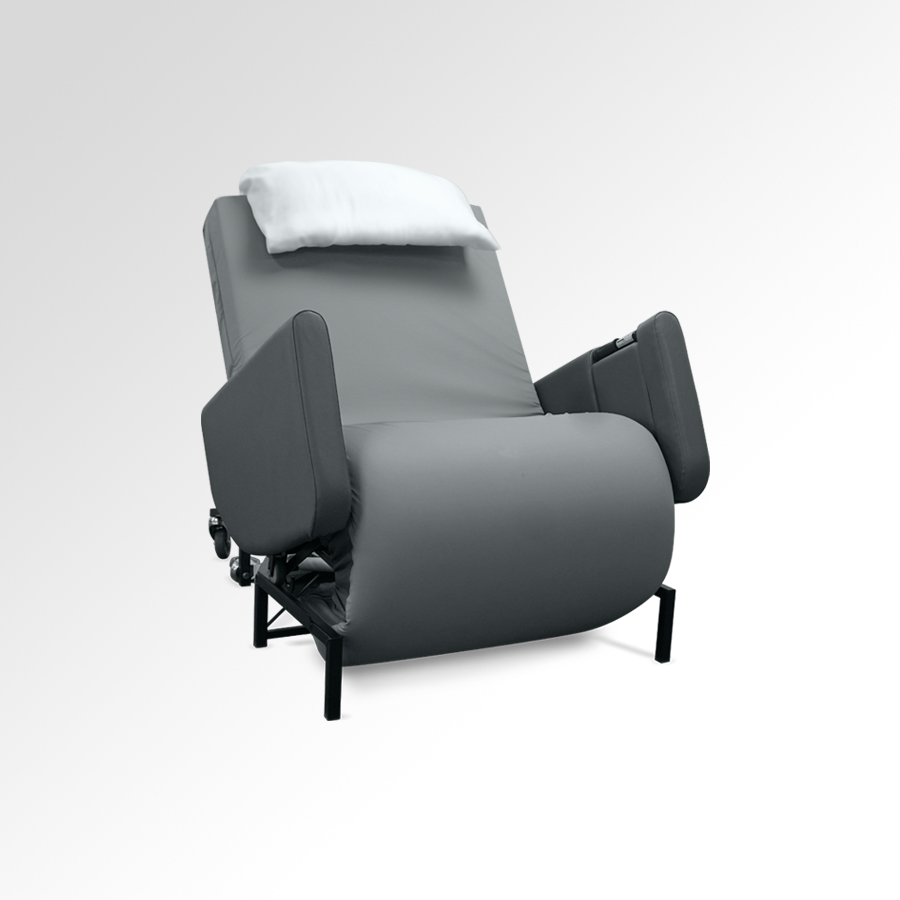
- The sleep & recliner trap: at night, fluid redistribution can cause discomfort or breathlessness when lying flat. Many patients seek relief by sleeping in their riser-recliner chairs.
(Wall et al 2013, Dirks et al 2016, Eberhardt et al 2014)
The danger of sleeping in the riser-recliner
While these chairs offer immediate comfort, they can be a "trap" for lower limb health.
- Joint stiffness and muscle contractures from prolonged fixed postures: prevents natural body movement, causing hip, knee, and calf stiffness, muscle tightness, and potential posture problems or worsening back pain.
- Pressure ulcers: the seated position puts more pressure on the lower back, buttocks, and heels, making repositioning difficult and raising the risk of skin breakdown.
- Poor sleep quality: Lack of spinal alignment and unnatural, semi-seated position restricts movement, can lead to less restorative sleep, increasing daytime fatigue.
(Browse et al 2015, Clavet et al. 2008)
Stability and the "off-legs" crisis
Healthy lower limbs provide the ankle strength and flexibility needed for balance. When deconditioning sets in, stability disappears. A minor event- a small skin tear or a bout of cellulitis- can be the final straw. Because the patient’s muscle tone is already depleted, they can lose the ability to stand entirely.
(Spink et al 2011, Cruz-Jentoft et al 2019)
How we can help break the cycle
Prevention is the most powerful tool we have. By intervening early, we can stop the spiral before it becomes permanent.
- The two-week rule: any leg wound or significant swelling that hasn't improved in 14 days needs a full vascular assessment (ABPI/TBPI).
- Move, moisturise, and monitor: encourage daily "ankle pump exercises" even when seated, keep skin hydrated to prevent infection, and monitor for changes in leg shape and size.
- Smart compression: using modern, adjustable compression wraps can help patients manage their own swelling, giving them back the comfort needed to start moving again.
NICE 2023, Harding 2015, Wounds 2023)
The bottom line
Lower limb health is the foundation of a person's freedom. By recognising the "swell effect" early, we aren't just treating a symptom- we are saving a patient's ability to walk, sleep, and live independently.
For more information watch Sarah's latest webinar, Swollen legs, stolen lives: how oedema steals mobility and independence here.

Book a FREE joint visit
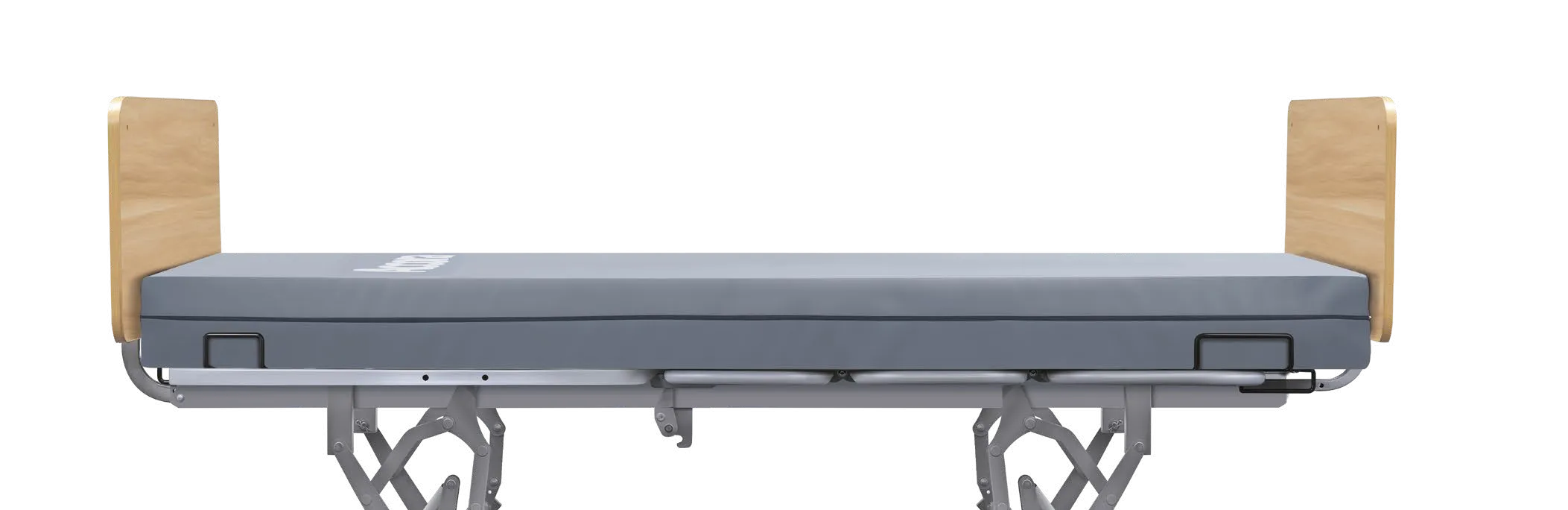
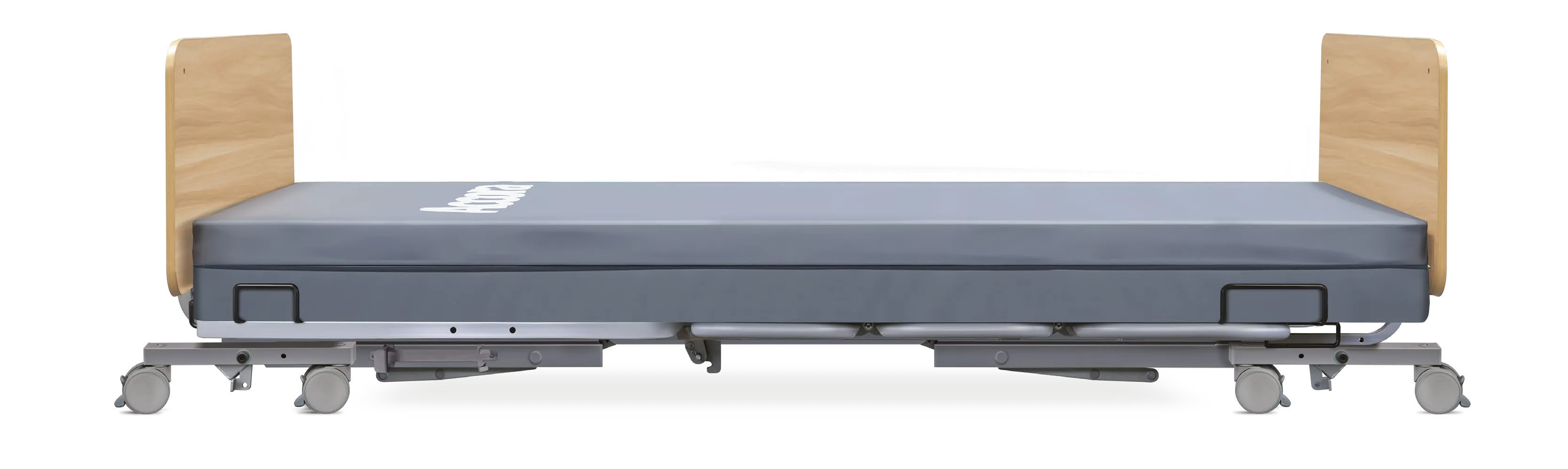
We offer joint visits at your service user's home for the Accora product range. Our Product Specialists recommend the minimum specification for your service user and work up from that from that as directed from the prescriber.
- Wall BT, Dirks ML, van Loon LJC. Skeletal muscle atrophy duringshort-term disuse: Implications for age-related sarcopenia. Ageing Res Rev.2013;12(4):898–906.
- Dirks ML, Wall BT, van de Valk B, et al. One week of bed rest leads tosubstantial muscle atrophy and strength loss in older adults. J ApplPhysiol. 2016;121(4):1066–1075.
- Eberhardt RT, Raffetto JD. Chronic venous insufficiency. Circulation.2014;130(4):333–346.
- Browse NL, Burnand KG, Mortimer PS, Thomas ML. Diseasesof the veins: Pathology, diagnosis and treatment. 3rd ed. CRC Press; 2015.
- Clavet H, Hébert PC, Fergusson D, et al. Jointcontracture following prolonged immobility. CMAJ. 2008;178(6):691–697.
- National Institute for Health and CareExcellence (NICE). (2023). Leg ulceration: Diagnosis and Management (NG152). https://www.nice.org.uk/guidance/ng152
- Harding, K., et al. (2015). Simplifying venousleg ulcer management. Consensus document, Wounds International.
- Wounds UK. (2023). Best practice statement:Compression hosiery and adjustable wraps. London: Wounds UK.
- Spink MJ, Fotoohabadi MR, Menz HB. Foot andankle strength, range of motion, posture, and deformity are associated withbalance and functional ability in older adults. Arch Phys Med Rehabil.2011;92(1):68–75.
- Cruz-Jentoft AJ, Bahat G, Bauer J, et al.Sarcopenia: revised European consensus on definition and diagnosis. AgeAgeing. 2019;48(1):16–31.












.jpg)




.png)
.jpg)
