By clicking “Accept All Cookies”, you agree to the storing of cookies on your device to enhance site navigation, analyze site usage, and assist in our marketing efforts. View our Privacy Policy for more information.
Occupational Therapy

Rethinking falls prevention: giving people the confidence to keep moving

Key insights from our Accora Academy webinar on rethinking falls prevention, from evidence-based interventions to community-level change.
Subscribe to our newsletter
Share

Falls are one of those topics that gets covered again and again in health and social care- and for good reason. They're a genuine global problem, and the numbers behind them are hard to ignore. But in our recent Accora Academy webinar, host Nicky Phillips, one of our clinical specialist Occupational Therapists, took a different angle. Rather than adding to the list of warnings about what people shouldn't do, she reframed falls prevention around what people can do to keep moving safely1.

Read on for the key insights from the session, and some practical takeaways you can bring straight into practice.

Just how big a problem are falls?

According to the World Health Organization, falls are a genuine global health issue, not something that only affects older adults, although they remain most at risk. The scale is striking:

  • 684,000 fatal falls occur every year2
  • 37.3 million falls require medical attention2
  • Falls are responsible for 38 million DALYs (disability-adjusted life years)- a measure of healthy life lost to death or disability2
  • Globally, men are most likely to die from a fall, while older women and younger children are especially prone to falling2

With an ageing population, urbanisation, more sedentary lifestyles, and unequal access to healthcare all playing a part, this is a problem that's likely to grow rather than shrink.

What do the guidelines actually say?

Much of the session was grounded in the World Falls Guidelines (2022), developed by over 90 international experts from 39 countries and published in the Age and Ageing journal, led by the World Falls Task Force3.

The clinical recommendations won't surprise most OTs, but they're a helpful checkpoint:

  • Multifactorial assessments- never look at one risk factor in isolation
  • Individualised interventions- there's no one-size-fits-all solution
  • Medical evaluation for balance and gait
  • Medication review, since being on four or more medications increases fall risk
  • Vision correction- interestingly, photochromic lenses and bifocals can sometimes increase risk due to the time it takes eyes to adjust
  • Environmental safety modifications

Proactive and reactive: two sides of the same approach

Nicky highlighted that falls prevention isn't only about stopping falls before they happen. It's also about being prepared for when they do.

Having a fall action plan matters. This can be as simple as:

  • Keeping emergency contact numbers visible
  • Having your address clearly written down somewhere accessible
  • Carrying a mobile phone or wearing a pendant alarm, so help is a single button press away

If someone can't get up after a fall, the advice is to seek help, keep warm, and avoid panicking or exhausting themselves trying to get up unaided. Learning safe techniques for getting up off the floor (with support from a carer, using a nearby chair for leverage) can also reduce the fear of falling, which in itself is a known risk factor.4

Where do falls happen, and what can reduce the risk?

The most common locations for falls are the bathroom, the stairs, and around furniture, including getting in and out of beds and chairs. The good news is that many of the highest-impact changes are simple:

  • Bed and grab rails, better lighting, and clutter-free walkways in bedrooms
  • Handrails, improved lighting, and anti-skid strips on stairs
  • Grab bars, shower seats, and non-slip mats in bathrooms5

A validated self-assessment tool developed by Finding Balance Alberta gives people a simple way to check their own risk, scoring items like unsteadiness while walking, needing to push up from a chair with their hands, or previous falls. A score of four or more indicates high risk- and because the tool is framed without blame, people tend to be more honest about their answers, which means risks are more likely to be identified and addressed early.6

Getting equipment right: beds and chairs

Because we use them daily, beds and chairs are two of the most common places for falls to happen- which makes getting them right one of the simplest, highest-impact interventions available.

The principle is the same for both: fit the equipment to the person, not the person to the equipment.

  • A bed or chair that's too low makes standing up harder work
  • One that's too high can leave someone unsteady when getting up
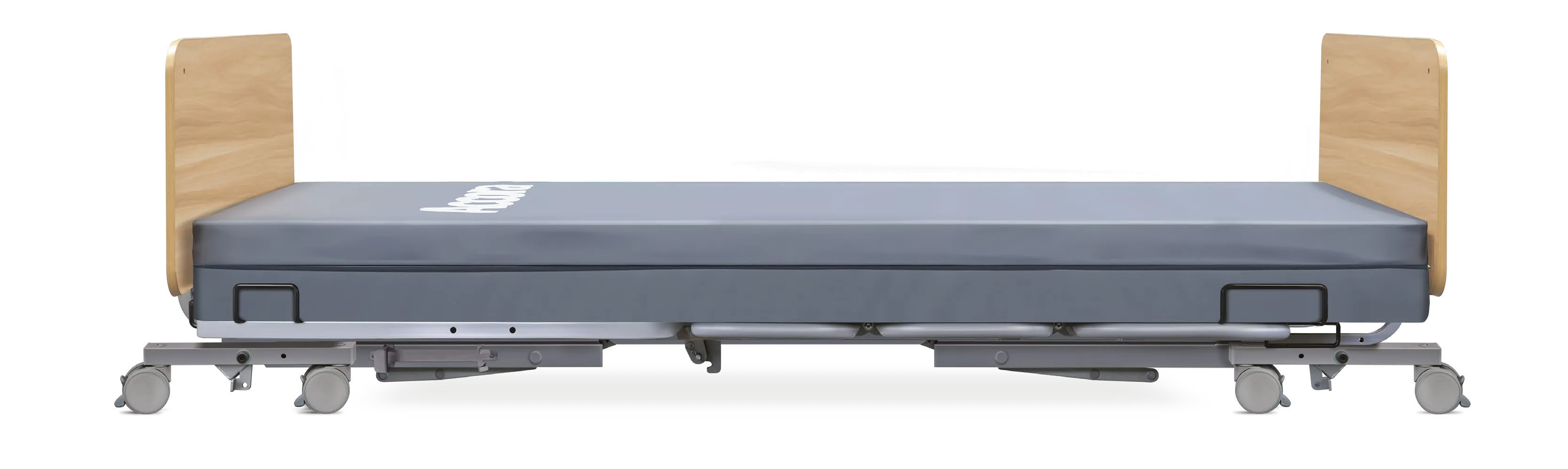
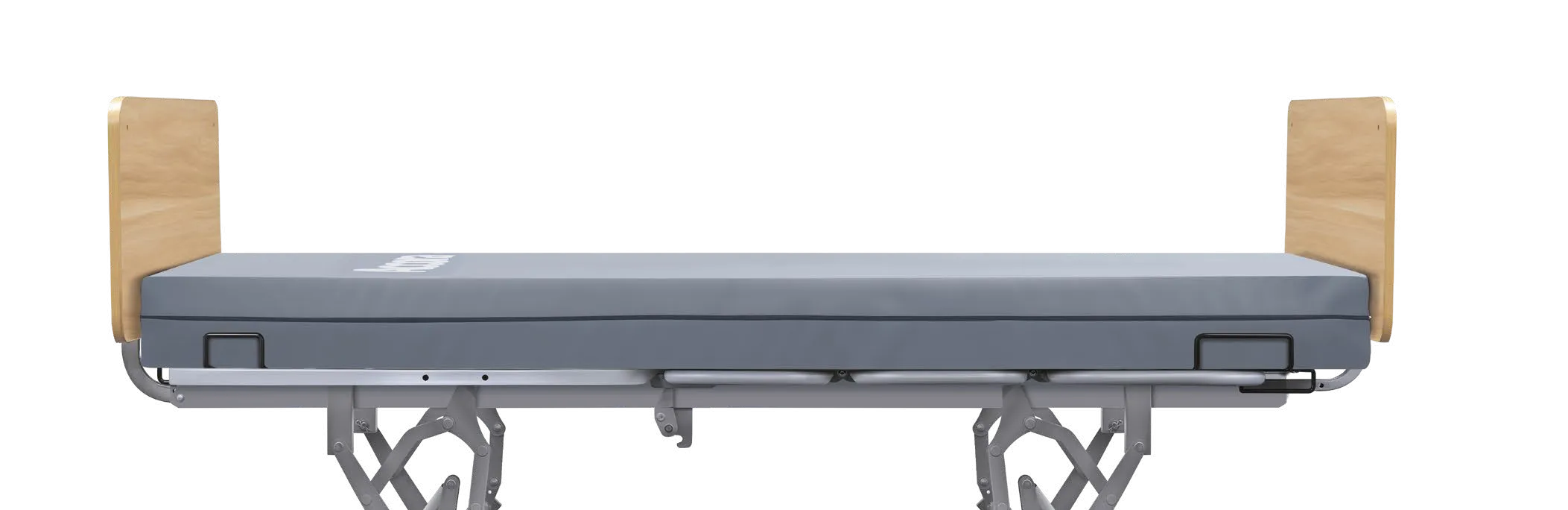
  • For some people at higher risk of falling at night, lowering the bed towards the floor changes a fall into more of a roll
  • A bed lever can support the lying-to-sitting transfer without the twisting movement that often leads to a fall

Further reading: Reducing fall risks in elderly care: The role of floor-level beds

Exercise and lifestyle interventions that actually work

Evidence-based interventions covered in the session included:

  • Gait, balance, and functional training
  • Tai Chi, which has a strong evidence base for improving balance
  • Home assessments and modifications
  • Medication review
  • Vitamin D, eyesight, and nutrition checks

The Otago exercise programme was highlighted specifically, showing a 30-35% reduction in falls among people with a history of falling, when the exercises are done consistently. As Nicky pointed out, consistency is often the hardest part; without a clear prompt or routine, it's easy for people to let exercises slip.

Footwear matters more than people expect. Look for a high heel collar, a firm midsole, and a textured sole for grip- and be cautious of very thin-soled shoes or slippers, which reduce the feedback people get from the ground beneath them.

It's a community responsibility too

The World Health Organization frames falls prevention around three pillars: safer people, safer environments, and safer policies. This plays out at different levels, from small everyday habits to wider system change:

  • Everyday awareness matters more than people realise. Something as small as parking a car half over a kerb can block a pavement, making the space far harder to navigate for someone using a walking frame or wheelchair. Being mindful of how our own actions affect accessibility for others is a simple, practical starting point.
  • At a service level, adequate staff-to-resident ratios in care facilities make a difference, since rigid routines tied to shift changes can affect how much residents are able to move throughout the day.
  • At a policy level, councils and local authorities can adjust environmental controls to reflect the people actually using a space, such as extending pedestrian crossing timings in areas with older populations who may need more time to cross safely.
  • Underpinning all of this is universal design, the principle of designing spaces that work for everyone from the outset, rather than retrofitting for accessibility later.

Technology as an enabler, not a replacement

From GPS watches with fall detection to AI monitoring systems, motion sensors, gait analysis tools, and even online falls prevention classes, technology has a genuine role to play in keeping people safe and independent, particularly for those who can't easily attend in-person sessions.7

The "Stepping On" mentality

Nicky closed with a nod to the Stepping On falls prevention programme, and the mindset behind it: promote movement, don't limit it, and don't over-prescribe.8 It's a fitting summary of the whole session. Falls prevention isn't about restricting people's lives out of caution. It's about giving them the confidence, the right equipment, and the right environment to keep doing the things they want to do, safely.

Nicky Phillips
Clinical Specialist Occupational Therapist
Nicky Phillips

Rethinking Falls Prevention

Watch the webinar on demand. Rethinking falls prevention: Balancing risk, independence, and person-centered care

Watch on demand
  1. Phillips, N. (2026). Rethinking falls prevention [Webinar]. Accora Academy.
  2. World Health Organization. (n.d.). Falls [Fact sheet]. Retrieved from https://www.who.int/news-room/fact-sheets/detail/falls
  3. World Falls Task Force. (2022). World Falls Guidelines. Age and Ageing. Retrieved from https://worldfallsguidelines.com/
  4. Western Health / Finding Balance Newfoundland and Labrador. Injury prevention: Finding balance. Retrieved from https://westernhealth.nl.ca/home/health-topics-main/injury-prevention/finding-balance/
  5. Parachute. (2026). The caregivers' guide to fall prevention. Parachute.
  6. Finding Balance Alberta, Injury Prevention Centre and University of Alberta. Fall risk self-assessment checklist, adapted from Rubenstein, L. Z., Vivrette, R., Harker, J. O., Stevens, J. A., & Kramer, B. J. (2011). Validating an evidence-based, self-rated fall risk questionnaire (FRQ) for older adults. Journal of Safety Research, 42(6), 493-499.
  7. University Health Network, Toronto Rehab. TIME programme. Retrieved from https://www.uhn.ca/TorontoRehab/TIME
  8. SäkerSenior. Stepping On. Retrieved from https://www.sakersenior.se/sakersenior/extern/stepping-on.htm
Accora Team
FloorBed technology to help skilled nursing, rehabilitation and long-term care facilities prevent falls and fall-related injuries.

You might like

Profiling beds
Occupational Therapy
Pressure care management
Postural management

Understanding why patients choose riser recliners for sleep

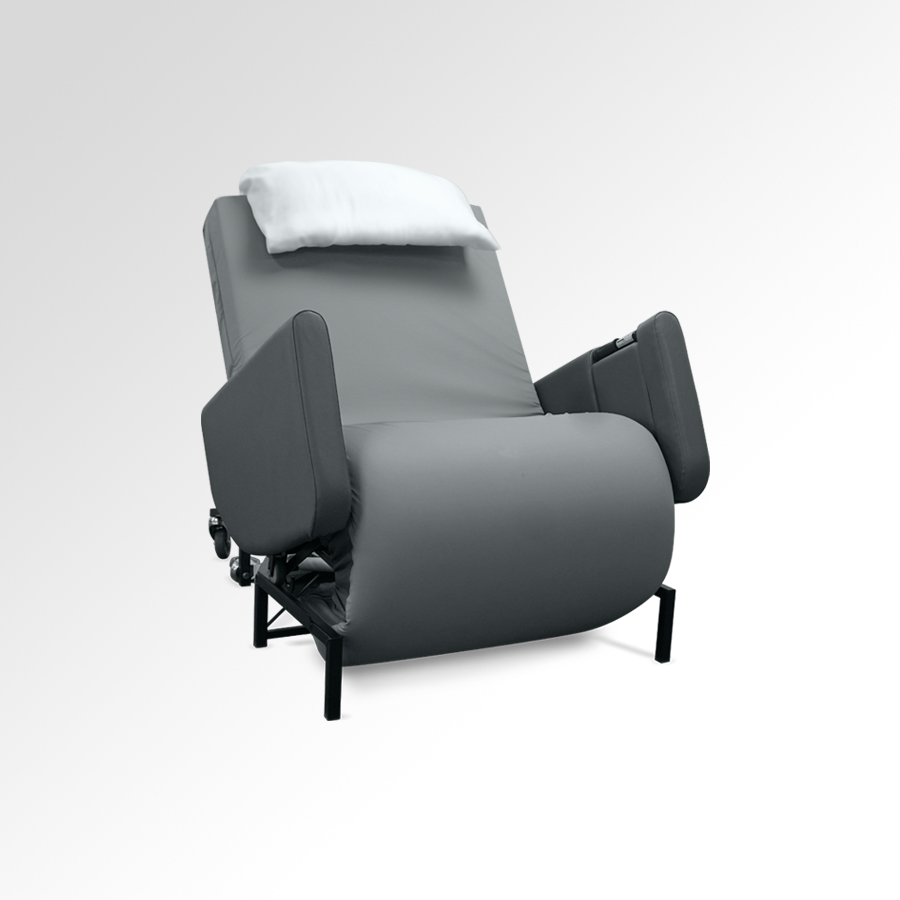
For many people, a riser recliner armchair is more than just a comfortable seat- it becomes a place to rest and sleep. In this blog, we look at why people choose to sleep in these chairs and the alternative options to support patients' safety.

3 mins
January 13, 2026
Meet the team

Meet the team: Diana Coogan

Today we are shining a spotlight on our Ireland Customer Care Manager, Diana. She shares some insights into her role, what motivates her, and how Accora’s values shape the way she works.

2 mins
April 27, 2026
Meet the team

A cuppa with... our south east account manager

Real impact begins with real people- get to know the team behind Accora’s mission.

5 minutes
May 12, 2025
Occupational Therapy

How can posture contribute to safer swallowing? A multidisciplinary review

There can be numerous reasons for these challenges in swallowing including cognitive decline, difficulties with controlling the muscles in the mouth, or challenges with postural control that can affect the ability to self-feed and swallow safely. This article offers an overview of the challenges some individuals may face when swallowing, the associated risks, as well as practical interventions and insight into ideal posture and positioning for optimal safe swallowing.

10 minutes
Pressure care management

Pressure ulcer prevention and management

In this blog, we explore the critical factors contributing to pressure ulcer prevention and management in riser recliners and specialist seating systems. From assessing pressure risks related to mobility, sensation, weight and continence, to choosing the right pressure cushions and fabrics for optimal support and comfort.

5 min read
June 21, 2022
Occupational Therapy

Occupational Therapists Week 2024: Insights from our experts

Discover the transformative role of occupational therapists and the profound impact they have on empowering independence and enhancing lives.

5 minutes
November 18, 2024
Healthcare education

Why education in health and social care must remain free

Across the UK, health and social care professionals are being asked to do more than ever before. They are supporting people with increasingly complex needs, navigating workforce shortages, and delivering care within systems under sustained financial pressure. Yet one expectation has remained constant: clinicians must continue to learn, adapt, and develop.

3 mins
Meet the team

Meet the Team: Brendon Warren on always going the extra mile

This month in our Meet the Team series, we’re introducing you to Brendon Warren, our Sales Support Co-ordinator. Brendon has been with Accora for over two years, bringing energy, dedication, and a can-do attitude to his role. Here’s a little insight into his work, his values, and what keeps him motivated.

3 mins
September 4, 2025
No items found.

Clinical reasoning in Allied Health: making our thinking visible with Jenny Rolfe

Clinical reasoning sits at the core of safe and effective healthcare practice. For Occupational Therapists (OTs) and other Allied Health Professionals (AHPs), it underpins everyday clinical decisions- from assessment and intervention planning to risk management and person-centred care.

2 mins
April 20, 2026
News

Accora and RCOT Partnership

Read more about the news of our new partnership with the Royal College of Occupational Therapists

5 mins
June 3, 2026
Postural management

Postural management

In this blog, we delve into the essential considerations when assessing and selecting the right seating system for individuals with postural challenges, addressing factors like physical limitations, transfer methods, sensory needs and cognitive capacity to achieve an ideal seated posture.

6 min read
September 6, 2022
Pressure care management

The swell effect: Starting with legs for patients sleeping in a riser recliner

When a patient presents with swollen legs (oedema), they aren't just carrying extra fluid; they are carrying a heavy burden that threatens their independence and potentially the viability of their skin in terms of leg ulceration and potential pressure damage. If left unmanaged, a "simple" case of swelling can trigger a downward spiral that could end in a total loss of mobility- a state clinicians often call being “off-legs.”

2 mins
March 24, 2026
Meet the team

Meet the Team: Des Kavanagh

Today we are shining a spotlight on our Ireland Country Manager, Des. He shares some insights into his role, what motivates him, and how Accora’s values shape the way he works.

2 mins
December 22, 2025
Specialist seating

Assessing for the correct chair size

In this blog, we stress the importance of choosing the right chair size for comfort and safety, offering practical guidance for assessment.

5 min read
September 5, 2022
Pressure care management

Does skin tone matter in pressure ulcer care?

Heidi has been a Tissue Viability Nurse since 2002. Her interest and passion in the prevention and management of pressure ulcers began in 1987, on registering as a nurse. She has worked in both acute and community care, and is currently the part-time Tissue Viability Services Lead for Hertfordshire Community NHS Trust.

5 minutes
August 11, 2025
Meet the team

Meet the Team: Sarah Thompson's mission to improve comfort and care

Sarah has been part of Accora for two and a half years, bringing deep clinical expertise, compassion, and an infectious enthusiasm for improving care outcomes. Here’s a little insight into her role, what drives her, and how she combines her professional and personal passions.

2 mins
October 24, 2025
No items found.

What does person-centred care mean to you?

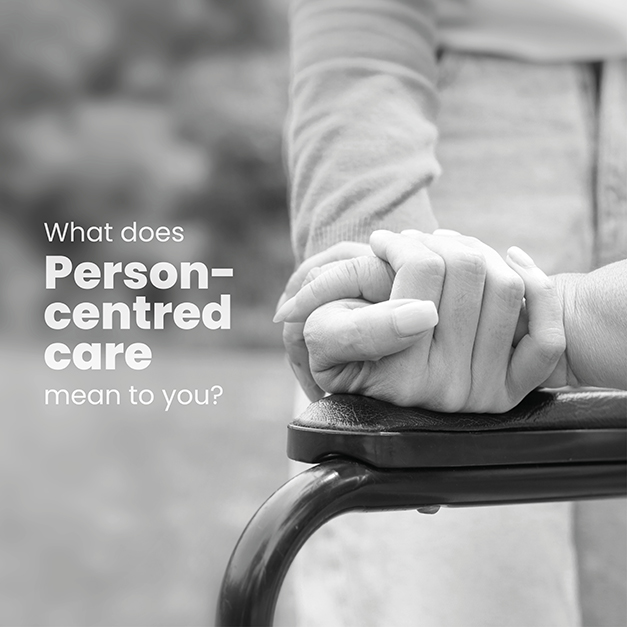
Person-centred care is one of those phrases that everyone in health and social care uses, and almost no one defines the same way. It appears in policy documents, training materials, care plans, and inspection reports- yet ask ten clinicians what it means in practice, and you'll get ten different answers. So at our recent 24-Hour Care Conference in Watford, we decided to do exactly that. We handed out a card with one prompt: 'Person-centred care is…'

3 mins
May 21, 2026
News

100 Promoters in a row!

Celebrate our success in achieving 100 NPS promoters in a row, and learn tips from our team on how you can achieve this too.

5 minutes
January 24, 2025
Postural management

What is 24-hour posture management and why it matters for OTs?

This article outlines the concept of 24-hour posture management and why it can be a valuable approach to Occupational Therapy which helps to support daily activities and occupations that improve the quality of life for their clients.

5 min read
December 5, 2023
Meet the team

Meet the team: Gary Dooley

Meet our Sales Manager: three years in, leading teams across Ireland and proving that no two days at Accora are ever the same.

2 mins
May 25, 2026
Profiling beds

What are the benefits of a FloorBed?

If you've ever wondered if a FloorBed is the right choice for you, a loved one or a service user, you're in precisely the right place to find out.

5 mins
September 6, 2023
Occupational Therapy
Healthcare education

From sitting to doing: why sitting tolerance must link to meaningful goals

Let’s be honest- no one wakes up thinking: 'today, I’m really going to work on my sitting tolerance.'‍ And yet… in our world, it quietly becomes one of the most important things we assess.

2 mins
June 16, 2026
Pressure care management

Stop the Pressure week 2025: Tissue Viability Nurses Heidi and Sarah reflect on making every moment of care count

As Stop the Pressure Week 2025 continues, the Society of Tissue Viability invites us to pause and consider this year’s theme: “What matters to me is…”. It’s a call to re-centre care around the voices, values, and needs of the people that we support every day.

2 mins
November 20, 2025
Meet the team

Meet the Team: On the road with our Service Technician

This week, we caught up with Jake, one of our dedicated Service Technicians- to hear about his first year at Accora, the miles he’s clocked up on the road, and why solving tricky technical problems is all part of the joy.

3 mins
July 4, 2025
Meet the team

Meet the team: Richard ‘Richie’ Broaders

Meet our IE Operations Manager: Richie Broaders

2 mins
July 6, 2026
Occupational Therapy
Profiling beds

Reducing fall risks in elderly care: The role of floor-level beds

We look into how floor-level beds can play a crucial role in reducing fall risks for the elderly, offering a safer and more comfortable sleeping environment.

5 min read
June 16, 2025
Occupational Therapy
Meet the team

Celebrating OT week: A day in the life of our Occupational Therapy team

As we celebrate Occupational Therapy Week, we’re shining a spotlight on the incredible work our Occupational Therapists (OTs) do every day.

2 mins
November 3, 2025
Occupational Therapy

Safe by design: How Accora supports safer care every day

At Accora, safety isn’t just a design feature– it’s a mindset. From reducing fall injuries to supporting better posture and dignity, our solutions aim to protect patients, empower carers, and prevent harm. This year, we launched a 3-part campaign to celebrate the people, products, and practices making care safer. Here’s what we shared– and what we learned from our community.

3 mins
September 17, 2025
Profiling beds
Occupational Therapy

Safe sleep: the Ascenda story

Great products don’t start with technology; they start with people. One of the most common problems occupational therapists face is a client who sleeps in their riser recliner. Typically due to ‘comfort’ or inability to transfer to a bed, this leads to numerous complications in posture, pressure, and in some cases can lead to Lymphedema. Critically, as a result of this, clients face the most challenging complication of all - the absence of independence and dignity.

3 mins
March 2, 2026

Sign up to our Newsletter

Get the best content to your inbox