What does person-centred care mean to you?
Person-centred care is one of those phrases that everyone in health and social care uses, and almost no one defines the same way. It appears in policy documents, training materials, care plans, and inspection reports- yet ask ten clinicians what it means in practice, and you'll get ten different answers.
So at our recent 24-Hour Care Conference in Watford, we decided to do exactly that. We handed out a card with one prompt:
'Person-centred care is…'
And we asked attendees- Occupational Therapists, nurses, carers, prescribers, managers- to finish the sentence in their own words. No definitions, no prompts, no leading. Just whatever the phrase honestly meant to them.
What came back was a quiet, varied, deeply thoughtful picture of what good care really looks like.
Listening came up more than anything else
For a sector built around interventions, this was quietly telling. Again and again, attendees described person-centred care not as something you do, but as something you notice.
"Active listening and resultant action/ interventions that reflect this for service users. They matter first."
"Listening to the person, observing and providing interventions to meet what is important to them."
"Person-centred care is listening to what the patients actually want regarding their care."
"Connecting with the patient before care."
The first act of person-centred care, in the words of the people delivering it, is not doing something. It is paying attention- and then letting that attention shape what comes next. "Active listening and actions," as one attendee put it. The listening and the doing are inseparable.
Following the person's pace, not the system's
One response stayed with us:
"You follow the individual's pace, not the service timetable."
Rotas, handovers, visit windows, equipment delivery slots- care systems are built around time. But the people doing the work were clear that person-centred care means letting the person, not the timetable, set the speed. Several others echoed the theme: care that adapts to the individual, "not one size fits all," "specific for that person's needs," delivered with dignity and "maximised independence" in a "calm environment, delivered by one carer where appropriate."
It is a small reframing with significant implications. It means care that flexes around the person, even when the system would find it easier the other way around.
Seeing through their eyes
A surprising number of responses came back to perspective- the discipline of stepping into the other person's experience before deciding what's needed.
"Putting yourself in their shoes, seeing how they see things."
"Looking through their eyes, not just assuming."
"Thinking about how we can be the tool to support clients achieving their potential."
That last one is particularly striking- the idea that the clinician is the tool, supporting the person to live their life, rather than the other way around. It quietly inverts the usual relationship between professional and patient, and lands somewhere closer to partnership.
The whole 24 hours, not just the appointment
Several attendees described person-centred care as something that has to hold up across the full day- not just the moments when a clinician is in the room.
"Really considers whole person holistic needs for equipment, activity, roles, what they care about over life and during the 24-hour day."
"Person-centred care is to look holistically at person needs and comfort."
One Occupational Therapist captured it especially well:
"Placing the individual's unique goals, values and preferences, and enabling engagement in meaningful occupations rather than just treating a condition."
Not a moment of care. A continuum of it.
And, simply: "It's all about me"
The shortest response cut closest to the heart of it:
"It's all about me!"
Two others echoed the same feeling:
"Being valued."
"They matter first."
Person-centred care, stripped right back, is care that recognises the person at the centre of it as a someone- not a someone-being-cared-for. A whole person, with a life, preferences, a pace, and a perspective of their own.
Why this matters
There is no single definition of person-centred care in any of these responses, and we think that is the point. It is not a checklist or a framework. It is a stance- a way of seeing the person in front of you. It looks different in an OT assessment than it does in an overnight care visit, and different again on a hospital ward.
But the thread running through every answer was the same: person-centred care begins with paying attention to the person, on their terms, at their pace, across their whole day. Everything else- the equipment, the interventions, the plans- flows from there.
Thank you to everyone who stopped to write something down. These cards may look like a small thing, but together they make a quietly powerful argument for what good care really looks like.
Continuing the conversation
If these responses resonate with you, we'd love to have you join the next part of the conversation.
On Thursday 19th June at 12:00 PM, we're hosting a free webinar: 24-Hour care: the person-centred approach- bringing together Occupational Therapists, a Tissue Viability Nurse, and clinicians from across our team to explore what person-centred care looks like in practice across a full 24-hour day.
It's an open, multidisciplinary discussion, designed for anyone working in health and social care who wants to take this thinking further- and bring something practical back into their own setting.

Book a FREE joint visit
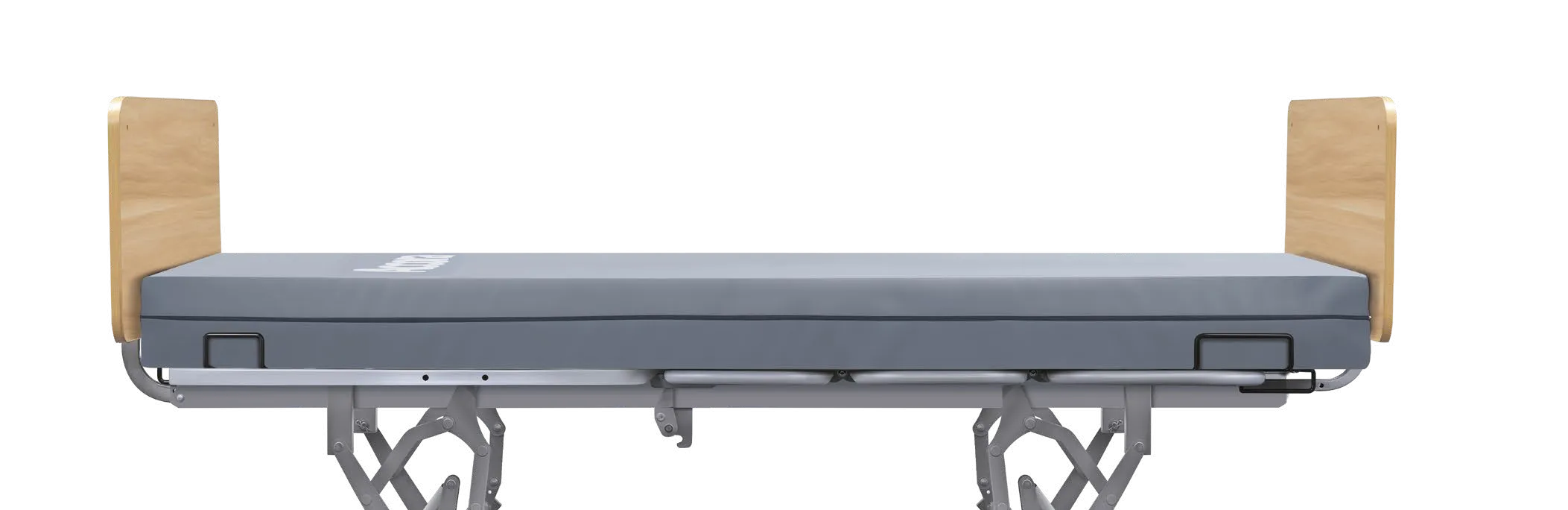
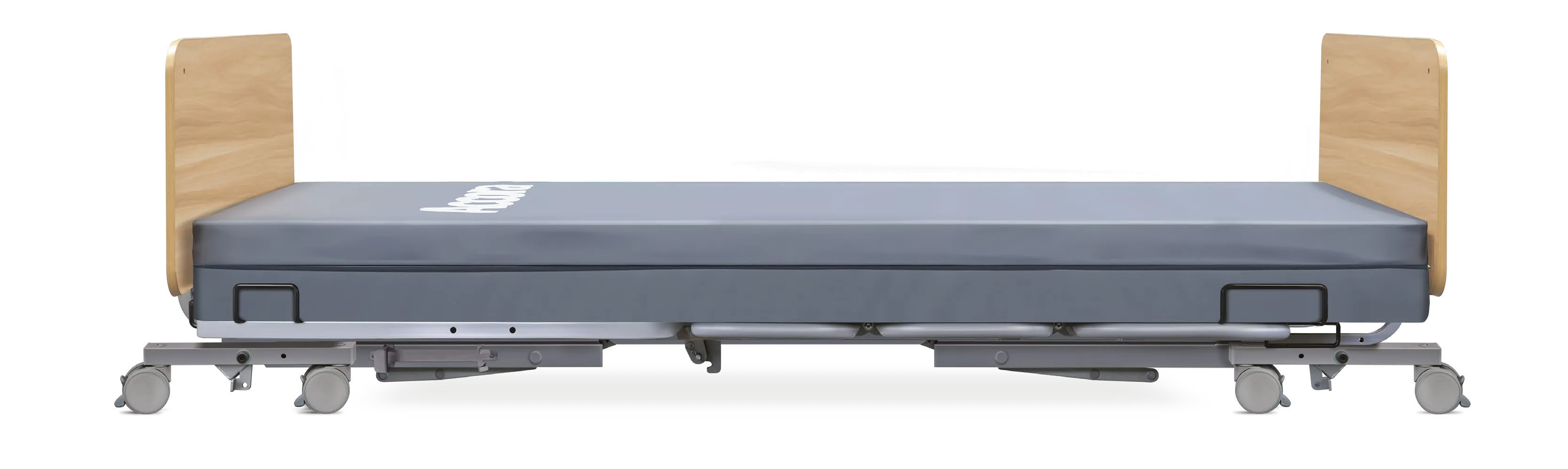
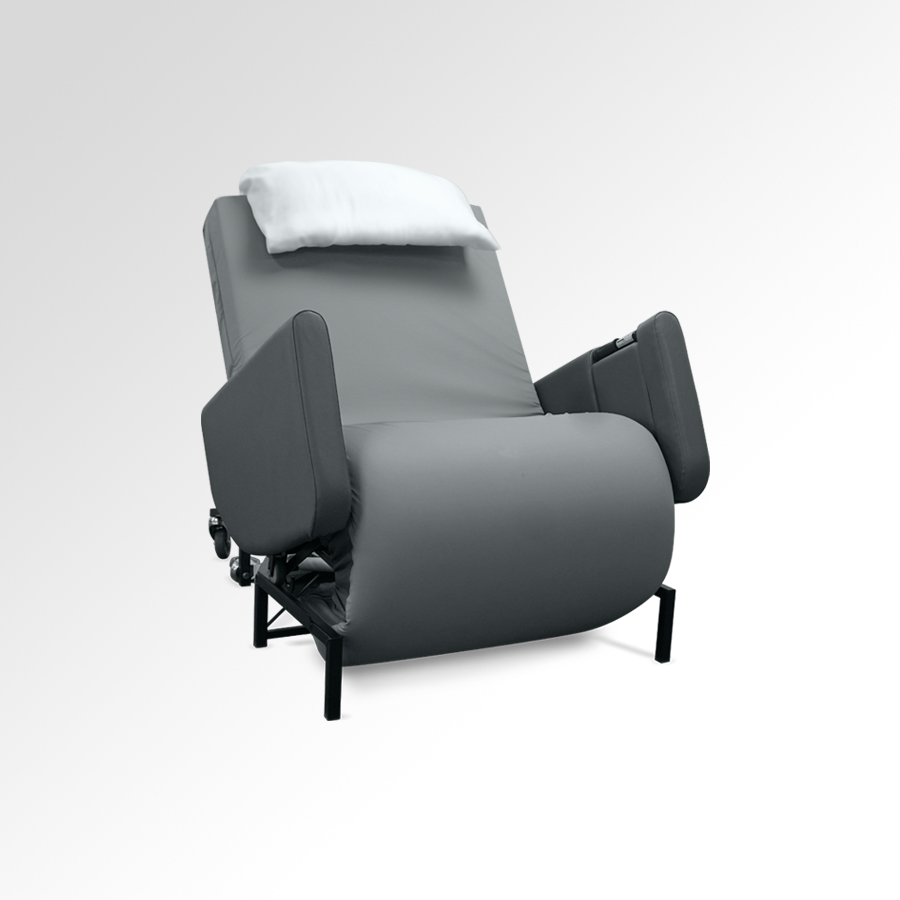
We offer joint visits at your service user's home for the Accora product range. Our Product Specialists recommend the minimum specification for your service user and work up from that from that as directed from the prescriber.






.jpg)


.png)



.jpg)