In clinical practice, skin health is often considered through the lens of risk assessment, repositioning, pressure redistribution, compression therapy and wound management. These interventions remain essential; however, they are most effective when supported by the wider determinants of tissue viability, particularly adequate nutrition, hydration and physical activity. Diet, fluid balance and movement influence tissue tolerance, circulation, inflammation, immune function and the body’s capacity for skin repair.
The NHS 10 Year Health Plan places prevention at the heart of healthcare delivery, recognising that supporting healthy lifestyles, nutrition, physical activity and self-care can improve outcomes and reduce avoidable illness [gov.uk], [england.nhs.uk]. These same principles can be applied to maintaining healthy skin, preserving tissue viability and reducing the risk of skin breakdown, particularly in older and vulnerable populations. We all have a role in earlier identification of patients at risk, proactive support for lifestyle factors and collaborative care planning that helps people maintain skin integrity before problems arise.
With prevention as the overarching aim, it is helpful to first consider why the skin is so dependent on whole-body health.
Why skin health starts from within
The skin is the body’s largest organ and a vital protective barrier. It accounts for around 10–15% of bodyweight and relies on an extensive vascular network to supply oxygen and nutrients, remove waste products and regulate temperature.
A healthy skin microbiome also contributes to immune defence, inflammation control and protection against infection. Maintaining this barrier requires attention to the person’s overall physiological status, not the wound or skin surface alone.
Skin vulnerability increases with age, acute or chronic illness, immobility, poor nutrition, dehydration and reduced functional reserve. These factors can increase the risk of infection, pain, pressure damage, skin tears and delayed wound healing.
As the skin is constantly renewing and protecting the body, nutrition becomes one of the most practical ways to support that barrier from within.
The role of nutrition in skin health
Nutrition is a core component of skin integrity and wound prevention. Because skin is continuously renewing, the body requires adequate energy, protein, fluids, vitamins and minerals to support cellular function, barrier maintenance, collagen formation and tissue repair.
Protein provides the building blocks for collagen formation, essential for skin strength and elasticity, immune function and tissue regeneration. Protein intake of approximately 0.75g–0.8g per kilogram for a person of healthy body weight, equating to 45g a day for a woman of 60kg and 55g a day for a 75kg man. Protein is also essential to maintain muscles and as we age we need to try to reduce age-related muscle loss, for example sarcopenia, to keep active and strong (Parker, T, BHF 2026).
Energy intake matters too: without enough calories, the body may use protein for fuel rather than healing and maintenance.
Micronutrients such as vitamin C, zinc and iron contribute to collagen synthesis, oxygen transport and immune defence.
In practice, healthcare professionals can support skin integrity by encouraging a varied diet based on adequacy, balance, moderation and diversity. A “food first” approach should include protein at each meal, starchy carbohydrates for energy, fruit and vegetables for vitamins and minerals, and suitable higher-energy options when appetite is poor or nutritional risk is identified (WHO 2026).
Alongside the nutrients that build and repair tissue, fluid intake helps maintain the condition and resilience of the skin surface.
Hydration is equally important. When water loss through the skin barrier is too high, the skin can become dry, flaky, fragile and less elastic, reducing its ability to act as an effective protective barrier.
Nutrition and hydration provide the building blocks for skin health, but movement helps ensure those nutrients and oxygen reach the tissues that need them.
Exercise, movement and skin health
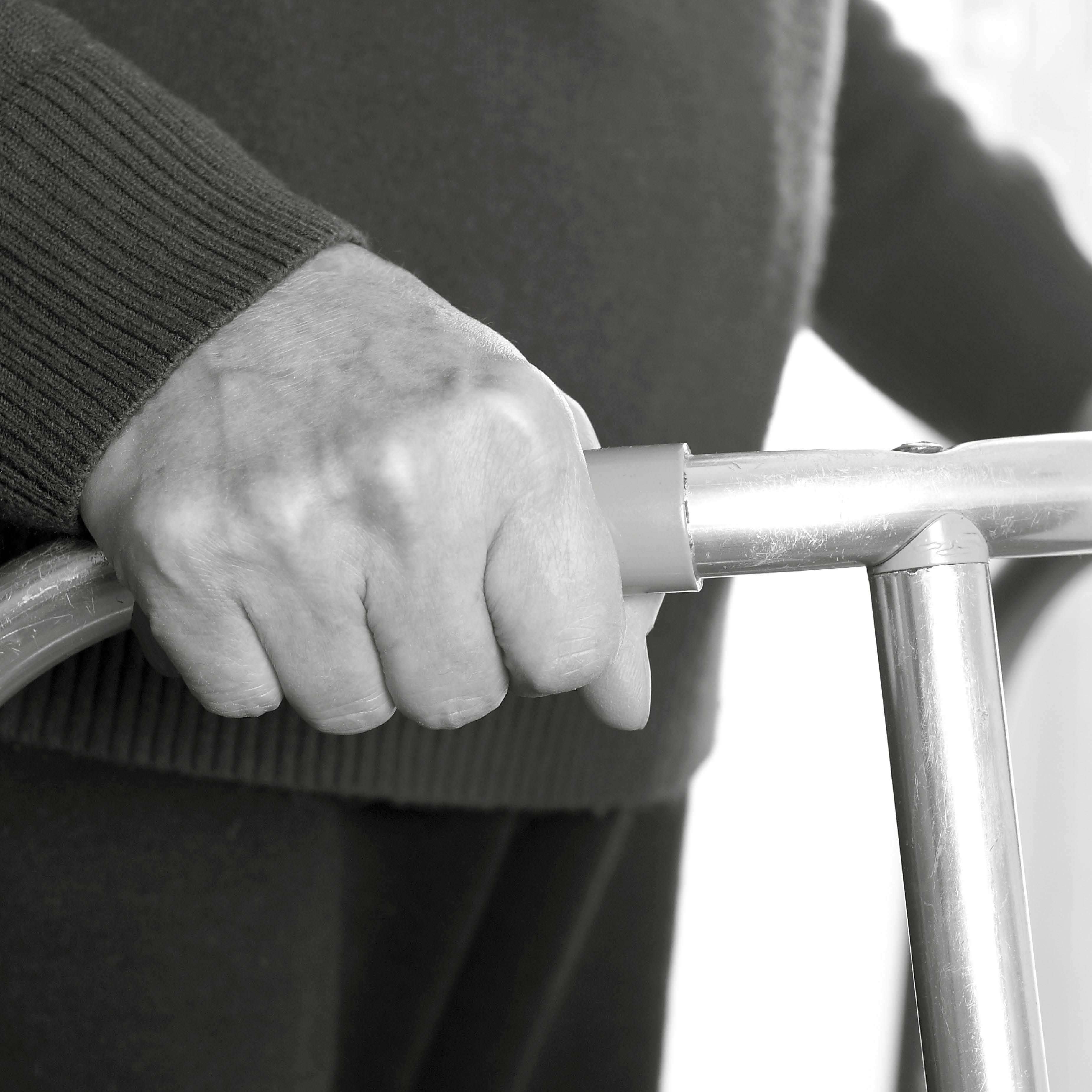
Physical activity and functional movement are clinically relevant to skin integrity. Movement supports circulation, tissue oxygenation and nutrient delivery, while prolonged immobility increases sustained pressure, reduces perfusion and contributes to the risk of skin breakdown.
For people with reduced mobility, the clinical priority is to limit prolonged pressure, maintain muscle activation, support circulation and enable safe repositioning wherever possible. Interventions may include scheduled position changes, short periods of walking, supported standing, ankle pumps and active or assisted range-of-motion exercises, depending on the individual’s condition and goals.
Movement is also particularly important for lower-limb skin health. Walking and calf muscle activation support venous return, while safe mobility and leg elevation can help reduce fluid pooling and oedema. This is especially relevant for people at risk of venous leg ulceration or lymphoedema, and should be considered alongside vascular assessment, prescribed compression and individual clinical advice.
Strength, balance and functional mobility have direct implications for pressure ulcer prevention and skin integrity. People who can transfer, reposition and mobilise more safely are less exposed to prolonged pressure and may have reduced risk of falls, skin tears and deconditioning. Movement should therefore be considered part of tissue viability assessment and prevention planning.
In practice, exercise advice should be realistic, safe and tailored to the person’s clinical status. Pain, frailty, vascular status, wound location, falls risk, compression use and confidence with mobility all need to be considered. For some people, the goal may be walking regularly; for others, it may be sitting out of bed, changing position more frequently or completing simple ankle and leg exercises.
Hospital initiatives such as ‘End PJ Paralysis’ and ‘Eat, Drink, Dress, Move’ reinforce this prevention message by encouraging patients to get dressed, eat and drink well, and move safely to reduce avoidable complications such as deconditioning, falls, pressure ulcers, blood clots and urinary tract infections.
Klempel et al. (2021) provide relevant evidence for practice. Their systematic review and meta-analysis found that chair-based exercise programmes improved physical function in older adults, particularly upper-limb strength, handgrip strength and lower-limb function. The review included 25 studies and 1,388 participants and supports the use of seated, structured and progressive exercise as a practical intervention to help maintain strength, reduce deconditioning and support independence in frail, deconditioned or less mobile adults (Klempel et al.,2021).
This evidence is relevant to overall wellbeing as well as mobility. Maintaining physical function can support independence, confidence, comfort and participation in activities of daily living. In tissue viability practice, these outcomes are important because they can influence a person’s ability to reposition, engage in care, tolerate interventions and maintain quality of life.
By promoting regular repositioning, muscle activation and safe movement, exercise may help reduce sustained pressure, support local blood flow and tissue oxygenation, and contribute to pressure ulcer prevention and the preservation of skin integrity (Klempel et al., 2021).
Diet, hydration and movement should therefore be addressed together within holistic assessment, care planning and multidisciplinary prevention strategies.
Practical take-home messagesfor clinicians
● Think prevention first: diet, hydration and movement should be part of routine skin integrity conversations, not only considered once a wound has developed.
● Screen early and regularly: identify malnutrition risk, unplanned weight loss, dehydration, reduced mobility and frailty as part of pressure ulcer risk assessment.
● Promote protein and energy adequacy: encourage protein at each meal and adequate calorie intake to support collagen formation, immune function and tissue repair.
● Hydration matters: poor hydration can affect skin turgor, comfort and resilience, so fluid intake should be reviewed alongside continence, swallowing ability and individual clinical needs.
● Movement is a tissue viability intervention: repositioning, walking, ankle exercises, assisted movement and strength-based activity all help support circulation and reduce prolonged pressure.
● Support venous return: for people at risk of, or living with, venous leg ulcers, encourage safe mobility, calf muscle activation and leg elevation where appropriate, alongside prescribed compression.
● Work as a multidisciplinary team: tissue viability, nursing, dietetics, physiotherapy, occupational therapy, podiatry, carers and social care all contribute to prevention and healing.
● Make every contact count: brief, consistent messages about eating well, drinking adequately and moving safely can reinforce prevention and empower patients, families and carers.
Conclusion
Skin integrity is not maintained by dressings, equipment or risk assessment tools alone. It is influenced by nutrition, hydration, mobility, circulation, tissue tolerance, immune function and the person’s ability to participate in care. Early recognition of risks and timely intervention can help reduce avoidable skin damage and support improved outcomes for people at risk.
For clinicians, the key message is to assess the whole person. Routine conversations about nutrition, hydration and safe movement can strengthen prevention, support dignity and contribute to improved skin integrity before breakdown occurs.
Brand new webinars
Sign up to our brand new webinars focusing on Tissue Viability.
References
Gethin G, Kottner J, Lamza A, Meaume S, Megal C, Conde Montero E, Rawlinson F, Ryan H, Probst S. Palliative wound care. Recommendations of the management of wound-related symptoms. J Wound Management, 2025;26(1 Sup1):S1-S40. DOI:10.35279/jowm2025.26.01.sup01
JointWHO/FAO Expert Consultation on Diet, Nutrition and the Prevention of Chronic Diseases (2002: Geneva, Switzerland). Diet, nutrition and the prevention of chronic diseases: report of a joint WHO/FAO expert consultation, Geneva, 28January – 1 February 2002.
Klempe lN, Blackburn NE, McMullan IL, Wilson JJ, Smith L, Cunningham C, O’Sullivan R, Caserotti P, Tully MA. The Effect of Chair-Based Exercise on Physical Function in Older Adults: A Systematic Review and Meta-Analysis. Int J Environ Res Public Health. 2021;18(4):1902. doi: 10.3390/ijerph18041902.
Parker T (2026). Protein: how much do you need? August 2026. British Heart Foundation website.
WHO Healthy Diet, 26 January 2026.
Verdier-SévrainS, Bonté F. Skin hydration: a review on its molecular mechanisms. J Cosmet Dermatol. 2007 Jun;6(2):75-82. doi: 10.1111/j.1473-2165.2007.00300.x. PMID:17524122.
WoundsUK (2018) Best Practice Statement: Maintaining skin integrity. London: WoundsUK. Available to download from: www.wounds-uk.com
Further reading
movingmedicine.ac.uk
www.nhs.uk/live-well/exercise/strength-exercises/
www.nhs.uk/live-well/exercise/strength-and-resistance/
www.nhs.uk/live-well/exercise/
www.nhs.uk/live-well/exercise/sitting-exercises/