


24-Hour care: the person centred approach
Join us for an upcoming webinar exploring the theme of person-centred care through a truly multidisciplinary lens. This engaging session brings together a panel of experienced clinicians and specialists to share their perspectives on what person-centred care means in practice.
Featuring Occupational Therapists Nicola Murphy and Jayne Brewer, Tissue Viability Nurse Sarah Thompson, and Accora Product Specialists Dean Curson and Tom Waplington-both formerly practising physiotherapists- this webinar offers a unique opportunity to hear from a diverse range of professional voices.
Through an open and interactive discussion, our speakers will explore how person-centred care is understood and applied across different roles and settings, offering practical insights that attendees can take back into their own practice.
Learning Outcomes
Bythe end of this webinar, attendees will be able to:
- Describe what person-centred care means from a range of professional perspectives
- Compare how different disciplines approach and apply person-centred care in practice
- Recognise the value of multidisciplinary collaboration in delivering effective, individualised care
- Reflect on their own practice and identify opportunities to strengthen person-centred approaches
- Apply shared insights from the discussion to support more holistic, patient-focused care in their setting
Meet our Experts

Nicola Murphy is a dedicated and compassionate Occupational Therapist with experience within the inpatient, outpatient, and community settings. Her experience spans across many specialities including oncology, surgery/ vascular, wheelchairs services, and elderly care.

Jayne qualified as an OT in 1996 and has a wide range of clinical experience in acute and community settings. Her recent experience has been in Community Equipment Stores providing training and support to prescribers and commissioners.
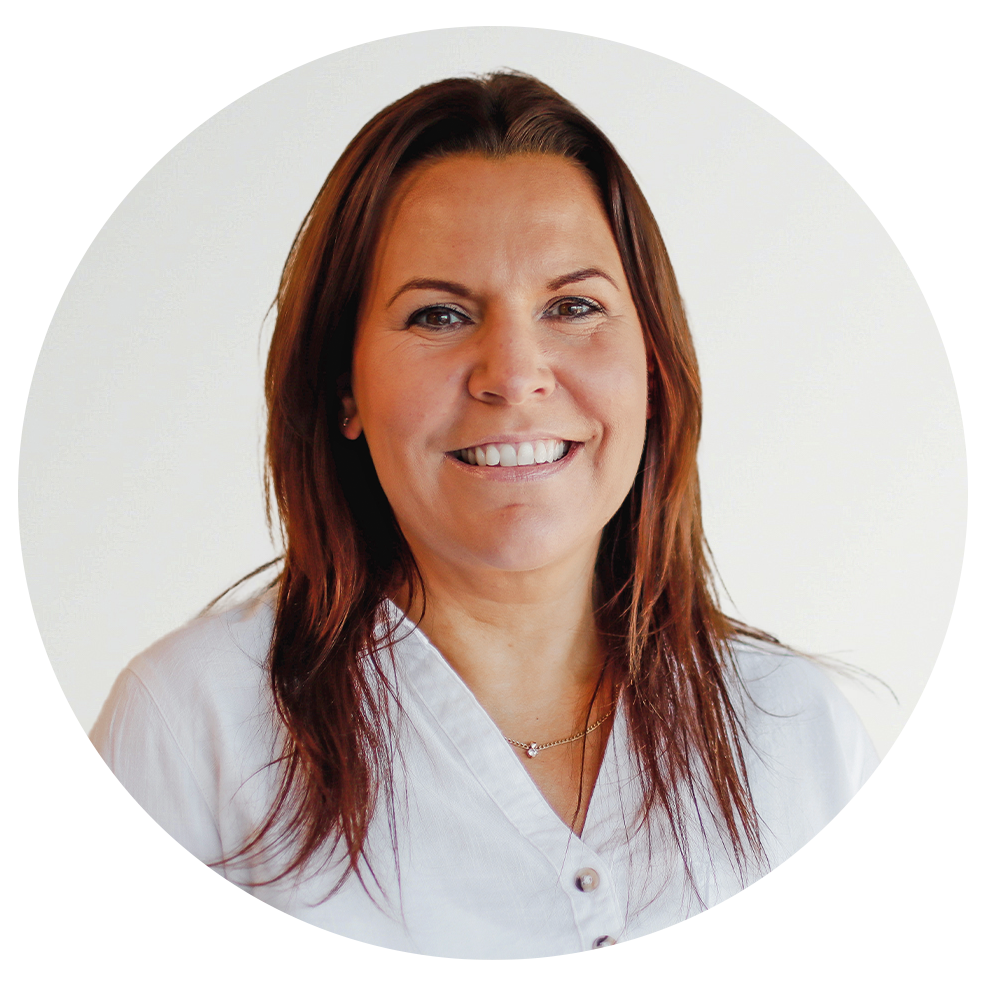
Sarah has always had a keen interest in Tissue Viability since becoming a registered nurse in 2002. Her experience varies from within a community setting, where she completed her Tissue Viability based degree in 2007. She then worked within the private sector to gain additional advanced wound care skills whilst working with a medical devices company specialised in wound healing. In 2010, Sarah became a Tissue Viability Nurse and shaped a specialised service within the acute sector for 7 years before returning to the community setting as a TVN.


People who watched this also watched...
New year, balanced you: Mindfulness for the health and care professionals
Join Kate Jackson in this interactive webinar exploring mindfulness for health and social care professionals. Kate will guide you through a range of concepts, techniques and considerations, offering practical ways to bring Mindfulness into your daily life to enhance wellbeing. Kate takes a thoughtful, compassionate and inclusive approach to wellbeing, offering a grounded and accessible delivery style.
Evidence-informed postural and mobility care for children with non-ambulant cerebral palsy
This webinar will focus on children with cerebral palsy who are classified at Gross Motor Function Classification System (GMFCS) Levels IV and V. Functional independent and interdependent mobility, and postural care are critical components of health, developmental exploration, and social participation for this population. The focus will be expanded from supportive positioning in lying, sitting and standing, to activities of daily living and natural routines, promoting supported stepping, mobility and physical activity.
Participants will explore evidence-based strategies to assess, prescribe, and implement adaptive positioning and mobility technologies, focusing on promoting movement opportunities, optimizing hip and spinal integrity, and mitigating secondary musculoskeletal complications. Video and photo case stories will illustrate evidence-informed implementation of these principles.
Customised Equipment- Making Things Possible
This session will provide an overview of REMAP, a national charity that has been making and adapting equipment to meet the unique needs of individuals at no cost to them. The variety and complexity of equipment provided is wide-ranging and limited only by the creativity and skills of its volunteer engineers. The equipment created is explicitly designed for the client.
Sharing case studies, we will showcase the life span of REMAP’s service and explore how your professional curiosity can help clients achieve much more. We will discuss what can be achieved and how to consider the language we use as occupational therapists when working with the engineer. We will explore how you can influence commercial manufacturers to design accessible and cognitive infusion products.