


Pressure ulcers - To sit or not to sit
In this session we will explore the critical clinical reasoning process around whether you can sit out of bed with a pressure area. To celebrate OT week and Stop the pressure week, we wish to recognise the importance of collaborative working.
This session will explore the risks of sitting and the risks of staying in bed. We wish to help clients make informed seating decisions to promote comfort, healing, function and overall well being.
Learning Outcomes
- Understand 24-hour posture and positioning
- Practical advice we can pass onto clients about managing pressure and preventing further damage
- Recommendations for alternative positions and equipment
- A review of current evidence
Meet our Experts
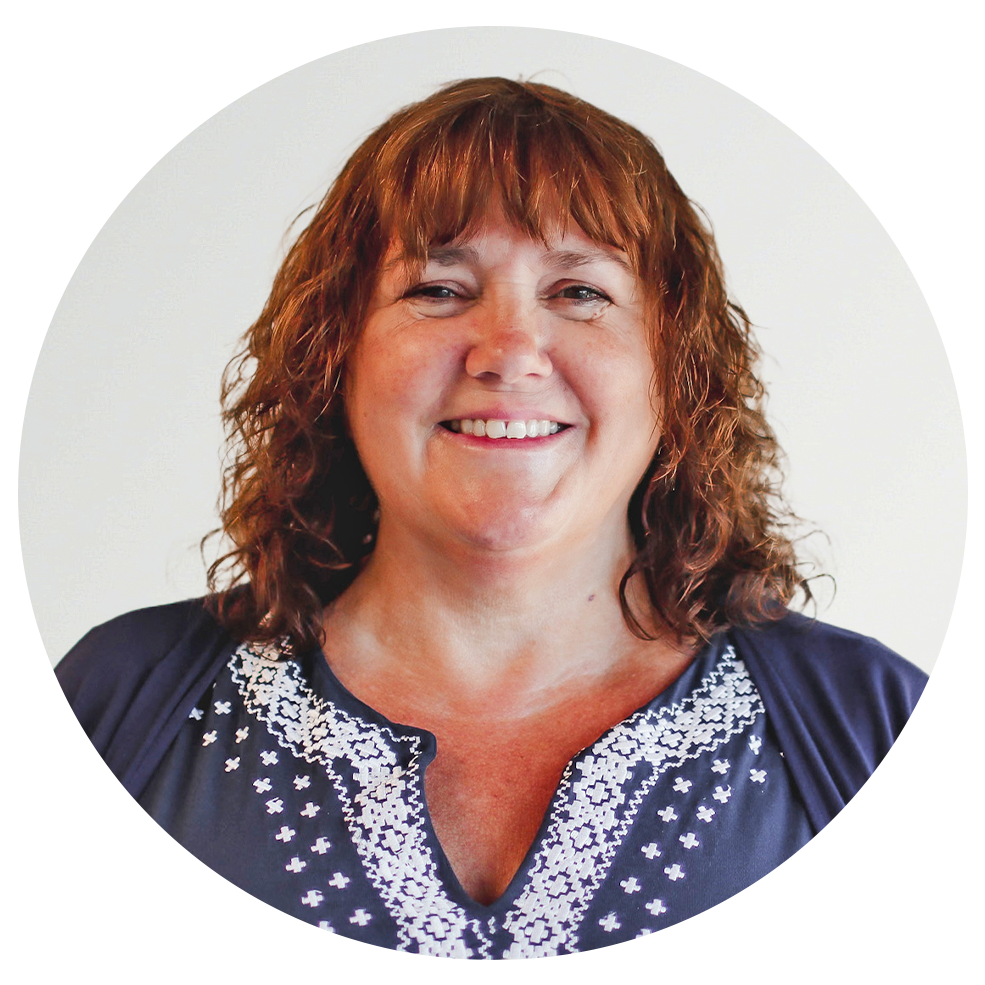
Heidi has been a Tissue Viability Nurse since 2002. Her interest and passion in the prevention and management of pressure ulcers began, however, in 1987 on registering as a nurse. She has worked in both acute and community care.

Nicky is a dedicated Occupational Therapist with over 16 years of experience, specializing in disability, posture, and seating. She has worked in both inpatient and community settings, and most recently served as a seating therapist within the HSE.
Useful resources

Pressure ulcers - To sit or not to sit
Take a closer look at the slides presented by Nicky and Heidi.
People who watched this also watched...
Smarter 24-Hour care: applying clinical reasoning to seating and posture
This session will explore the essential components of conducting an effective postural assessment for seating, supporting clinicians to deliver well-informed, person-centred outcomes. It will examine the concept of clinical reasoning- what it is, why it matters, and the importance of taking a systematic approach when assessing for seating. We will consider the importance of using the correct terminology when recording gathered data and how best to present to clearly to justify equipment request.
The webinar will also focus on some examples of assessment findings and share clinically justification for decision making, sharing practical insights, tips, and best practices to strengthen confidence and consistency. Attendees will be guided through the process of gathering and recording critical assessment data, analysing key findings, and translating this information into clear, robust equipment provision recommendations that meet the needs of patients and clients.
Pressure Ulcers - Understanding what went wrong through RCA and PSIRF
This session will consider investigating pressure ulcer incidents within the context of Patient Safety Incident Response Framework (PSIRF) and the new National Wound Care Strategy Recommendations.
Undertaking investigations within your care home or home care team will help you understand what improvements need to be made, if any, to the care being delivered. Demonstrating that this activity is taking place, being acted upon and improving pressure ulcer incidents could support an improved CQC rating.
Prescribing seating for cognitively impaired users: exploring the risks
When prescribing seating, our aim is to meet the needs of the service user by prescribing a chair that will provide the right level of support, enable safe, easier assisted or independent transfers, reduce risk of pressure injuries and enable them to obtain and maintain a good sitting posture in the provided chair. However when a service user has a cognitive impairment and has poor risk awareness, additional risks are present. In this session we aim to outline some of these possible additional risks and how to overcome them to ensure the service user and their carers/family remain as safe as possible when the service user is seated in a chair that is there to meet their needs.