


Swollen legs, stolen lives: how oedema steals mobility and independence
Swollen legs are often dismissed as a minor or inevitable problem. In reality, unmanaged oedema can be the first step toward loss of mobility, independence, and quality of life.
This webinar raises awareness of how lower limb swelling triggers a downward spiral of heaviness, pain, reduced movement, muscle weakness, and fear of activity- often leading to deconditioning and patients becoming 'off-legs.' Everyday coping strategies, such as reduced walking or sleeping in a chair, can unintentionally worsen the problem.
Aimed at all healthcare professionals, this session shifts the focus from treating symptoms to recognising early warning signs and acting sooner. It highlights how simple, timely interventions can protect mobility, prevent avoidable decline, and help people remain independent for longer.
Learning Outcomes
By the end of this session, participants will:
- Understand how oedema drives loss of mobility and independence
- Recognise behaviors and environments that worsen lower limb swelling
- Identify early intervention points to prevent patients becoming “off-legs”
- Apply practical strategies to help break the cycle
- Tools that can help: Ascenda Demonstration
Meet our Experts
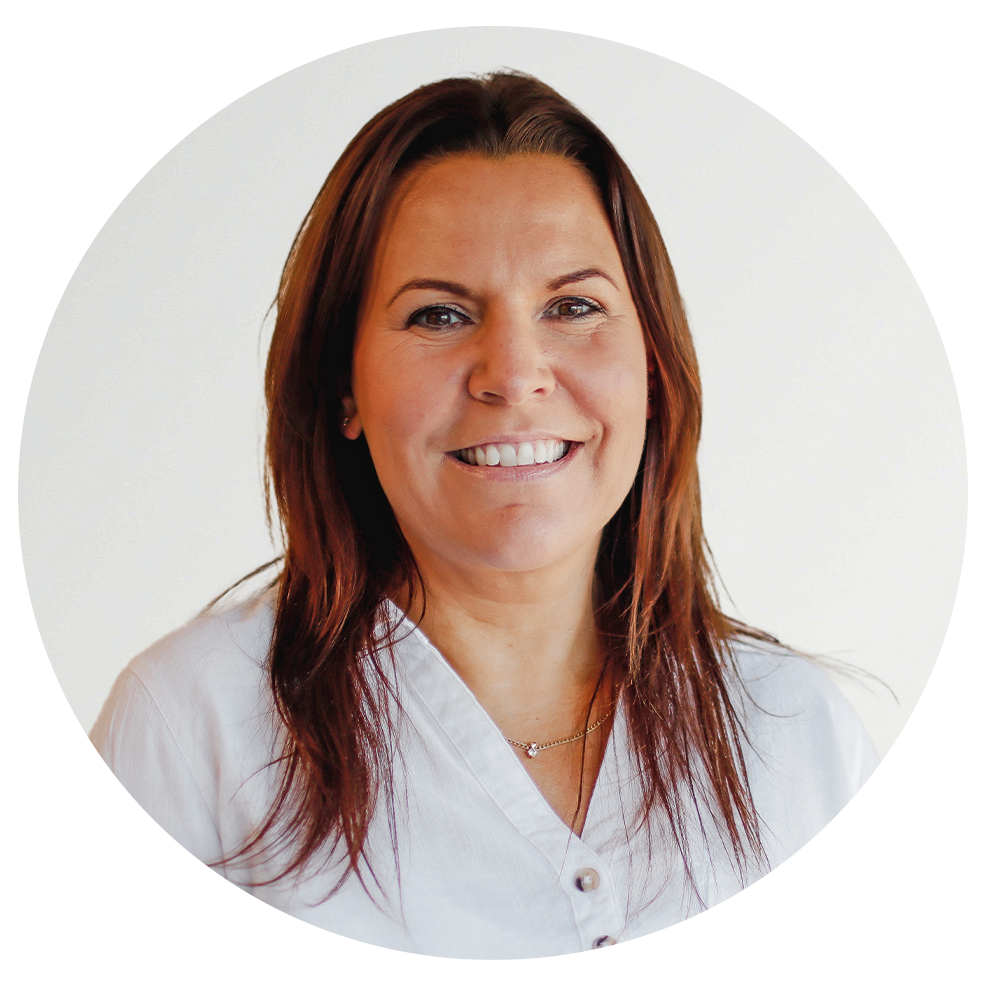
Sarah has always had a keen interest in Tissue Viability since becoming a registered nurse in 2002. Her experience varies from within a community setting, where she completed her Tissue Viability based degree in 2007. She then worked within the private sector to gain additional advanced wound care skills whilst working with a medical devices company specialised in wound healing. In 2010, Sarah became a Tissue Viability Nurse and shaped a specialised service within the acute sector for 7 years before returning to the community setting as a TVN.
People who watched this also watched...
Link between lower limb oedema pressure ulcers and legrest elevation
Very often when caring for people with lower limb oedema we are advised to elevate the legs. Why is this and how does this help? This webinar will help you understand oedema, its reduction and how this can also help prevent heel pressure ulcers.
The role of seating in addressing posterior pain
In this session we will explore the fundamentals of reported pain, how it can present, how it can impact function and how often a chair is seen as the solution.
This session is aimed at providing therapists the opportunity to think around this common issue and enable them to ask investigatory questions to help adjust seating as required.
Pressure ulcers - To sit or not to sit
In this session we will explore the critical clinical reasoning process around whether you can sit out of bed with a pressure area. To celebrate OT week and Stop the pressure week, we wish to recognise the importance of collaborative working.
This session will explore the risks of sitting and the risks of staying in bed. We wish to help clients make informed seating decisions to promote comfort, healing, function and overall well being.