


Postural management in long-term neurological conditions
This webinar covers the principles of postural management and focuses on the assessment of people with long-term neurological disorders. We will explore different presenting postures and think about how we can address these with seating and a 24-hour management programme.
Learning Outcomes
- To understand what we mean when talking about basic postural management principles
- To recognise relevant signs and symptoms of problematic posture and resulting impact on function
- To practically apply postural management principles to people living with long-term neurological disorders
Meet our Experts
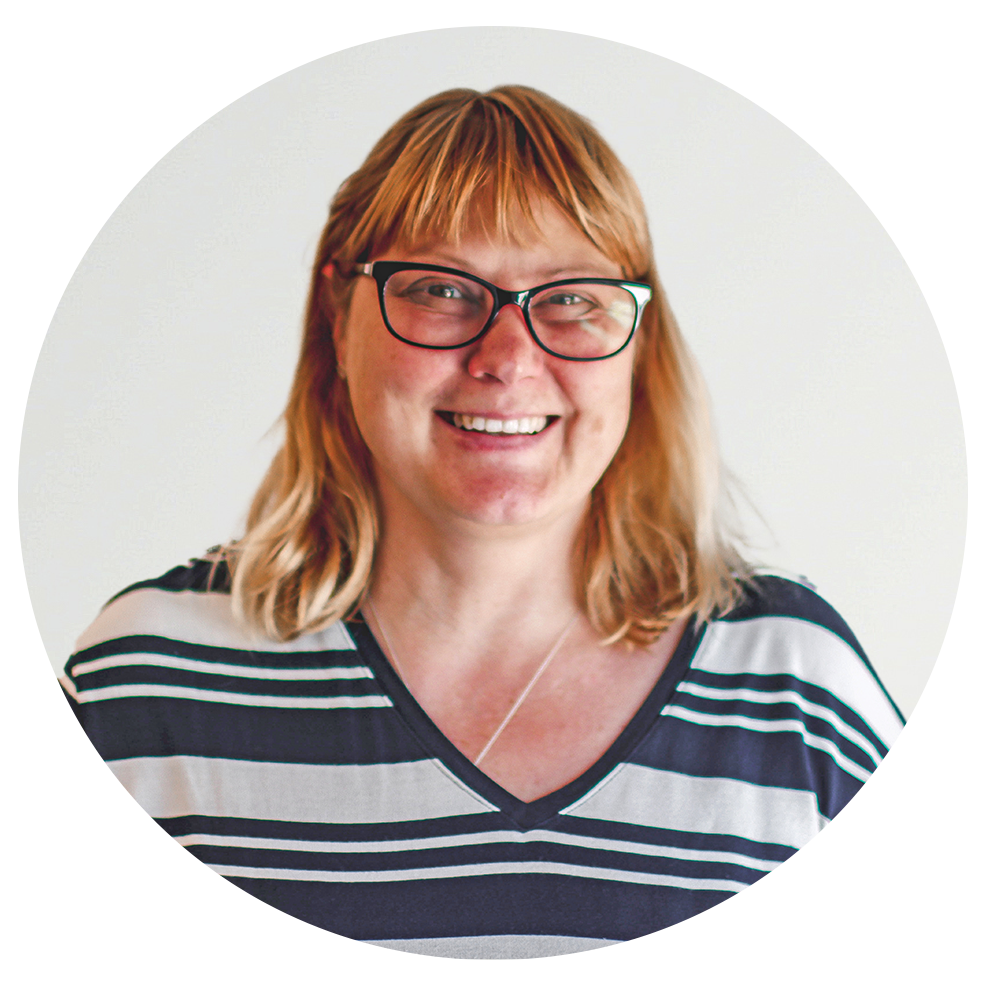
Jenny is a senior occupational therapist. She qualified in 1997 and completed her MSc in Neuro-rehabilitation in 2007. She has worked in Neurological Rehabilitation at the Battle Hospital in Reading, and the Rivermead Rehabilitation Centre in Oxford which became part of the Oxford Centre for Enablement in 2000. She moved into the Specialist Disability Service at the OCE from where she joined the Oxford MND Centre in January 2007.
Since August 2009 Jenny has been funded full-time by the Motor Neurone Disease (MND) Association to develop NHS wheelchair services across the UK, to improve wheelchair provision for people living with MND.
People who watched this also watched...
Menopause: Is there a role for Occupational Therapy?
With growing awareness and understanding of the menopausal transition that women experience, the question arises: What role can Occupational Therapists play in supporting them? Perimenopause can significantly influence women’s participation in meaningful occupations, daily roles, and routines, and may even challenge their sense of occupational identity. Given their expertise in the value of occupation for health and wellbeing, occupational therapists are uniquely positioned to provide support during this life stage.
FloorBed: Reducing the risk of falls and promoting independence
This webinar delves into the benefits of the ultra-low function of the FloorBed, drawing insights from case studies. We examine the challenges encountered by users, including transfers and bed falls, and explore how the FloorBed not only provides an effective solution to these challenges but also offers financial benefits.
New year, same challenges: taking care of yourself
In this session, discover strategies to combat burnout and other challenges faced in health and social care, explore usable welling practices and learn how to create a personalised self-care action plan.