


Optimising posture and positioning to support safe swallowing: a multidisciplinary approach
This session will be delivered jointly by SLT and OT. In this session we will explore the optimum positioning for swallowing and then investigate interventions on how to manage when a person is unable to achieve this optimum position.
Learning Outcomes
- Understand the impact of optimal positioning on swallow function to support eating and drinking and why recommendations around positioning are so important
- Understand the ideal position & posture for people to adopt for swallowing and when / why recommendations might deviate from that
- Have an awareness of what may make this more important for people when they have difficulty swallowing
- Have an awareness of situations which may lead people to be unable to achieve the ideal position and posture
- Consider risk assessments and interventions required for people who have swallowing and postural difficulties
Meet our Experts

Jennifer Benson is an independent Speech and Language Therapist with over 25 years experience across both NHS and private practice. She works with people with a wide variety of neurological difficulties, with particular specialisms in both MND and acquired brain injury. She is Clinical Adviser for the Royal College of Speech and Language Therapists, and sits on the expert core of the MND Community of Practice. She contributes to many project groups in both fields, alongside a busy private practice. Jennifer particularly enjoys and values MDT working and problem solving in complex cases.
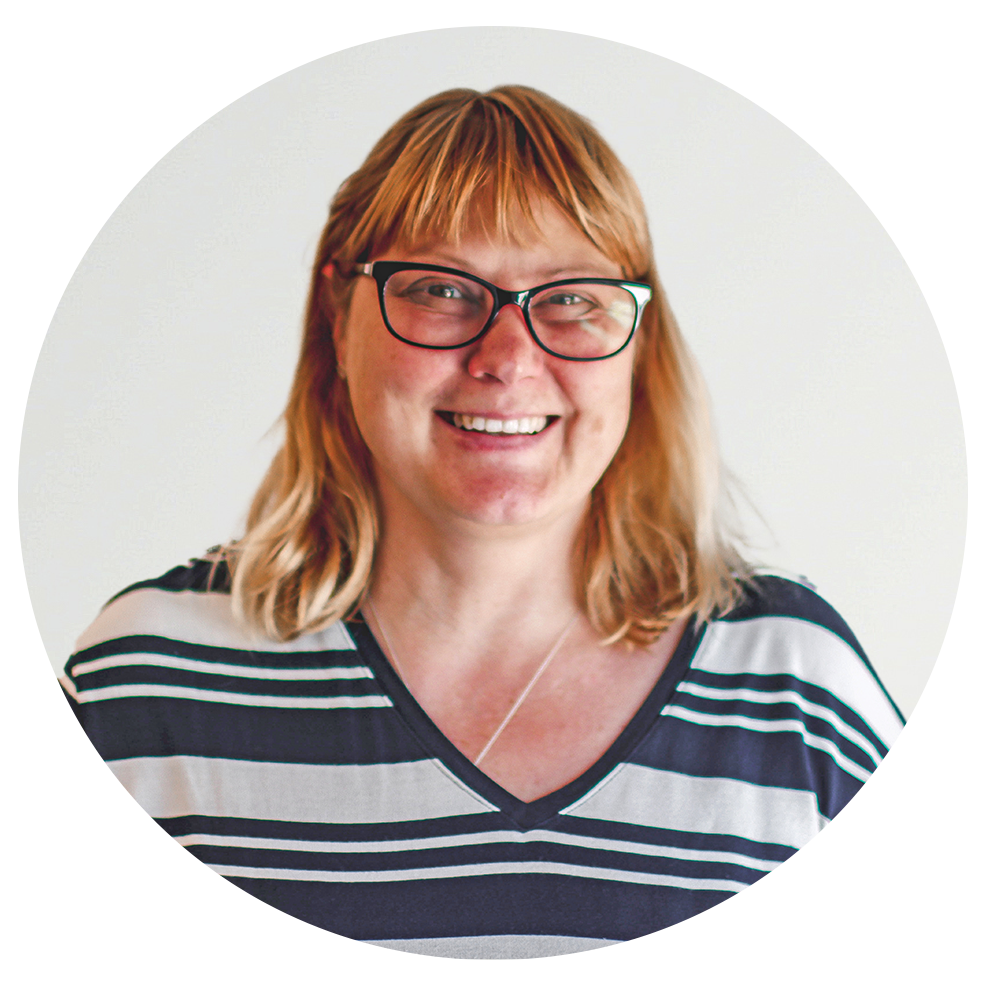
Jenny is a senior occupational therapist. She qualified in 1997 and completed her MSc in Neuro-rehabilitation in 2007. She has worked in Neurological Rehabilitation at the Battle Hospital in Reading, and the Rivermead Rehabilitation Centre in Oxford which became part of the Oxford Centre for Enablement in 2000. She moved into the Specialist Disability Service at the OCE from where she joined the Oxford MND Centre in January 2007.
Since August 2009 Jenny has been funded full-time by the Motor Neurone Disease (MND) Association to develop NHS wheelchair services across the UK, to improve wheelchair provision for people living with MND.
People who watched this also watched...
Ask Accora Anything
Join us for an interactive Accora Q&A Webinar, where you set the agenda! This session is designed to give you direct access to our experts and help you get the answers you need. Participants are invited to submit their questions in advance or during the session.
Submit your questions here.
Beyond the cushion: Addressing pressure care challenges in specialist seating
With an increasing range of specialised seating solutions available to support service users with complex needs, clinicians are faced with more choices than ever. However, despite these advances, uncertainties around effective pressure care within seating systems remain a common concern among professionals.
This webinar aims to help you gain clarity and confidence in navigating pressure care challenges to achieve the best results in seating provision.
Designing for dementia: Facts Fiction and Finesse
In this webinar we explore dementia from a design and clinical aspect, looking at types and symptoms and how we design our care homes for the future.