Posture is something we often take for granted, until it starts to impact our health, function, and quality of life. For Occupational Therapists and allied health care professionals, understanding posture is about observation, early action, prevention, and promoting long-term wellbeing.
At the annual conference in 2025 the Royal College of Occupational Therapists launched ‘Right support. Right time: unlocking the power of OT’. Highlighting the benefits of Occupational Therapy in prevention and early intervention.
'Occupational therapists help people do the things they need and want to do- but too often, they’re brought in too late. We’re calling for a shift in how and when people access Occupational Therapy. Embedding OT earlier in communities helps people stay well, reduces pressure on services and builds a sustainable, preventative health and care system.'
-Karin Orman, RCOT’s Director of Practice and Innovation
Find the full article here
Understanding posture
Posture can be described simply as the body’s alignment and positioning. But behind this simplicity lies a complex interaction of:
- Gravity and centre of mass
- Muscles, joints, and skeletal structure
- Movement and functional ability
Good posture allows for even weight distribution, stability, and efficient movement, while poor posture and poor alignment can quickly lead to fatigue, discomfort, reduced function and damage to body systems.
Why is prevention key?
Humans have evolved to move and function efficiently; whilst maintaining stability against the force of gravity. And with gravity being an ever-present force it has a significant part to play in our evolution, development of our bodystructures and range of movement. Our ability to continually reconfigure bodysegments to complete a variety of tasks are infinite.
However, our movement, mobility and flexibility developed when fit and well, will in-turn leave us vulnerable to damage if we are unable to maintain good posture and mobility against this force. A medical condition, aging and frailty can result in an individuals’ inability to continue to maintain body symmetry, stability & function in both standing and sitting. Equally, it will also leave them vulnerable to changes if left unsupported in lying. This is why it is essential for us to notice where and when changes are occurring to posture, so that we provide the right support at the right time.
Key drivers of postural change include:
- Ageing and frailty
- Changes in muscle tone or body shape due to medical diagnosis
- Pain and discomfort
- Neurological conditions (e.g. Parkinson’s)
- Sensory or perceptual difficulties
- Environmental factors such as unsuitable seating and more broadly inadequate support surfaces
Without intervention, small changes in body alignment can developinto fixed postural asymmetries, making them harder to manage later.
Spotting the early warning signs
One of the most important roles of clinicians is recognising earlychanges before they escalate.
Watch for:
- Uneven weight distribution
- Leaning to one side or forward when in seated, standing or lying
- Reduced ability to reposition independently
- Limited range of movement
- Increased pressure areas & development of pressure ulcers
- Poor fitting seating
If posture starts to deteriorate and is not addressed, it will continue to worsen.
The link between posture and pressure
When posture is poor:
- Weight distribution is concentrated over smaller areas
- Pressure increases significantly
- Risk of tissue damage and development of pressure ulcers rise.
Maintaining good body alignment helps distribute load evenly and reduces risks of skin damage.
The importance of 24-Hour postural care
Postural care doesn’t stop when someone leaves their chair. Many individuals spend significant time in bed, and without proper support their:
- Body shape can deteriorate
- Muscle wasting and deconditioning occur
- Risk of contractures increases
At the same time, lying has benefits such as:
- Increased surface area for pressure redistribution
- Rest and recovery
The challenge is achieving the right balance between support, positioning, and movement throughout a 24-hour period.
Postural care in practice
Effective postural care is:
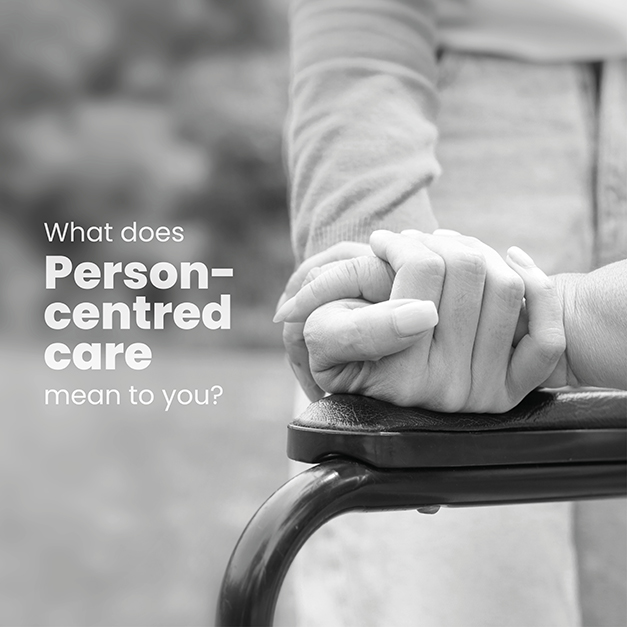
- Person-centred
- Preventative
- Simple and practical
- Comfortable and sustainable
It relies on:
- Identifying who is at risk
- Supporting movement and positioning
- Providing appropriate equipment
- Ongoing review and adaptability
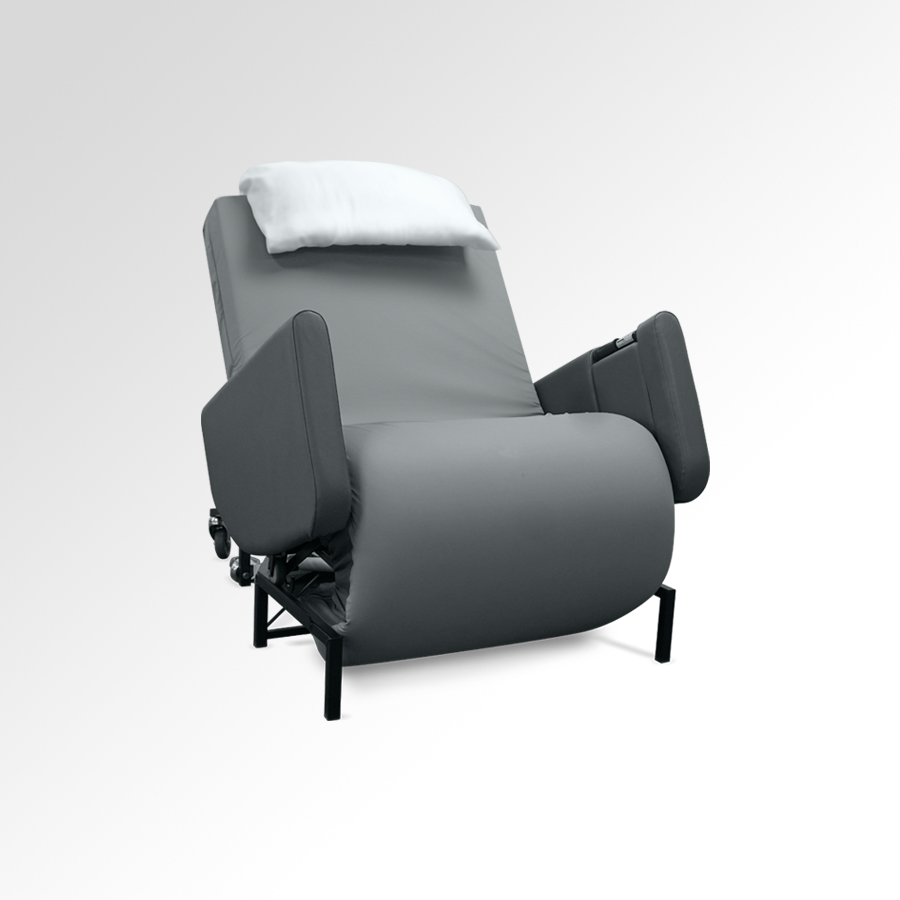
Solutions may range from basic seating adjustments to specialist chairs with tilt-in-space adjustment and lateral supports for complex needs.
What can you do as a clinician?
Early intervention starts with awareness and action:
- Advocate for individuals’ postural needs
- Recognise and record risks early
- Improve clinical knowledge and skills
- Work collaboratively with colleagues
- Educate carers and support networks
- Ensure access to appropriate equipment
Final thoughts
Postural care is not just about comfort- it’s about protecting bodyshape, preserving function, and maintaining dignity.
By shifting from a reactive to a proactive mindset, clinicians can:
- Prevent long-term complications
- Improve outcomes
- Enhance quality of life for those they support
The earlier we act, the greater the impact!
Brand new webinars
Sign up to our brand new webinars focusing on prevention and early intervention.
• Osborne LJ, Gowran RJ, Casey J. Evidence for24-hour posture management: A scoping review. British Journal of OccupationalTherapy. 2023;86(3):176-187. doi:10.1177/03080226221148414
• Pope, P (2007). Severeand Complex Neurological Disability. Butterworth Heinemann.
• StinsonM, Crawford S, Madden E. Current clinical practice in 24-hour posturalmanagement and the impact on carers and service users with severeneurodisability. British Journal of Occupational Therapy.2021;84(6):355-365. doi:10.1177/0308022620944739
Attend one of our free Accora Postural training days to improve your practice knowledge & skills!







.png)







.jpg)