


Resources
An evaluation of continuous pressure monitoring in the community to support posture, mobility and pressure ulcer prevention strategies
The SEAMLESS team have been undertaking an evaluation of Continuous Pressure Monitoring Technology for Pressure Ulcer Prevention. This includes realist evaluation across 4 community sites, co-design of new innovations through Appreciative Inquiry and a final human factors clinical trial exploring implementation of the technology.
The team have developed a number of tools to support its use in practice, including training, implementation guides and novel algorithms which predict posture, mobility and pressure exposure to aid clinical decisions. The studies have revealed the power of biofeedback to support shared decisions and the key steps that are required to support technology integration into community practice settings.
For more information, visit the project website: Transforming Community Health. A video of the continuous pressure monitoring technology can be found here.
From good prompts to great outcomes: practical AI skills for clinical practice
Most clinicians who try AI walk away unimpressed, and it usually isn't the tool's fault. It's the prompt. This session starts from the ground up with a plain-language explanation of what AI actually is and how these tools work, so anyone who missed part 1 can follow from the first slide. From there we build a simple, repeatable framework for writing prompts that produce genuinely useful clinical output instead of generic filler.
The majority of the session is hands-on, with prompts built, broken and rebuilt in real time: turning messy notes into a summary worth sharing with a team, and building a clear explanation that is then adapted for a different audience and a different reading level. We will also cover the skills that matter most for safe use: letting AI write and improve its own prompts, grounding answers in real documents so the tool cannot invent things, spotting hallucinations, and recognising when AI is simply the wrong tool. Every demonstration is run without any patient information, and the reasoning behind that is part of the teaching. GDPR, confidentiality and professional judgement run throughout.
Configura Advance: the chair that adapts to you
In this webinar, we'll introduce the Configura Advance, exploring its advanced adjustability and user-focused innovation.
We'll provide an overview of key features, including integrated size adjustments across every dimension and a range of backrest upgrade options. As our most configurable and recyclable chair yet, the Advance is the optimal choice for clients with complex postural requirements.
The session will examine how these features work together to support safe transfers, promote healthy posture, protect skin integrity, and maintain comfort, stability, and independence throughout the day.


Care facilities product guide
Our seating, beds and mattress range for care facilities.
Download now


Diet and exercise as a prevention to protect skin with Phillippa Clark
In clinical practice, skin health is often considered through the lens of risk assessment, repositioning, pressure redistribution, compression therapy and wound management. These interventions remain essential; however, they are most effective when supported by the wider determinants of tissue viability, particularly adequate nutrition, hydration and physical activity.
.jpg)
Why prevention and early intervention matters in 24-Hour postural care with Mary Snow
Posture is something we often take for granted, until it starts to impact our health, function, and quality of life. For Occupational Therapists and allied health care professionals, understanding posture is about observation, early action, prevention, and promoting long-term wellbeing.
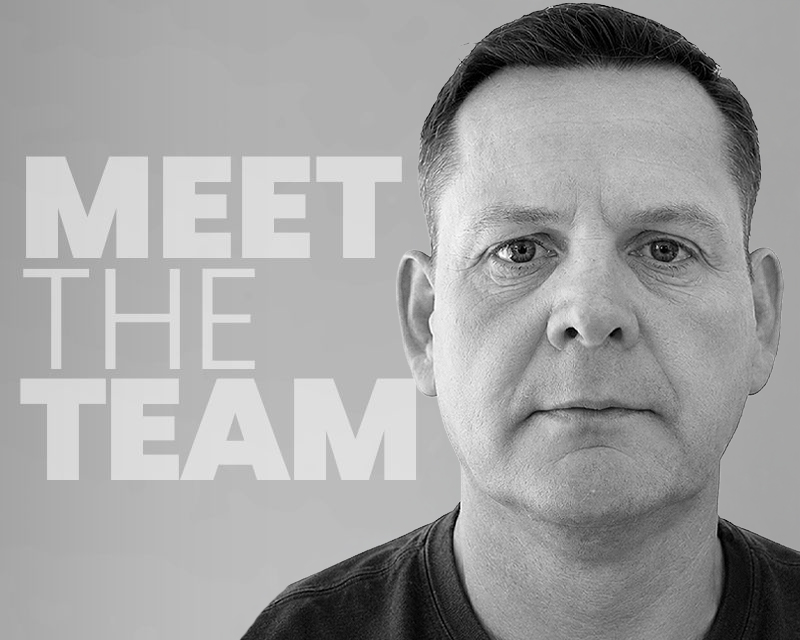
Meet the team: Richard ‘Richie’ Broaders
Meet our IE Operations Manager: Richie Broaders