


Sleep and sleep hygiene for healthcare professionals
This session provides an overview of good sleep hygiene principles and explores how poor sleep can affect daytime function both physiologically and psychologically.
Participants will develop confidence in supporting sensitive and professional conversations around relationships, intimacy, and sleep. The session equips attendees with practical, evidence-based advice to help improve sleep outcomes in a range of settings.
Learning Outcomes
- Understand the principles of good sleep hygiene.
- Recognise how poor sleep affects daytime function physiologically and psychologically.
- Understand the role of the physical sleep environment in promoting quality sleep.
- Have an awareness of Cognitive Behavioural Therapy for Insomnia (CBT-I) and when this might be appropriate.
- Support conversations about relationships, intimacy, and sleep sensitively and professionally.
- Provide practical, evidence-based sleep advice.
Meet our Experts
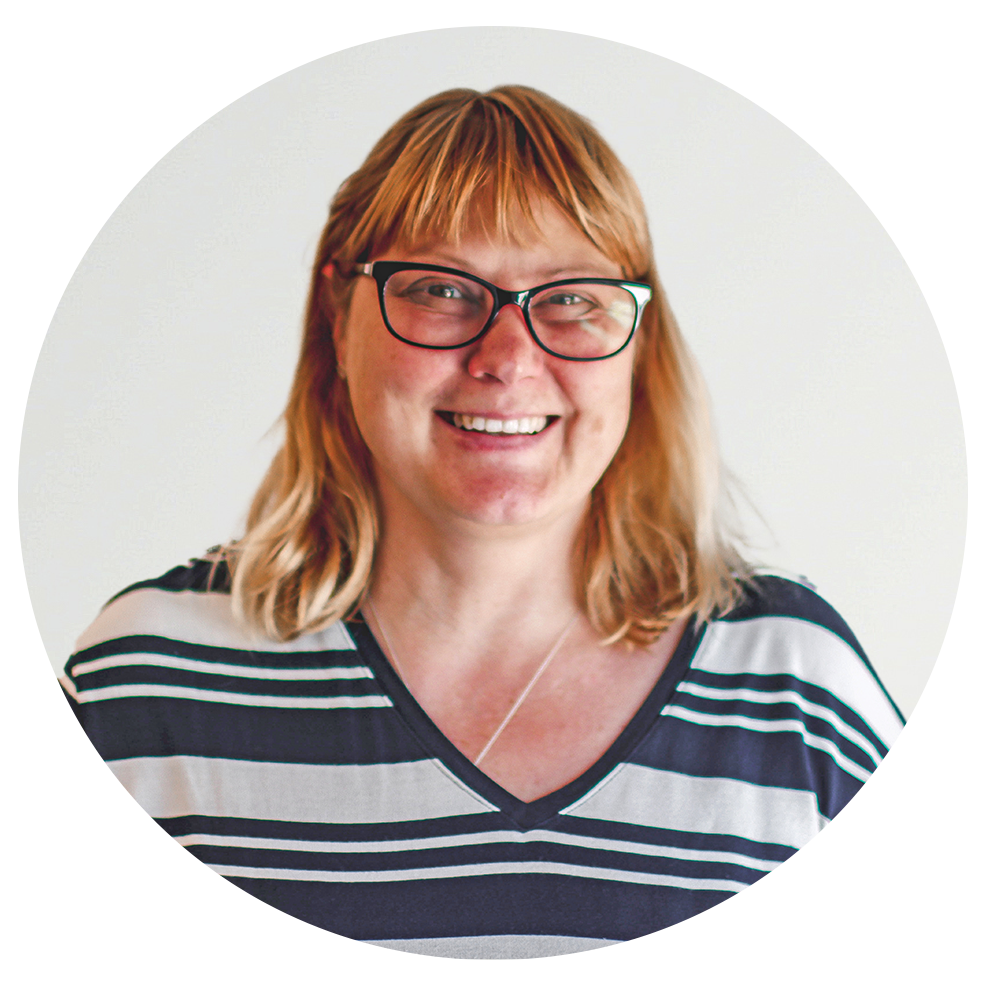
Jenny is a senior occupational therapist. She qualified in 1997 and completed her MSc in Neuro-rehabilitation in 2007. She has worked in Neurological Rehabilitation at the Battle Hospital in Reading, and the Rivermead Rehabilitation Centre in Oxford which became part of the Oxford Centre for Enablement in 2000. She moved into the Specialist Disability Service at the OCE from where she joined the Oxford MND Centre in January 2007.
Since August 2009 Jenny has been funded full-time by the Motor Neurone Disease (MND) Association to develop NHS wheelchair services across the UK, to improve wheelchair provision for people living with MND.
People who watched this also watched...
End of life care - what do I need to know?
Identifying when patients are in their last year of life can be challenging. The same can be said for recognising dying. This webinar explores what is available to help us help the people we care for to better plan for the end of their life, and when the time comes to die well. Attendees will learn about the myths associated with palliative and end of life care, and have the opportunity to ask questions towards the end of the session.
24-Hour care: the person centred approach
Join us for an upcoming webinar exploring the theme of person-centred care through a truly multidisciplinary lens. This engaging session brings together a panel of experienced clinicians and specialists to share their perspectives on what person-centred care means in practice.
Featuring Occupational Therapists Nicola Murphy and Jayne Brewer, Tissue Viability Nurse Sarah Thompson, and Accora Product Specialists Dean Curson and Tom Waplington-both formerly practising physiotherapists- this webinar offers a unique opportunity to hear from a diverse range of professional voices.
Through an open and interactive discussion, our speakers will explore how person-centred care is understood and applied across different roles and settings, offering practical insights that attendees can take back into their own practice.
OT Week: 24 hour postural care
With RCOT’s OT week this year focusing on ‘prevention and early intervention’, this webinar will look closely at identifying the risks for individuals if their posture starts to change. We will discover how early intervention can help support and maximise our patient's independence and function, and in-turn greatly reduce risks of secondary health complications.