


New year, same challenges: taking care of yourself
In this session, discover strategies to combat burnout and other challenges faced in health and social care, explore usable welling practices and learn how to create a personalised self-care action plan.
Learning Outcomes
- Learn about the current landscape for health and social care professionals regarding burnout
- Explore usable wellbeing practices and reflect on your own wellbeing
- Discover positive wellbeing and healthy work habits
- Learn how to create your own self care action plan
Meet our Experts
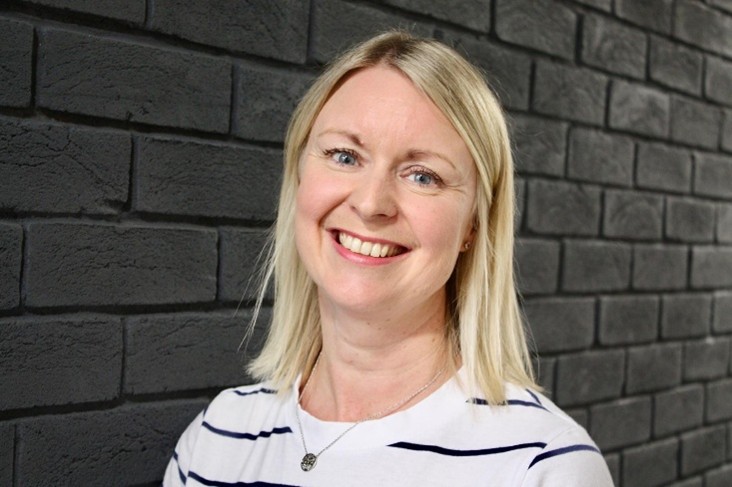
Kate Jackson is an Independent Occupational Therapist based in Leicester. She has worked in Mental Health services in the NHS, as a Lecturer in Higher Education and as a Clinical Lead Occupational Therapist in a Hospice setting, among her roles. Kate is a trained Mindfulness Teacher and has an MA in Mental Health Studies. She currently runs her practice ‘Wellbeing Therapy Solutions’ in Leicester, offering mental health focused Occupational Therapy.
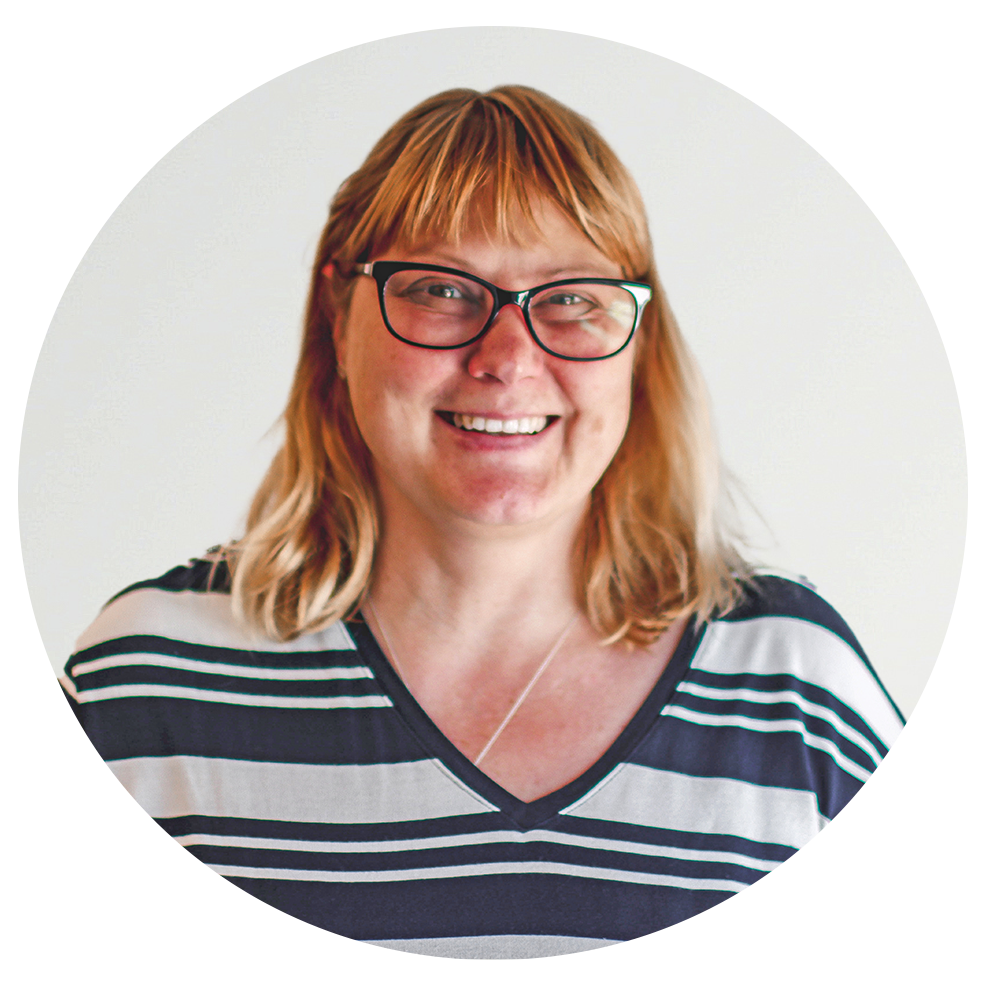
Jenny is a senior occupational therapist. She qualified in 1997 and completed her MSc in Neuro-rehabilitation in 2007. She has worked in Neurological Rehabilitation at the Battle Hospital in Reading, and the Rivermead Rehabilitation Centre in Oxford which became part of the Oxford Centre for Enablement in 2000. She moved into the Specialist Disability Service at the OCE from where she joined the Oxford MND Centre in January 2007.
Since August 2009 Jenny has been funded full-time by the Motor Neurone Disease (MND) Association to develop NHS wheelchair services across the UK, to improve wheelchair provision for people living with MND.


People who watched this also watched...
Can a single carer achieve an optimum position in a seating system when hoisting?
In this webinar, Kay James will share videoed practical solutions and tips on how single carers can achieve optimum position when hoisting. She will also discuss some of the challenges faced, as well as having an open discussion alongside our OT, Jayne Brewer.
Menopause: Is there a role for Occupational Therapy?
With growing awareness and understanding of the menopausal transition that women experience, the question arises: What role can Occupational Therapists play in supporting them? Perimenopause can significantly influence women’s participation in meaningful occupations, daily roles, and routines, and may even challenge their sense of occupational identity. Given their expertise in the value of occupation for health and wellbeing, occupational therapists are uniquely positioned to provide support during this life stage.
Keeping Everyone Safe: Infection prevention during joint visits
We look at several aspects of infection prevention and control that are crucial to patient / client safety. Evonne will explain how micro-organisms behave, their capability of surviving in the environment and the modes of transmission. We then assess the risks in what we do, and what we need to do in order to prevent the risk of new infections spreading to both the patient / client and ourselves.