


Ask Accora Anything
Join us for an interactive Accora Q&A Webinar, where you set the agenda! This session is designed to give you direct access to our experts and help you get the answers you need. Participants are invited to submit their questions in advance or during the session.
Submit your questions here.
Learning Outcomes
You can ask about:
- Seating assessments and best practice recommendations
- Accora products, features, and specifications
- Tissue Viability and pressure care considerations
- Occupational Therapy and clinical applications
- Ordering processes and delivery timelines
Whether you’re a clinician, distributor, or service provider, this is your chance to gain practical insights, clarify queries, and connect directly with the Accora team.
Meet our Experts
.png)
Chris has been an Account Manager at Accora for six years, supporting customers across the South East and London. With strong product knowledge and a hands-on approach, he works closely with clinicians and care providers to help them choose the right equipment and get the best outcomes for their service users.

Jayne qualified as an OT in 1996 and has a wide range of clinical experience in acute and community settings. Her recent experience has been in Community Equipment Stores providing training and support to prescribers and commissioners.

Nicola Murphy is a dedicated and compassionate Occupational Therapist with experience within the inpatient, outpatient, and community settings. Her experience spans across many specialities including oncology, surgery/ vascular, wheelchairs services, and elderly care.
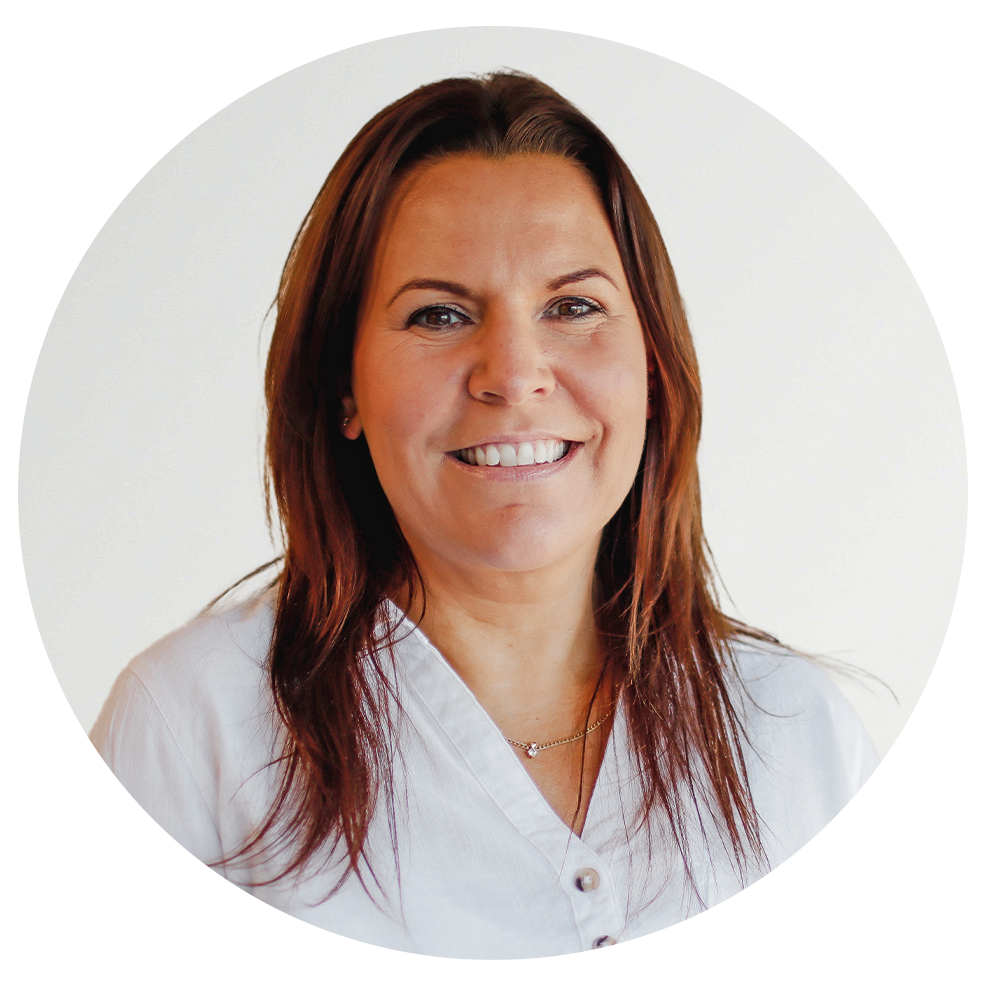
Sarah has always had a keen interest in Tissue Viability since becoming a registered nurse in 2002. Her experience varies from within a community setting, where she completed her Tissue Viability based degree in 2007. She then worked within the private sector to gain additional advanced wound care skills whilst working with a medical devices company specialised in wound healing. In 2010, Sarah became a Tissue Viability Nurse and shaped a specialised service within the acute sector for 7 years before returning to the community setting as a TVN.
Useful resources

Submit your questions for Ask Accora Anything
We’re excited to invite you to take part in our upcoming Accora Q&A webinar, where you set the agenda. This is your opportunity to ask our specialists anything- whether it’s about seating assessments, clinical considerations, product features, ordering processes, or real-world challenges you’re facing. You can submit as many as you like, and you’re welcome to remain anonymous if preferred. Our team will review all submissions and include as many as possible during the live session.
People who watched this also watched...
Menopause: Is there a role for Occupational Therapy?
With growing awareness and understanding of the menopausal transition that women experience, the question arises: What role can Occupational Therapists play in supporting them? Perimenopause can significantly influence women’s participation in meaningful occupations, daily roles, and routines, and may even challenge their sense of occupational identity. Given their expertise in the value of occupation for health and wellbeing, occupational therapists are uniquely positioned to provide support during this life stage.
The link between nutrition, pressure ulcer prevention and wound healing
Our skin is the largest organ of the body and acts as a barrier to our internal systems that are essential for our health and well-being. Within this webinar you will learn about taking positive steps with your patient’s nutrition to ensure you are doing all you can for your patients to improve their skin integrity, to give the best outcome to prevent any breakdown and if a wound or pressure damage occurs, how you can put in place strategies to heal these wounds using nutrition.
Bed standards and side rail provision – post the deadline
Following the recent popular webinar which addressed the MHRA alert on bed rails and we have decided to focus on how areas are implementing the actions set out in the National Safety Patient Alert.
Based on the feedback from the previous session we will concentrate on risk assessment around bed rails, bed levers and turning devices mentioned in the guidance.