


Sit smart: seating, positioning and pressure care in practice
For Occupational Therapists, seating and positioning are not only about posture- they directly influence skin integrity, function, participation, comfort, and long-term health outcomes. Poor alignment and inadequate support can significantly increase pressure injury risk, impact upper limb function, and limit occupational engagement.
In this webinar, we will explore how seating posture, pelvic alignment, and support surface selection influence pressure distribution in seated clients. Using an occupational therapy lens, the session will link biomechanical principles to functional performance, risk assessment, and real-world clinical decision-making.
A live demonstration using a pressure mapping system will compare alternative seating positions in real time, illustrating how subtle adjustments in pelvic positioning, trunk support, and cushion setup can dramatically change pressure distribution and risk profiles. All these factors can help better inform 24 hour positioning.
This session is ideal for Occupational Therapists working in wheelchair services, community practice, neurorehabilitation, long-term care, and complex seating provision who want to strengthen their pressure care assessment skills and intervention strategies.
Learning Outcomes
- Apply Occupational Therapy clinical reasoning to seating assessments, identifying how posture and positioning influence pressure injury risk and occupational performance.
- Recognise postural and environmental factors that contribute to increased pressure loading, including pelvic asymmetry, poor trunk control, and suboptimal support surfaces.
- Use pressure mapping data to inform seating recommendations and justify interventions, integrating findings into client-centred care planning and equipment prescription.
Meet our Experts
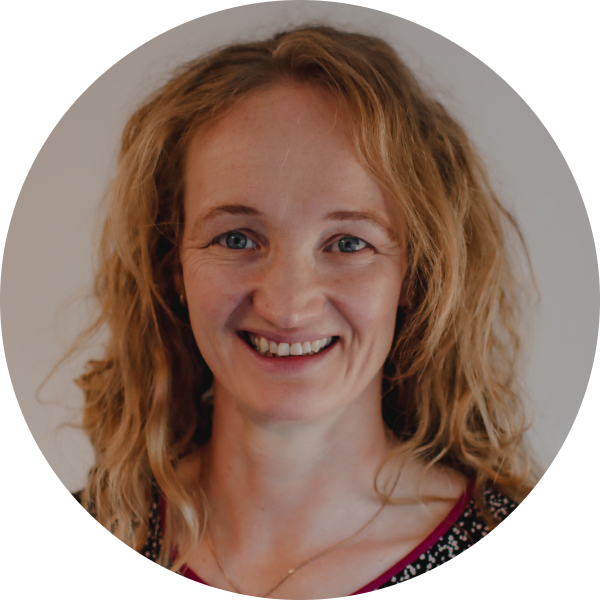
Nicky is a dedicated Occupational Therapist with over 16 years of experience, specializing in disability, posture, and seating. She has worked in both inpatient and community settings, and most recently served as a seating therapist within the HSE.
People who watched this also watched...
The link between nutrition, pressure ulcer prevention and wound healing
Our skin is the largest organ of the body and acts as a barrier to our internal systems that are essential for our health and well-being. Within this webinar you will learn about taking positive steps with your patient’s nutrition to ensure you are doing all you can for your patients to improve their skin integrity, to give the best outcome to prevent any breakdown and if a wound or pressure damage occurs, how you can put in place strategies to heal these wounds using nutrition.
How to configure a chair for my client: plus size users
In this webinar we review common seating goals and explore the additional considerations and needs of plus size users when prescribing seating. Through a live demonstration, we outline the unique mechanisms and configurable options available to meet these common complex needs within the Configura Bariatric range.
Refurbishing established care homes and keeping them marketable
In this webinar we explore how homeowners can utilise some good and economical suggestions for keeping their home to the best standard it can be, maintaining homeliness, supporting dementia residents and those with sight impairment through changes in their living environments.