


De-mystifying mattresses: what you need to know
Are the mattresses in your care setting truly fit for purpose- clinically, legally, and practically? This session will unpack the essential features of pressure prevention mattresses, helping you distinguish between regulatory requirements and optional enhancements. We’ll explore how mattress selection intersects with infection control, medical device regulations, and most importantly- the needs of the people you care for. Whether you're a clinician, manager, or procurement lead, this session will equip you to make safer, smarter choices.
Learning Outcomes
• Have some understanding of the regulatory landscape governing medical devices, including how pressure-relieving mattresses are classified and assessed.
• Be able to identify the main types of pressure prevention mattresses and their appropriate use in care settings.
• Recognise essential mattress features that support compliance with NICE guidance, CQC standards, and infection control protocols.
• Be able to consider optional mattress features- such as continuous low pressure or heel zones- and understand how they may enhance care without being mandatory.
Meet our Experts
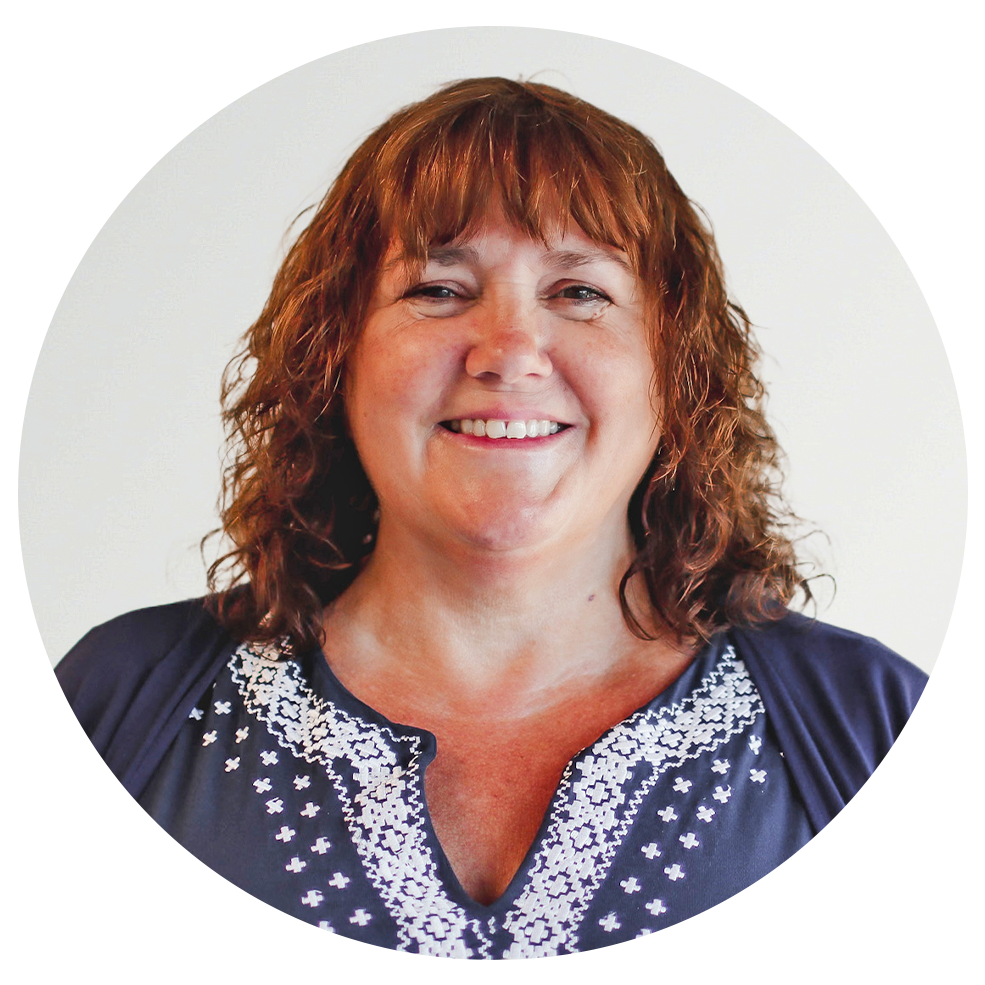
Heidi has been a Tissue Viability Nurse since 2002. Her interest and passion in the prevention and management of pressure ulcers began, however, in 1987 on registering as a nurse. She has worked in both acute and community care.
People who watched this also watched...
Designing for dementia: Facts Fiction and Finesse
In this webinar we explore dementia from a design and clinical aspect, looking at types and symptoms and how we design our care homes for the future.
Swollen legs, stolen lives: how oedema steals mobility and independence
Swollen legs are often dismissed as a minor or inevitable problem. In reality, unmanaged oedema can be the first step toward loss of mobility, independence, and quality of life.
This webinar raises awareness of how lower limb swelling triggers a downward spiral of heaviness, pain, reduced movement, muscle weakness, and fear of activity- often leading to deconditioning and patients becoming 'off-legs.' Everyday coping strategies, such as reduced walking or sleeping in a chair, can unintentionally worsen the problem.
Aimed at all healthcare professionals, this session shifts the focus from treating symptoms to recognising early warning signs and acting sooner. It highlights how simple, timely interventions can protect mobility, prevent avoidable decline, and help people remain independent for longer.
Bed standards and side rail provision – post the deadline
Following the recent popular webinar which addressed the MHRA alert on bed rails and we have decided to focus on how areas are implementing the actions set out in the National Safety Patient Alert.
Based on the feedback from the previous session we will concentrate on risk assessment around bed rails, bed levers and turning devices mentioned in the guidance.