


Clinical Corner: prevention and early intervention
This session brings together the key themes explored across our recent webinars on the prevention and early intervention.
This chatty, podcast-style webinar offers a relaxed and interactive space to revisit the most important clinical messages from the quarter. Attendees are encouraged to submit questions in advance and during the session, creating an opportunity to explore real-world challenges, clarify key concepts, and deepen understanding of best practice when supporting individuals within prevention and early intervention.
We will also highlight relevant intervention solutions and explore practical strategies for teaching and supporting others, and we will share our Prevention and early intervention guide with attendees after the session to support ongoing learning and application in practice.
Whether you joined us throughout the series or are looking for a concise and practical summary, this session will consolidate learning and provide actionable insights to apply in practice.
Learning Outcomes
By the end of this session, participants will be able to:
- Understand the principles of prevention and early intervention.
- Recognise the importance of prevention and early intervention when assessing and prescribing seating, postural care, and equipment.
- Identify key considerations for effective pressure care management within prevention and early intervention and seating strategies.
- Understand how postural care, seating, and bed-based interventions work together to support comfort, safety, and function.
- Explore the impact of early intervention on positioning, independence, and overall care delivery.
- Apply learning from case examples to strengthen assessment, decision-making, and justification in practice.
- Reflect on key messages and integrate best practice into everyday clinical and care settings.
Meet our Experts
.png)
Chris has been an Account Manager at Accora for six years, supporting customers across the South East and London. With strong product knowledge and a hands-on approach, he works closely with clinicians and care providers to help them choose the right equipment and get the best outcomes for their service users.

Jayne qualified as an OT in 1996 and has a wide range of clinical experience in acute and community settings. Her recent experience has been in Community Equipment Stores providing training and support to prescribers and commissioners.

Nicola Murphy is a dedicated and compassionate Occupational Therapist with experience within the inpatient, outpatient, and community settings. Her experience spans across many specialities including oncology, surgery/ vascular, wheelchairs services, and elderly care.
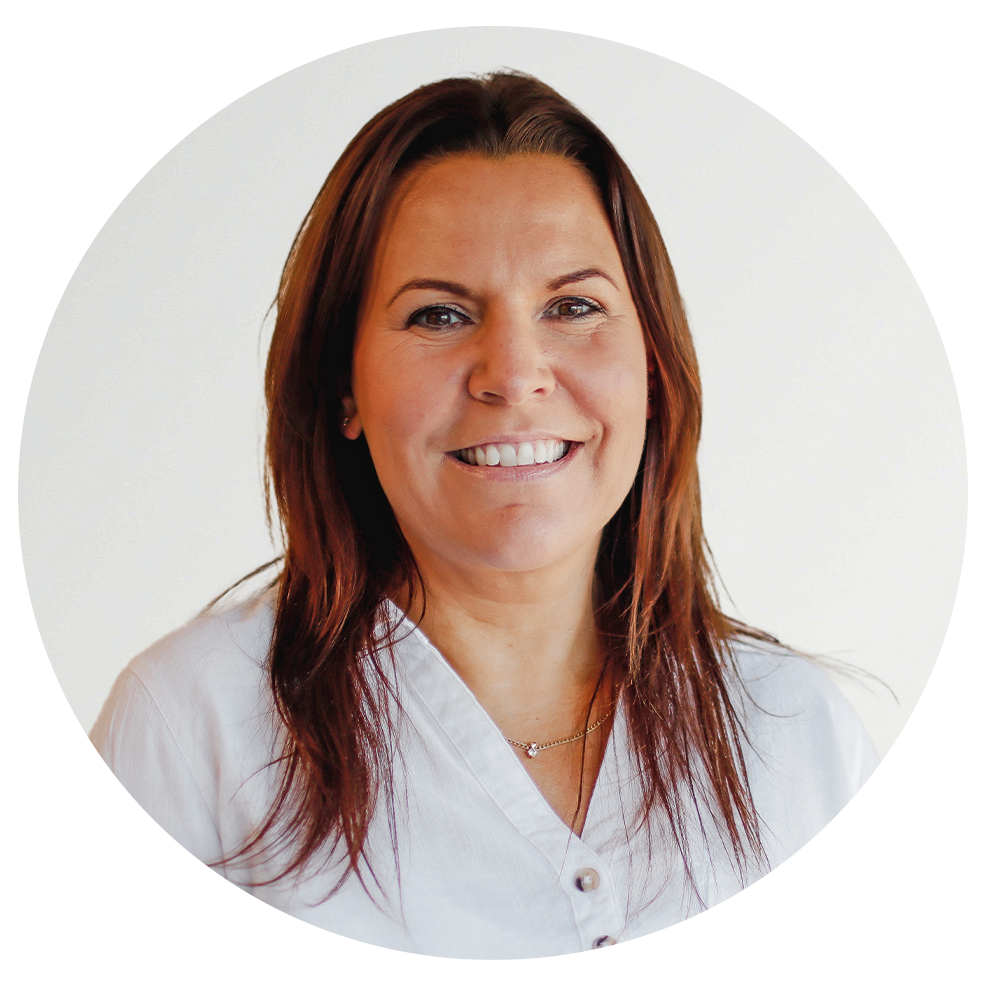
Sarah has always had a keen interest in Tissue Viability since becoming a registered nurse in 2002. Her experience varies from within a community setting, where she completed her Tissue Viability based degree in 2007. She then worked within the private sector to gain additional advanced wound care skills whilst working with a medical devices company specialised in wound healing. In 2010, Sarah became a Tissue Viability Nurse and shaped a specialised service within the acute sector for 7 years before returning to the community setting as a TVN.
People who watched this also watched...
Bed standards and siderail provision-it’s still a hot topic!
This webinar addresses the recent MHRA alert on bed rails and levers, focusing on compliance with the National Patient Safety Alert. We'll cover risk assessment essentials and alternative bed fall management solutions.
Pressure ulcers - To sit or not to sit
In this session we will explore the critical clinical reasoning process around whether you can sit out of bed with a pressure area. To celebrate OT week and Stop the pressure week, we wish to recognise the importance of collaborative working.
This session will explore the risks of sitting and the risks of staying in bed. We wish to help clients make informed seating decisions to promote comfort, healing, function and overall well being.
Let’s talk about technology enabled care: safety, prevention and independence at home through a TEC lens
As health and social care services continue to evolve, Technology Enabled Care (TEC) is playing an increasingly important role in supporting people to live safely, independently, and confidently in their own homes. This webinar will explore how digital solutions, remote monitoring, telecare, and connected technologies can enhance person-centred care, improve outcomes, and support proactive intervention.
The session will showcase practical examples of TEC in action, discuss implementation challenges and opportunities, and highlight how technology can complement clinical expertise while empowering individuals and their families.