


Building your body to last: strength, movement and skin integrity
Pressure damage prevention usually focuses on what we put around a person: the mattress, the cushion, the repositioning schedule. Far less attention goes to the person's own capacity to move, and yet that capacity is one of the strongest protective factors they have.
Someone who can shift their weight in a chair, reposition in bed or stand and walk is offloading their own tissue constantly. When strength and mobility decline, that natural protection disappears, and the risk picture changes quickly. Loss of muscle bulk also changes what sits between bone and skin, altering how pressure is distributed over the areas we worry about most.
In this session we look at strength and movement as a tissue viability intervention. We will explore how deconditioning and frailty affect skin and tissue tolerance, why periods of illness, admission or reduced activity can shift someone into a higher risk category faster than expected, and what that means for assessment and care planning.
We will also cover the practical side: how to build movement and strengthening into daily care, how seating and beds can either enable or prevent independent repositioning, and how to work with people and carers so movement becomes part of prevention.
Suitable for Tissue Viability Nurses, Occupational Therapists, nurses and anyone involved in pressure damage prevention.
Learning Outcomes
By the end of this session, attendees will be able to:
- Explain how muscle strength and the ability to move independently contribute to pressure damage prevention
- Describe the effect of deconditioning, frailty and reduced muscle mass on tissue tolerance and pressure distribution
- Recognise the point at which declining strength and mobility should change a person's pressure risk assessment
- Identify practical opportunities to build movement and strengthening activity into everyday care and meaningful occupation
- Evaluate how seating, beds and positioning can either support or remove a person's ability to reposition themselves
- Describe ways to involve people and their carers in maintaining movement as an active part of their own pressure prevention
Meet our Experts
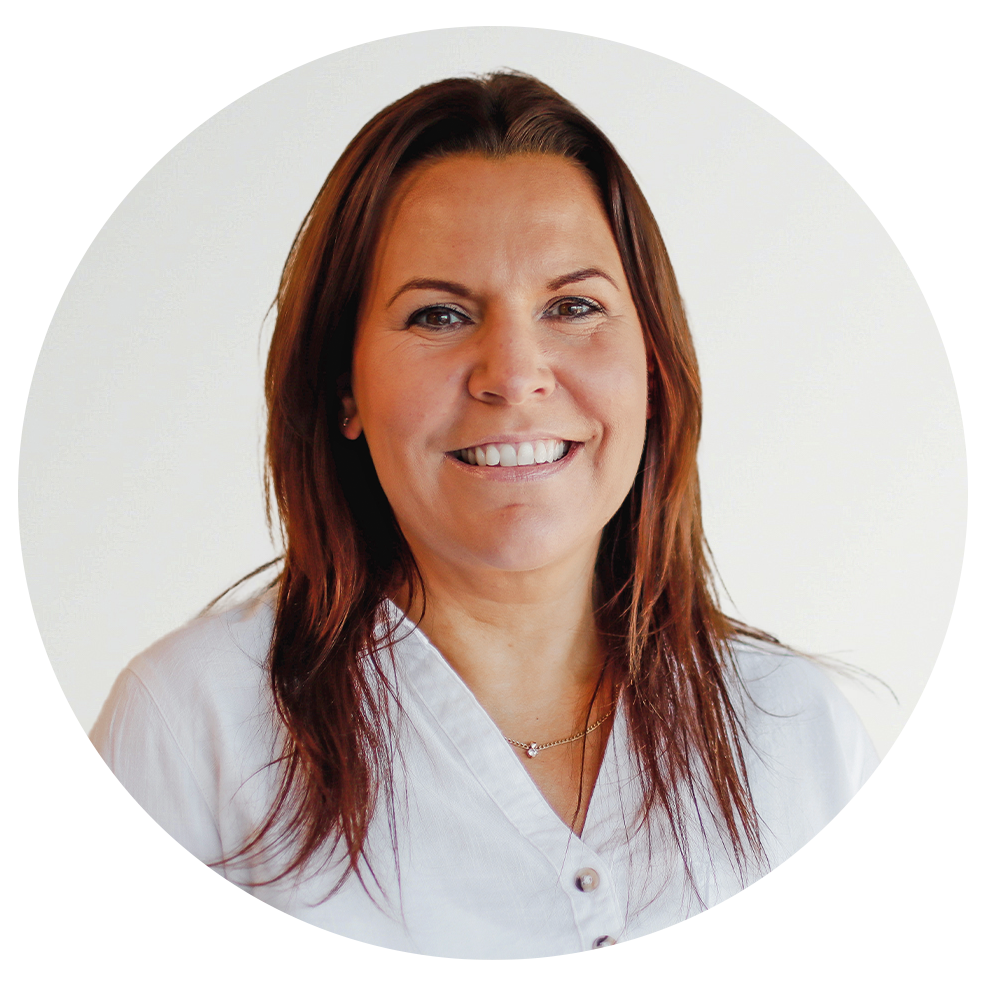
Sarah has always had a keen interest in Tissue Viability since becoming a registered nurse in 2002. Her experience varies from within a community setting, where she completed her Tissue Viability based degree in 2007. She then worked within the private sector to gain additional advanced wound care skills whilst working with a medical devices company specialised in wound healing. In 2010, Sarah became a Tissue Viability Nurse and shaped a specialised service within the acute sector for 7 years before returning to the community setting as a TVN.

People who watched this also watched...
Pressure ulcers - To sit or not to sit
In this session we will explore the critical clinical reasoning process around whether you can sit out of bed with a pressure area. To celebrate OT week and Stop the pressure week, we wish to recognise the importance of collaborative working.
This session will explore the risks of sitting and the risks of staying in bed. We wish to help clients make informed seating decisions to promote comfort, healing, function and overall well being.
Refurbishing established care homes and keeping them marketable
In this webinar we explore how homeowners can utilise some good and economical suggestions for keeping their home to the best standard it can be, maintaining homeliness, supporting dementia residents and those with sight impairment through changes in their living environments.
Sleep in a Riser Recliner
In this session we will explore the issues around people sleeping in riser recliner chairs – we will look at this issue from a functional occupational performance and a tissue viability perspective.
This session is aimed to enable health care professionals to think around this presenting issue to enable them to have a constructive discussion with people they are working with to come to an agreeable solution.