


An evaluation of continuous pressure monitoring in the community to support posture, mobility and pressure ulcer prevention strategies
The SEAMLESS team have been undertaking an evaluation of Continuous Pressure Monitoring Technology for Pressure Ulcer Prevention. This includes realist evaluation across 4 community sites, co-design of new innovations through Appreciative Inquiry and a final human factors clinical trial exploring implementation of the technology.
The team have developed a number of tools to support its use in practice, including training, implementation guides and novel algorithms which predict posture, mobility and pressure exposure to aid clinical decisions. The studies have revealed the power of biofeedback to support shared decisions and the key steps that are required to support technology integration into community practice settings.
For more information, visit the project website: Transforming Community Health. A video of the continuous pressure monitoring technology can be found here.
Learning Outcomes
By the end of this session, participants will be able to:
- Understand how continuous pressure monitoring can be implemented in the community
- Explore how algorithms can provide indicators of posture, mobility and pressure exposure
- See how shared decision making can be achieved through the technology
Meet our Experts

Pete is a Professor of Assistive Technology and Tissue Health in the School of Health Sciences, at the University of Southampton. He is a qualified physiotherapist with a PhD in bioengineering, where he developed his interest in medical device innovation.
He leads Southampton's Skin Sensing Research Group based in the Clinical Academic Facility at Southampton General Hospital. His work is funded through UKRI, NIHR, industry, charity and EU projects, with a focus on co-development and clinical evaluation of novel sensors and skin device interfaces.
He is the chair of the research committee for the European Pressure Ulcer Advisory Panel and is a board of Directors for Health Innovation Wessex.

Nicci qualified in 1987, undertaking District Nurse training in 1990. After working as DN sister Nicci commenced the District Nurse Lead nurse post. In 2001 Nicci became Strategic Lead for Tissue Viability Services in Cornwall Community. Nicci has been awarded several grants to investigate the use of Continuous Pressure Monitoring in the community to prevent pressure ulcers. The latest of which is A Scaling Up PROMISE – Pressure Reduction through Continuous Pressure Monitoring in the Community Setting could be used to enhance patient care and help patients to maintain their lifestyle choices –This work has resulted in winning “Tissue Viability Nurse of the Year” 2016 and the PROMISE teams being awarded BJN Runner Up “Wound Care Nurse of the Year” 2021. Nicci was awarded the Chief Nurse Silver Award in 2021
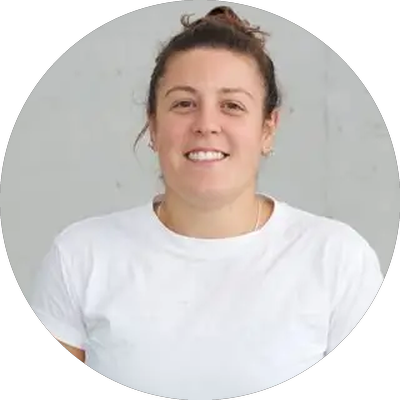
Silvia is a Lecturer in Mechanical Engineering at the University of Southampton, specialising in intelligent sensing, biomechanics, and digital health technologies.
Her research focuses on developing data-driven approaches to understand the interactions between the human body and support surfaces, with particular emphasis on evaluating how posture, mobility and tissue loading influence prevention and management of pressure ulcers. Her work combines engineering innovation with clinical and industry collaboration to develop user-centred technologies that can be successfully integrated into community healthcare settings.
Within the SEAMLESS project, Silvia led research on the analysis and interpretation of continuous pressure monitoring data, translating complex sensor information into clinically meaningful insights that support personalised care, self-management, and earlier intervention.
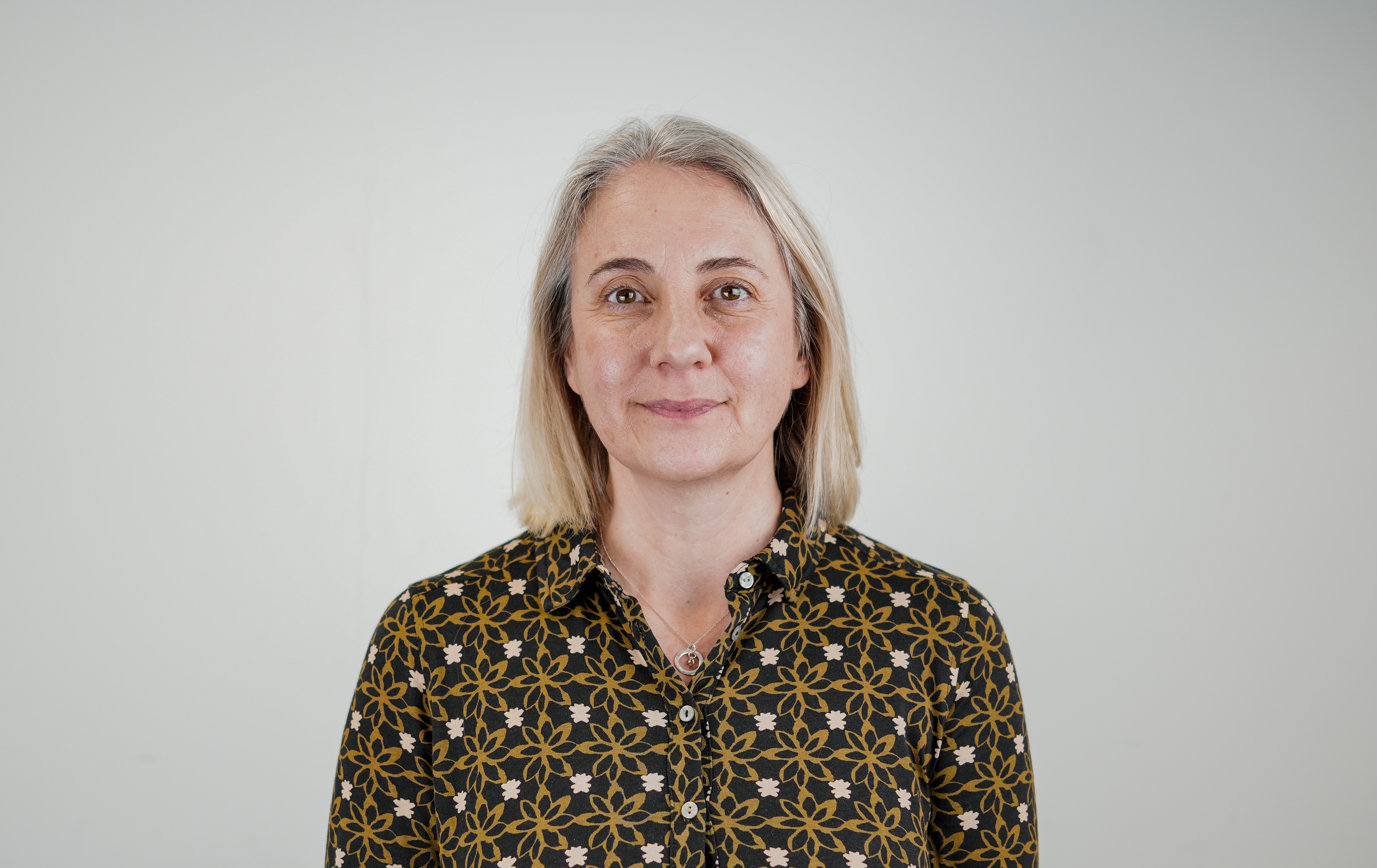
Philippa qualified as a nurse in 1997 and quickly developed a passion for tissue viability while working in a hospital setting. Over the years she expanded her expertise through further education and clinical experience, leading to her first specialist Tissue Viability role in 2010. In this position she supported a nurse-led wound service and delivered education to healthcare staff on pressure ulcer prevention, wound management and best practice in patient care.
More recently, Philippa has worked as a Tissue Viability Nurse within community services, broadening her clinical perspective and strengthening her commitment to preventative care. By joining Accora, she is excited to champion the vital role of prevention in pressure ulcer management and support improved outcomes for patients.
People who watched this also watched...
Cellulitis – what is and isn’t cellulitis and what to do about it
Cellulitis is an infection of the skin that can occur anywhere on the body. It most commonly occurs on the lower limb. It is often misdiagnosed leading to unnecessary admissions and treatment. In this session we will cover what cellulitis is, how to recognise it, how to identify skin conditions often misdiagnosed as cellulitis and how to manage it.
Pressure ulcers – definition, assessment, prevention and treatment
Pressure ulcers are a painful, debilitating condition that can, largely, be prevented. Seen as a measure of harm by NHS England/Improvement and reportable to the CQC in care home settings, understanding how best to protect those within your care from developing a pressure ulcer is an important aspect of care delivery.
Prevention of pressure ulcers is however not always easy and, in some cases, not possible. Understanding how they develop, how to recognise those at risk, how to prevent them and what to do when they do occur is vital knowledge for anyone involved in the care of those vulnerable to pressure ulcers.
Staff with different skill sets can work their way through the whole programme, or they can choose individual modules.
Prevention and early intervention: improving safety at home and reducing hospital admissions
Supporting people to remain safe at home is a key priority across health and social care. Prevention and early intervention focus on identifying risks early and taking action to reduce harm, maintain independence, and avoid escalation of need.
This practical webinar will explore how occupational therapists and clinicians can use early intervention strategies and equipment to reduce risk in the home environment. Using case-based examples, we will demonstrate how simple, timely interventions can prevent falls, reduce functional decline, and support people to remain safely at home for longer.
The session will include live demonstrations using equipment such as the floor bed and specialist seating, linking clinical reasoning to real-world outcomes.