


From assessment to application: mastering toiletting slings and standing hoists
This webinar provides occupational therapists with evidence-based guidance on the safe and effective use of toiletting slings and standing hoists in clinical and community settings. Participants will explore clinical reasoning for equipment selection, correct application techniques, and common risks associated with misuse. Through practical examples and problem-solving scenarios, the session will support therapists to optimise client safety, dignity, and functional participation while reducing the risk of injury to clients and carers.
Learning Outcomes
- Identify appropriate indications and contraindications for the use of toiletting slings and standing hoists based on client presentation, environment, and functional goals.
- Demonstrate correct selection, fitting, and positioning of toiletting slings and standing hoists to promote safety, comfort, and dignity.
- Apply clinical reasoning to recognise common errors, manage risks, and adapt equipment use to support safe transfers and toileting tasks.
Meet our Experts

Nicky is a dedicated Occupational Therapist with over 16 years of experience, specialising in disability, posture, and seating. She has worked in both in patient and community settings, and most recently served as a seating therapist within the HSE.
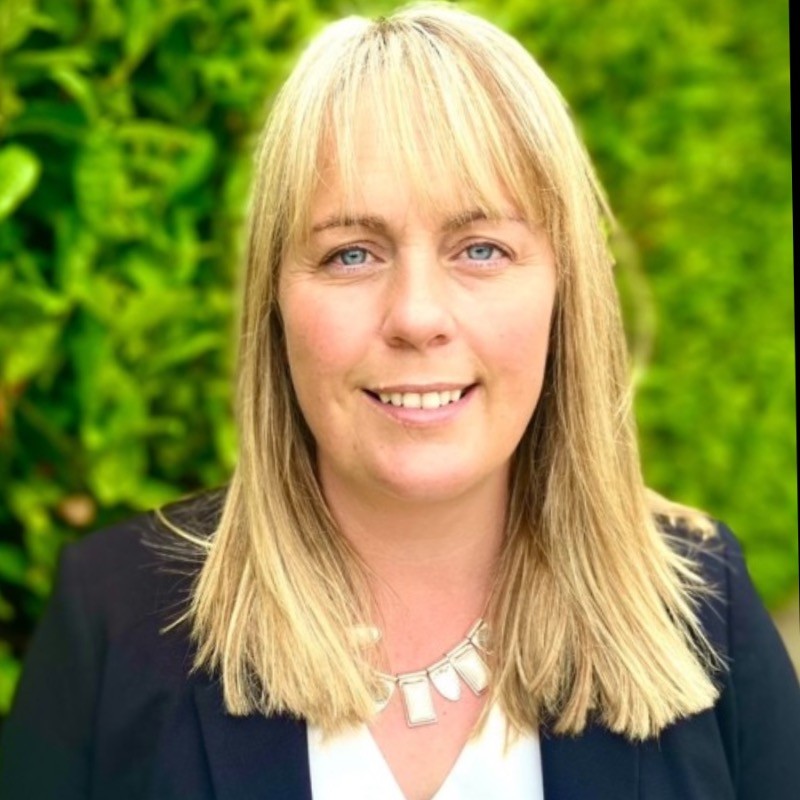
Founded AdaptAbilityTraining and Consultancy in 2022 which provides bespoke moving & handling training courses. Patricia also works as a private Occupational Therapist for adults, with over 20 yearsexperience in various settings; mental health, palliative care, intellectual & physical disability, primary care and residential care units. QQI Level 6 Qualification in People Handling completed in 2020. Member of the Associationof Occupational Therapists Ireland and Back Exchange UK. CORU registered.
People who watched this also watched...
Pressure ulcers – definition, assessment, prevention and treatment
Pressure ulcers are a painful, debilitating condition that can, largely, be prevented. Seen as a measure of harm by NHS England/Improvement and reportable to the CQC in care home settings, understanding how best to protect those within your care from developing a pressure ulcer is an important aspect of care delivery.
Prevention of pressure ulcers is however not always easy and, in some cases, not possible. Understanding how they develop, how to recognise those at risk, how to prevent them and what to do when they do occur is vital knowledge for anyone involved in the care of those vulnerable to pressure ulcers.
Staff with different skill sets can work their way through the whole programme, or they can choose individual modules.
24-Hour care: the person centred approach
Join us for an upcoming webinar exploring the theme of person-centred care through a truly multidisciplinary lens. This engaging session brings together a panel of experienced clinicians and specialists to share their perspectives on what person-centred care means in practice.
Featuring Occupational Therapists Nicola Murphy and Jayne Brewer, Tissue Viability Nurse Sarah Thompson, and Accora Product Specialists Dean Curson and Tom Waplington-both formerly practising physiotherapists- this webinar offers a unique opportunity to hear from a diverse range of professional voices.
Through an open and interactive discussion, our speakers will explore how person-centred care is understood and applied across different roles and settings, offering practical insights that attendees can take back into their own practice.
FloorBed: Reducing the risk of falls and promoting independence
This webinar delves into the benefits of the ultra-low function of the FloorBed, drawing insights from case studies. We examine the challenges encountered by users, including transfers and bed falls, and explore how the FloorBed not only provides an effective solution to these challenges but also offers financial benefits.