


Motor Neurone Disease: how Occupational Therapists can make all the difference
What is Motor Neurone Disease and why should I know more about it?
In this 45min webinar we will examine the aetiology and pathology involved with motor neurone disease. We will look at different types of presentations and how these differ in terms of physical presentation and prognosis. We will explore how MND is diagnosed and what treatment options there are currently. In addition, we will start to explore common symptoms which will require intervention to help manage to improve quality of life and extend life expectancy in people who are living with MND.
Webinar Parts

Exploring the anatomy of the ...
How health care professionals can help with the management of MND
This 45 min webinar will explore health care frameworks and occupational therapy frames of reference to help identify the role of Occupational Therapists in the management of people living with MND. In addition the NICE guidelines for the Management of MND (UK) will be used to highlight important elements of management strategies & interventions focusing on Occupational Therapy involvement. The specific symptoms experienced by people living with MND which can be helped with Occupational Therapy interventions will be explored in detail.
MND and the wider Multi professional team and how OT can make an impact in the end stages of life
The previous webinar reviewed some more common symptoms experienced by people living with MND which can be management with Occupational Therapy interventions. In this 45 minute webinar we will begin to explore the need for interdisciplinary working, excellent communication within teams and how OT interventions can impact the end of life decision and experiences of people living with MND.
The MND association
The MND Association will share an overview of their role, discuss the support available to people living with MND and their families in Ireland, and explain how they can support you as healthcare professionals.
Learning Outcomes
- Be aware of different types of presentation of MND and why this is important in relation to intervention and outcomes
- Be aware of the considerations around diagnosis and prognosis
- Have an understanding of the pathology of MND and current medication options as treatment
- Have an understanding of the role of Genetics in MND
- Have an understanding of the range of signs and symptoms experienced by people living with MND
Meet our Experts
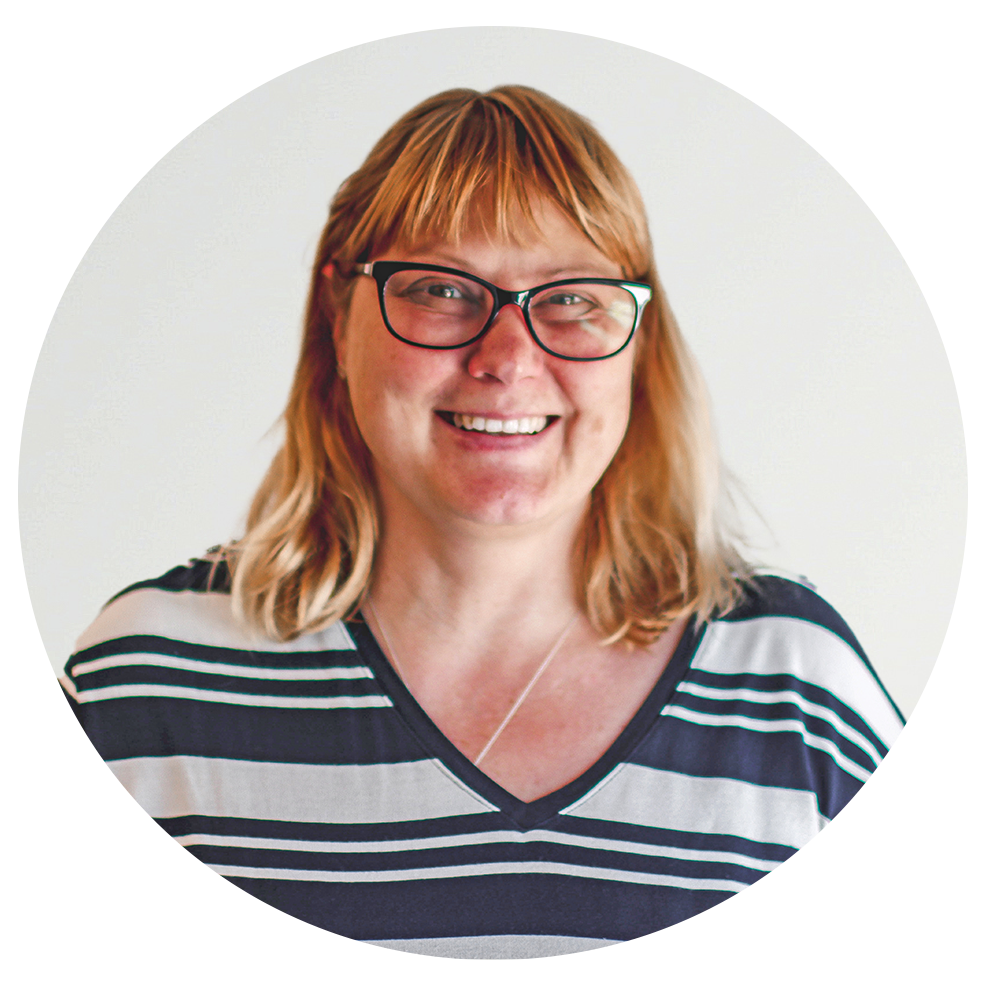
Jenny is a senior occupational therapist. She qualified in 1997 and completed her MSc in Neuro-rehabilitation in 2007. She has worked in Neurological Rehabilitation at the Battle Hospital in Reading, and the Rivermead Rehabilitation Centre in Oxford which became part of the Oxford Centre for Enablement in 2000. She moved into the Specialist Disability Service at the OCE from where she joined the Oxford MND Centre in January 2007.
Since August 2009 Jenny has been funded full-time by the Motor Neurone Disease (MND) Association to develop NHS wheelchair services across the UK, to improve wheelchair provision for people living with MND.

Nicky is a dedicated Occupational Therapist with over 16 years of experience, specialising in disability, posture, and seating. She has worked in both in patient and community settings, and most recently served as a seating therapist within the HSE.
.png)
.png)

People who watched this also watched...
The importance and impact of good transfer on seating
A wonderful multi-function chair loses its charm if the person using it has difficulties getting in and out. In this two-part webinar, we will look at improving the harmony between the person and their seating during the standing and sitting process.
Sit smart: seating, positioning and pressure care in practice
For Occupational Therapists, seating and positioning are not only about posture- they directly influence skin integrity, function, participation, comfort, and long-term health outcomes. Poor alignment and inadequate support can significantly increase pressure injury risk, impact upper limb function, and limit occupational engagement.
In this webinar, we will explore how seating posture, pelvic alignment, and support surface selection influence pressure distribution in seated clients. Using an occupational therapy lens, the session will link biomechanical principles to functional performance, risk assessment, and real-world clinical decision-making.
A live demonstration using a pressure mapping system will compare alternative seating positions in real time, illustrating how subtle adjustments in pelvic positioning, trunk support, and cushion setup can dramatically change pressure distribution and risk profiles. All these factors can help better inform 24 hour positioning.
This session is ideal for Occupational Therapists working in wheelchair services, community practice, neurorehabilitation, long-term care, and complex seating provision who want to strengthen their pressure care assessment skills and intervention strategies.
Comfort versus positioning: What is the difference and can we have both?
In this 1-hour webinar, we will explore the clinical distinctions between comfort seating and posture-protecting seating systems. Through evidence-informed discussion and practical examples, participants will gain clarity on how seating choices impact posture, function, and long-term health outcomes.
We will examine the design features and intended use of comfort seating versus posture-protecting systems, and critically evaluate their implications for individuals with complex needs. The session will also support therapists in applying clinical reasoning to seating prescriptions, balancing comfort, alignment, and participation goals.