


Ask Accora Anything
Join us for an interactive Accora Q&A Webinar, where you set the agenda! This session is designed to give you direct access to our experts and help you get the answers you need. Participants are invited to submit their questions in advance or during the session.
Submit your questions here.
Learning Outcomes
You can ask about:
- Seating assessments and best practice recommendations
- Accora products, features, and specifications
- Tissue Viability and pressure care considerations
- Occupational Therapy and clinical applications
- Ordering processes and delivery timelines
Whether you’re a clinician, distributor, or service provider, this is your chance to gain practical insights, clarify queries, and connect directly with the Accora team.
Meet our Experts
.png)
Chris has been an Account Manager at Accora for six years, supporting customers across the South East and London. With strong product knowledge and a hands-on approach, he works closely with clinicians and care providers to help them choose the right equipment and get the best outcomes for their service users.

Jayne qualified as an OT in 1996 and has a wide range of clinical experience in acute and community settings. Her recent experience has been in Community Equipment Stores providing training and support to prescribers and commissioners.

Nicola Murphy is a dedicated and compassionate Occupational Therapist with experience within the inpatient, outpatient, and community settings. Her experience spans across many specialities including oncology, surgery/ vascular, wheelchairs services, and elderly care.
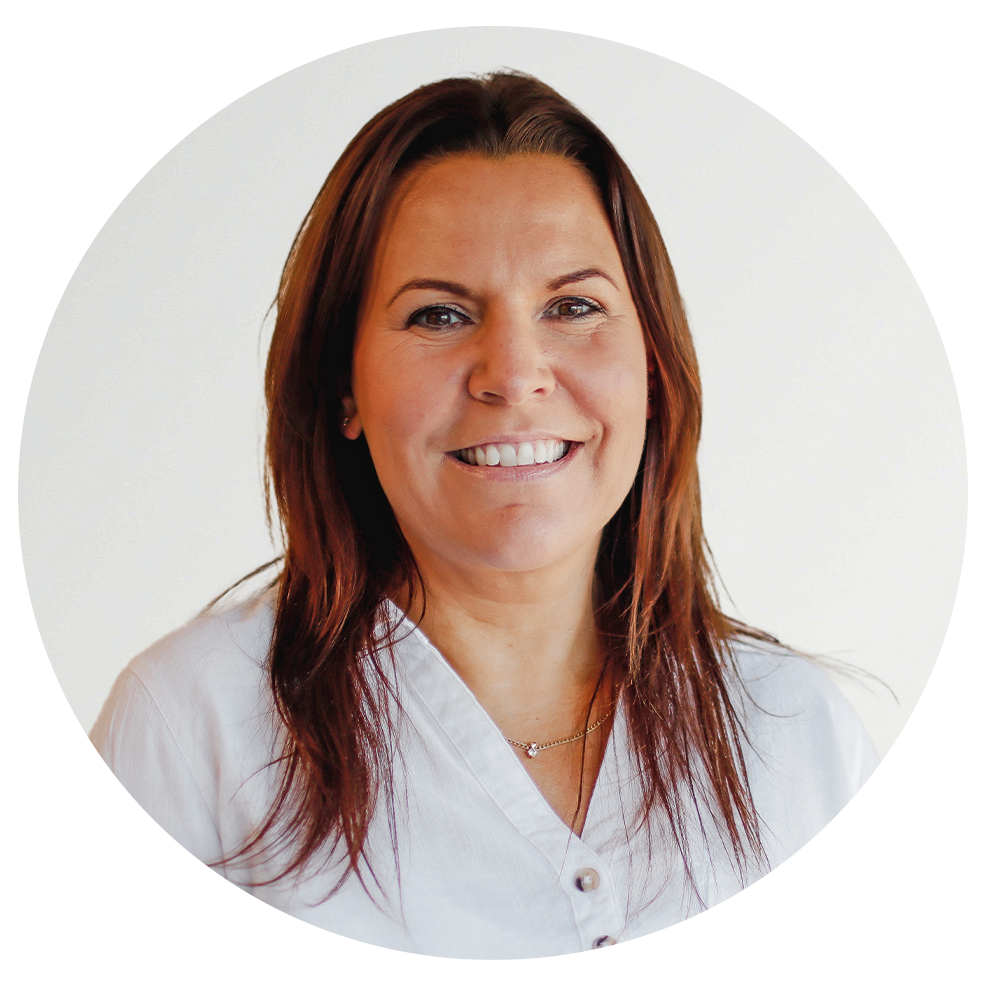
Sarah has always had a keen interest in Tissue Viability since becoming a registered nurse in 2002. Her experience varies from within a community setting, where she completed her Tissue Viability based degree in 2007. She then worked within the private sector to gain additional advanced wound care skills whilst working with a medical devices company specialised in wound healing. In 2010, Sarah became a Tissue Viability Nurse and shaped a specialised service within the acute sector for 7 years before returning to the community setting as a TVN.
Useful resources

Submit your questions for Ask Accora Anything
We’re excited to invite you to take part in our upcoming Accora Q&A webinar, where you set the agenda. This is your opportunity to ask our specialists anything- whether it’s about seating assessments, clinical considerations, product features, ordering processes, or real-world challenges you’re facing. You can submit as many as you like, and you’re welcome to remain anonymous if preferred. Our team will review all submissions and include as many as possible during the live session.
People who watched this also watched...
Bed standards and side rail provision – post the deadline
Following the recent popular webinar which addressed the MHRA alert on bed rails and we have decided to focus on how areas are implementing the actions set out in the National Safety Patient Alert.
Based on the feedback from the previous session we will concentrate on risk assessment around bed rails, bed levers and turning devices mentioned in the guidance.
Comfort versus positioning: What is the difference and can we have both?
In this 1-hour webinar, we will explore the clinical distinctions between comfort seating and posture-protecting seating systems. Through evidence-informed discussion and practical examples, participants will gain clarity on how seating choices impact posture, function, and long-term health outcomes.
We will examine the design features and intended use of comfort seating versus posture-protecting systems, and critically evaluate their implications for individuals with complex needs. The session will also support therapists in applying clinical reasoning to seating prescriptions, balancing comfort, alignment, and participation goals.
Let’s talk about technology enabled care: safety, prevention and independence at home through a TEC lens
As health and social care services continue to evolve, Technology Enabled Care (TEC) is playing an increasingly important role in supporting people to live safely, independently, and confidently in their own homes. This webinar will explore how digital solutions, remote monitoring, telecare, and connected technologies can enhance person-centred care, improve outcomes, and support proactive intervention.
The session will showcase practical examples of TEC in action, discuss implementation challenges and opportunities, and highlight how technology can complement clinical expertise while empowering individuals and their families.