


Swollen legs, stolen lives: how oedema steals mobility and independence
Swollen legs are often dismissed as a minor or inevitable problem. In reality, unmanaged oedema can be the first step toward loss of mobility, independence, and quality of life.
This webinar raises awareness of how lower limb swelling triggers a downward spiral of heaviness, pain, reduced movement, muscle weakness, and fear of activity- often leading to deconditioning and patients becoming 'off-legs.' Everyday coping strategies, such as reduced walking or sleeping in a chair, can unintentionally worsen the problem.
Aimed at all healthcare professionals, this session shifts the focus from treating symptoms to recognising early warning signs and acting sooner. It highlights how simple, timely interventions can protect mobility, prevent avoidable decline, and help people remain independent for longer.
Learning Outcomes
By the end of this session, participants will:
- Understand how oedema drives loss of mobility and independence
- Recognise behaviors and environments that worsen lower limb swelling
- Identify early intervention points to prevent patients becoming “off-legs”
- Apply practical strategies to help break the cycle
- Tools that can help: Ascenda Demonstration
Meet our Experts
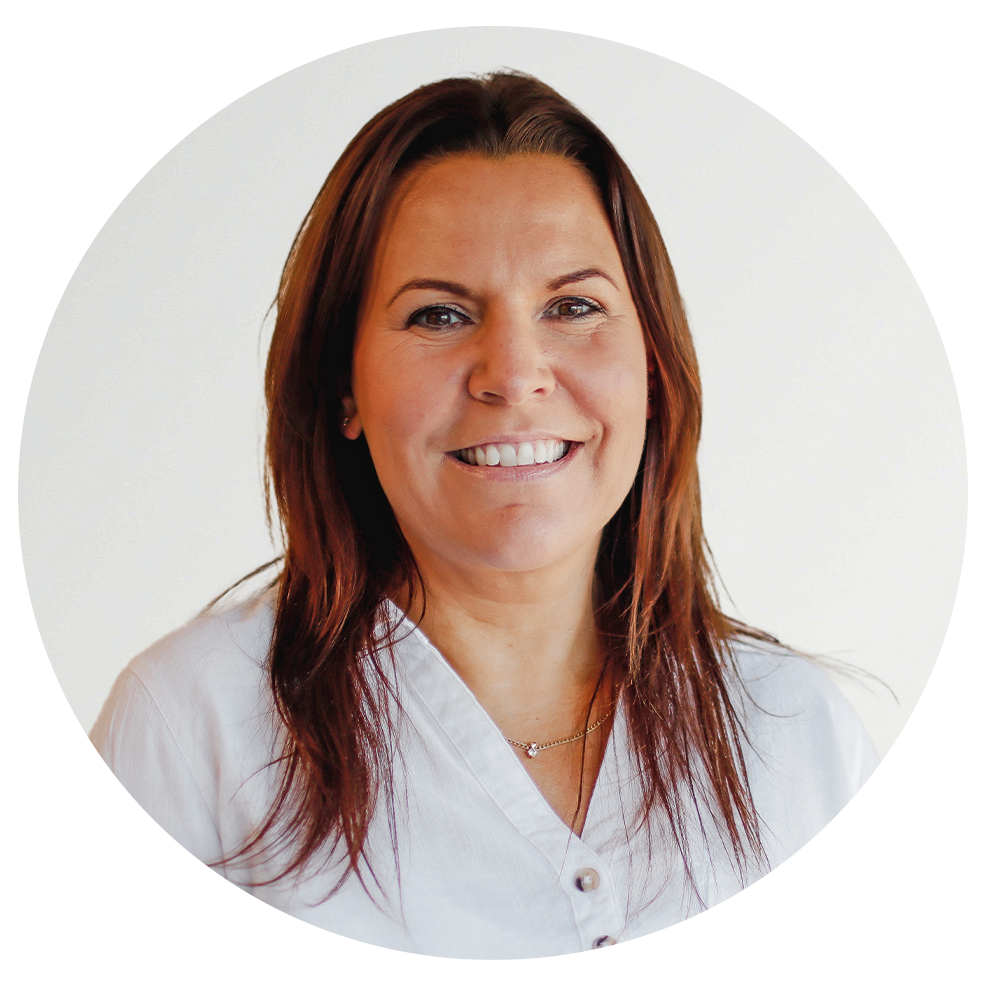
Sarah has always had a keen interest in Tissue Viability since becoming a registered nurse in 2002. Her experience varies from within a community setting, where she completed her Tissue Viability based degree in 2007. She then worked within the private sector to gain additional advanced wound care skills whilst working with a medical devices company specialised in wound healing. In 2010, Sarah became a Tissue Viability Nurse and shaped a specialised service within the acute sector for 7 years before returning to the community setting as a TVN.
People who watched this also watched...
Accora's clinical corner: sleeping in a riser recliner
This session brings together the key themes explored across our recent webinars on sleeping in a riser recliner. Over the past 3 months, we’ve examined the impact of sleeping in a riser recliner on sleep hygiene, comfort, confidence, transfers, mobility, pain management, and tissue viability.
This chatty, podcast-style webinar offers a relaxed and interactive space to revisit the most important clinical messages from the quarter. Attendees are encouraged to submit questions in advance and during the session, creating an opportunity to explore real-world challenges, clarify key concepts, and deepen understanding of best practice when supporting individuals who sleep in a riser recliner.
We will also highlight relevant intervention solutions and explore practical strategies for teaching and supporting others, and we will share our Sleeping in a Riser Recliner Guide with attendees after the session to support ongoing learning and application in practice.
Whether you joined us throughout the series or are looking for a concise and practical summary, this session will consolidate learning and provide actionable insights to apply in practice.
Please submit your questions here.
Career safety and infection control - NASHICS
This webinar focused on safety, risk reduction and infection control for carers, and those being cared for while using care home equipment.
Smarter 24-Hour care: applying clinical reasoning to seating and posture
This session will explore the essential components of conducting an effective postural assessment for seating, supporting clinicians to deliver well-informed, person-centred outcomes. It will examine the concept of clinical reasoning- what it is, why it matters, and the importance of taking a systematic approach when assessing for seating. We will consider the importance of using the correct terminology when recording gathered data and how best to present to clearly to justify equipment request.
The webinar will also focus on some examples of assessment findings and share clinically justification for decision making, sharing practical insights, tips, and best practices to strengthen confidence and consistency. Attendees will be guided through the process of gathering and recording critical assessment data, analysing key findings, and translating this information into clear, robust equipment provision recommendations that meet the needs of patients and clients.