


Sleep and sleep hygiene for healthcare professionals
This session provides an overview of good sleep hygiene principles and explores how poor sleep can affect daytime function both physiologically and psychologically.
Participants will develop confidence in supporting sensitive and professional conversations around relationships, intimacy, and sleep. The session equips attendees with practical, evidence-based advice to help improve sleep outcomes in a range of settings.
Learning Outcomes
- Understand the principles of good sleep hygiene.
- Recognise how poor sleep affects daytime function physiologically and psychologically.
- Understand the role of the physical sleep environment in promoting quality sleep.
- Have an awareness of Cognitive Behavioural Therapy for Insomnia (CBT-I) and when this might be appropriate.
- Support conversations about relationships, intimacy, and sleep sensitively and professionally.
- Provide practical, evidence-based sleep advice.
Meet our Experts
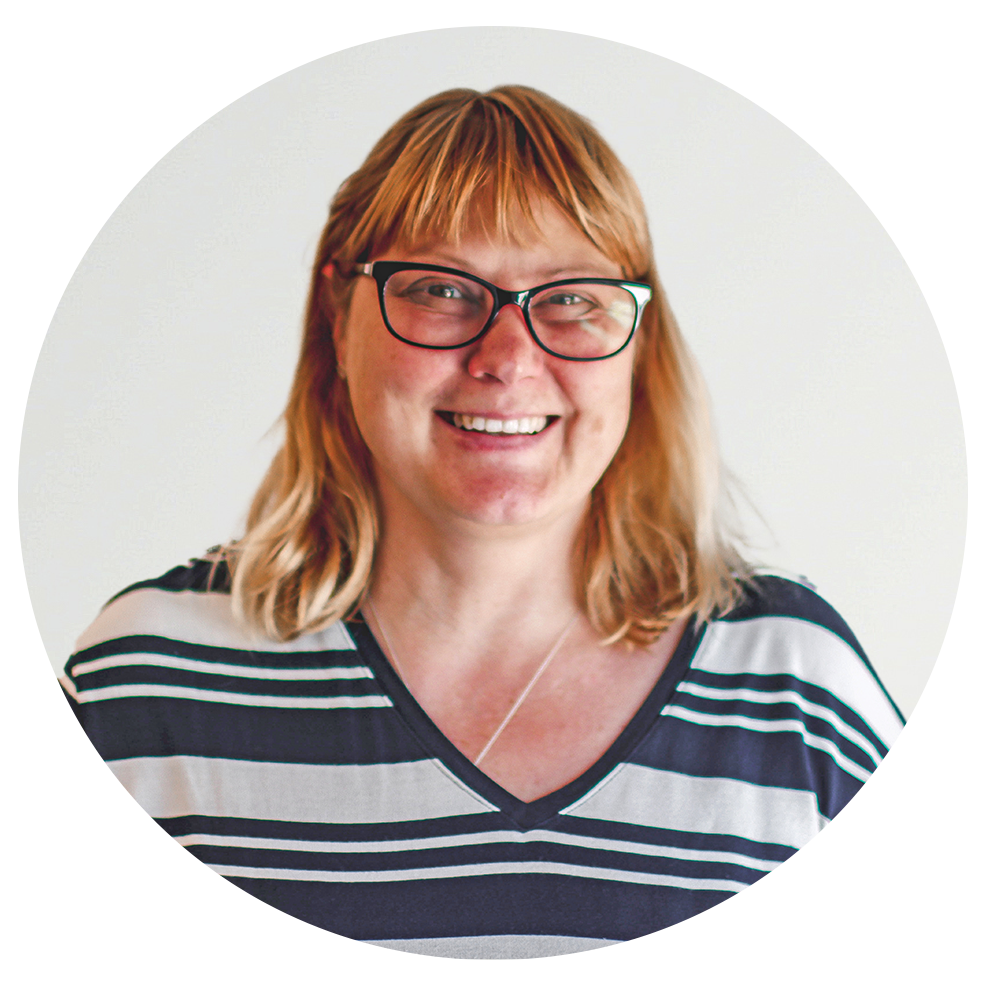
Jenny is a senior occupational therapist. She qualified in 1997 and completed her MSc in Neuro-rehabilitation in 2007. She has worked in Neurological Rehabilitation at the Battle Hospital in Reading, and the Rivermead Rehabilitation Centre in Oxford which became part of the Oxford Centre for Enablement in 2000. She moved into the Specialist Disability Service at the OCE from where she joined the Oxford MND Centre in January 2007.
Since August 2009 Jenny has been funded full-time by the Motor Neurone Disease (MND) Association to develop NHS wheelchair services across the UK, to improve wheelchair provision for people living with MND.
People who watched this also watched...
OT Week: 24 hour postural care
With RCOT’s OT week this year focusing on ‘prevention and early intervention’, this webinar will look closely at identifying the risks for individuals if their posture starts to change. We will discover how early intervention can help support and maximise our patient's independence and function, and in-turn greatly reduce risks of secondary health complications.
Simple seating solutions: case studies from practice and experience
In this webinar, Nicky Phillips is joined by Clinical Specialist Occupational Therapist Andrew Semple, founder of the Seating Clinic in Clontarf, Dublin. Andrew is a strong advocate for simple, effective seating approaches that build occupational therapists’ confidence in seating assessment and intervention.
Together, Nicky and Andrew will explore real-life case studies, discussing the clinical reasoning and decision-making processes that led to positive client outcomes. The session will also demonstrate how simple seating changes can be implemented using practical equipment solutions.
Designed for occupational therapists and other health professionals, this webinar focuses on practical, adaptable seating solutions that can be applied across home, community, and care environments.
Fatigue Management for Occupational Therapists
In this 2-part webinar, participants will gain insight into the role of Occupational Therapy (OT) in managing fatigue.