


Simple seating solutions: case studies from practice and experience
In this webinar, Nicky Phillips is joined by Clinical Specialist Occupational Therapist Andrew Semple, founder of the Seating Clinic in Clontarf, Dublin. Andrew is a strong advocate for simple, effective seating approaches that build occupational therapists’ confidence in seating assessment and intervention.
Together, Nicky and Andrew will explore real-life case studies, discussing the clinical reasoning and decision-making processes that led to positive client outcomes. The session will also demonstrate how simple seating changes can be implemented using practical equipment solutions.
Designed for occupational therapists and other health professionals, this webinar focuses on practical, adaptable seating solutions that can be applied across home, community, and care environments.
Learning Outcomes
- Identify common seating challenges for clients and recognise when simple seating solutions can improve comfort, safety, and function.
- Apply clinical reasoning to seating assessment by analysing real-life case studies and understanding the decision-making process behind effective seating interventions.
- Implement practical, adaptable seating changes using straightforward equipment solutions across home, community, and care environments.
Meet our Experts
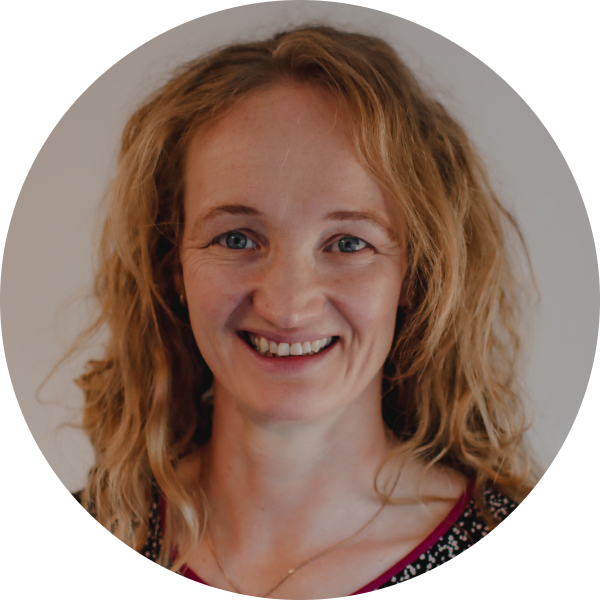
Nicky is a dedicated Occupational Therapist with over 16 years of experience, specialising in disability, posture, and seating. She has worked in both in patient and community settings, and most recently served as a seating therapist within the HSE.

Andrew Semple is an OT who has been involved in seating for more than 40 years. He set up the first seating clinic in Ireland in the CRC in 1979. He also worked as acommunity OT. He promoted seating all over Ireland and assisted setting up seating clinics in Lebanon and Pakistan. For this work he was presented with a special award by the European Seating Symposium in 2016. He was made an honorary life member of AOTI in 2024. He now educates Occupational Therapists and OT students in the basics of wheelchairs and seating by running hands-on workshops.
People who watched this also watched...
From assessment to application: mastering toiletting slings and standing hoists
This webinar provides occupational therapists with evidence-based guidance on the safe and effective use of toiletting slings and standing hoists in clinical and community settings. Participants will explore clinical reasoning for equipment selection, correct application techniques, and common risks associated with misuse. Through practical examples and problem-solving scenarios, the session will support therapists to optimise client safety, dignity, and functional participation while reducing the risk of injury to clients and carers.
Accora's clinical corner: sleeping in a riser recliner
This session brings together the key themes explored across our recent webinars on sleeping in a riser recliner. Over the past 3 months, we’ve examined the impact of sleeping in a riser recliner on sleep hygiene, comfort, confidence, transfers, mobility, pain management, and tissue viability.
This chatty, podcast-style webinar offers a relaxed and interactive space to revisit the most important clinical messages from the quarter. Attendees are encouraged to submit questions in advance and during the session, creating an opportunity to explore real-world challenges, clarify key concepts, and deepen understanding of best practice when supporting individuals who sleep in a riser recliner.
We will also highlight relevant intervention solutions and explore practical strategies for teaching and supporting others, and we will share our Sleeping in a Riser Recliner Guide with attendees after the session to support ongoing learning and application in practice.
Whether you joined us throughout the series or are looking for a concise and practical summary, this session will consolidate learning and provide actionable insights to apply in practice.
Please submit your questions here.
Sleep and sleep hygiene for healthcare professionals
This session provides an overview of good sleep hygiene principles and explores how poor sleep can affect daytime function both physiologically and psychologically.
Participants will develop confidence in supporting sensitive and professional conversations around relationships, intimacy, and sleep. The session equips attendees with practical, evidence-based advice to help improve sleep outcomes in a range of settings.