


Integrating assistive technology and specialised seating
Discover the powerful synergy between assistive technology and specialised seating systems in this practical and informative webinar. Designed for therapists and carers, this session will demonstrate how integrating tools can greatly enhance mobility, communication, and independence for individuals with complex needs.
Using real-world examples and case studies, participants will learn how to choose and coordinate devices that work seamlessly together- without adding unnecessary complexity.
This webinar is ideal for therapists who are new to assistive technology as well as those experienced in seating provision who want to expand their skills in setting up environmental control or communication devices.
Learning Outcomes
- Identify key categories of assistive technology and specialised seating systems, and understand how each addresses different functional needs.
- Evaluate how specific devices- ranging from low-tech to high-tech- can work together to support posture, communication, and access to learning or daily activities.
- Apply practical integration strategies to design customised, interdisciplinary solutions that enhance comfort, engagement, and independence for the user.
Meet our Experts
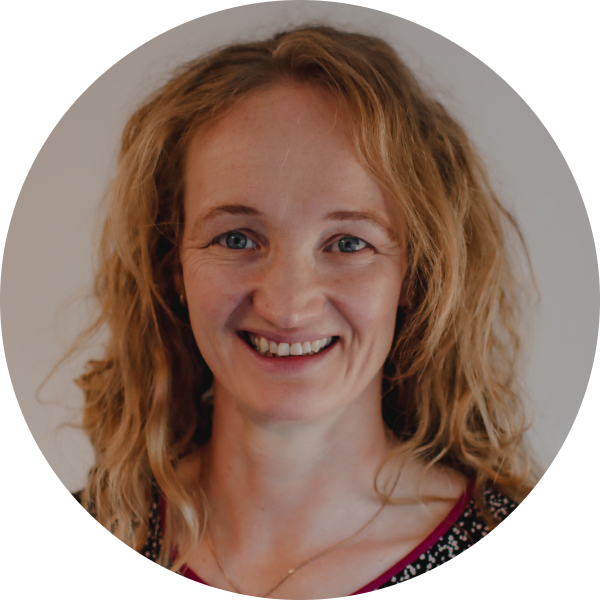
Nicky is a dedicated Occupational Therapist with over 16 years of experience, specializing in disability, posture, and seating. She has worked in both inpatient and community settings, and most recently served as a seating therapist within the HSE.
People who watched this also watched...
More than management: benefits of early recognition and intervention in adult dysphagia
Dysphagia affects millions of adults and is associated with significant health risks, including reduced quality of life, aspiration pneumonia, malnutrition, dehydration and avoidable hospital admissions. While assessment and management of established dysphagia are well recognised, it is clear that a proactive MDT approach can support longer term health outcomes.
This webinar explores some of the evidence underpinning this proactive approach. We will examine risk factors for dysphagia, recognise early clinical indicators, and consider how timely intervention can reduce complications and support person-centred care. The session will also highlight the role of multidisciplinary working, oral health, nutrition, rehabilitation, and education in preventing dysphagia-related morbidity.
Simple seating solutions: case studies from practice and experience
In this webinar, Nicky Phillips is joined by Clinical Specialist Occupational Therapist Andrew Semple, founder of the Seating Clinic in Clontarf, Dublin. Andrew is a strong advocate for simple, effective seating approaches that build occupational therapists’ confidence in seating assessment and intervention.
Together, Nicky and Andrew will explore real-life case studies, discussing the clinical reasoning and decision-making processes that led to positive client outcomes. The session will also demonstrate how simple seating changes can be implemented using practical equipment solutions.
Designed for occupational therapists and other health professionals, this webinar focuses on practical, adaptable seating solutions that can be applied across home, community, and care environments.
A wedge-tastic webinar with Kay James
In this webinar, Kay James will share with you all the different ways that you can use a positioning wedge to facilitate independence, enablement, optimal handed care and meet people’s care needs with comfort and dignity.