


Evidence-informed postural and mobility care for children with non-ambulant cerebral palsy
This webinar will focus on children with cerebral palsy who are classified at Gross Motor Function Classification System (GMFCS) Levels IV and V. Functional independent and interdependent mobility, and postural care are critical components of health, developmental exploration, and social participation for this population. The focus will be expanded from supportive positioning in lying, sitting and standing, to activities of daily living and natural routines, promoting supported stepping, mobility and physical activity.
Participants will explore evidence-based strategies to assess, prescribe, and implement adaptive positioning and mobility technologies, focusing on promoting movement opportunities, optimizing hip and spinal integrity, and mitigating secondary musculoskeletal complications. Video and photo case stories will illustrate evidence-informed implementation of these principles.
Learning Outcomes
By the end of this course, participants will be able to:
- Describe the population that can benefit from evidence-informed postural and mobility care.
- Describe at least two benefits of hip surveillance and early detection of hip and knee contractures.
- List three positioning practices that are associated with decreased contractures, pain and deformity.
Meet our Experts

Ginny Paleg, PT, MPT, DScPT, is a pediatric physiotherapist based in Silver Spring, Maryland, USA. With over 40 years of experience, she specializes in working with infants and young children (0-3 years) in home and childcare settings, focusing on the F-words framework to guide her practice. She is an associate of CanChild at McMaster in Canada and an Honorary Research Fellow in the School of Health Sciences, College of Health Sciences, University of Kwazulu-Natal, Westville Campus, Durban, South Africa.
Dr. Paleg earned her Master's in Physical Therapy from Emory University and her Doctorate in Physical Therapy from the University of Maryland Baltimore. Her clinical expertise lies in assessing and intervening for children with severe motor impairments, particularly those at GMFCS Levels IV and V. She is certified in the Prechtl General Movement Assessment (GMA) and the Hammersmith Infant Neurological Examination (HINE), and trained in Routines-Based Interventions and coaching methodologies.
Dr. Paleg is a prolific researcher with over 60 peer-reviewed publications focusing on standers, supported stepping devices, and power mobility in children with complex needs. She is the lead author for the American Academy of Cerebral Palsy Hypotonia Care Pathway and has served in various leadership roles within the field, including Chair of the AACPDM Communications Committee, member of the Nominating Committee, and member of the Scientific Committees for both the AACPDM and the European Academy of Child Neurology (EACD) in 2022. Currently, she serves on the AACPDM Care Pathway Council.

Roslyn Livingstone is an occupational therapist based in British Columbia, Canada, with more than 30 years’ experience working with children with complex disabilities. She has a Masters in Rehabilitation Science from McMaster University, and is currently pursuing doctoral studies at University of KwaZulu-Natal, South Africa. She is an Investigator with BC Children’s Hospital Research Institute, and a Clinical Assistant Professor at University of British Columbia. Ros collaborates with international colleagues on research and education primarily related to children with non-ambulant cerebral palsy and has more than 30 peer-reviewed publications on adaptive seating, standing, stepping and power mobility device use.
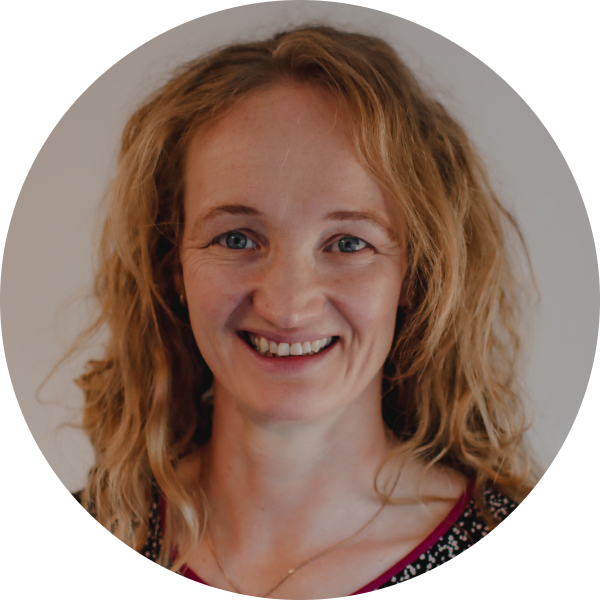
Nicky is a dedicated Occupational Therapist with over 16 years of experience, specializing in disability, posture, and seating. She has worked in both inpatient and community settings, and most recently served as a seating therapist within the HSE.
People who watched this also watched...
Postural management: Exploring solutions
Based on the principles of postural management, Jenny provides some solutions to complex posture management needs.
Pressure ulcers – definition, assessment, prevention and treatment
Pressure ulcers are a painful, debilitating condition that can, largely, be prevented. Seen as a measure of harm by NHS England/Improvement and reportable to the CQC in care home settings, understanding how best to protect those within your care from developing a pressure ulcer is an important aspect of care delivery.
Prevention of pressure ulcers is however not always easy and, in some cases, not possible. Understanding how they develop, how to recognise those at risk, how to prevent them and what to do when they do occur is vital knowledge for anyone involved in the care of those vulnerable to pressure ulcers.
Staff with different skill sets can work their way through the whole programme, or they can choose individual modules.
Mental Capacity Act
This session on the Mental Capacity Act will pick up on common questions asked by Occupational Therapists.