


Stop the pressure week: why every move matters
This November, the Stop the Pressure campaign asks us to think about movement, and the message is that every move matters. From repositioning and mobilisation through to early intervention and collaborative care, each decision we make has the potential to prevent pressure damage.
In this session we look at the six action areas at the heart of this year's campaign: physical, clinical, team, environmental, smart and patient moves. We will explore what each one looks like in day to day practice, where the common barriers sit, and the practical changes that make the biggest difference to the people you support.
Whether you work in hospital, community or care home settings, you will leave with actions you can apply straight away.
Learning Outcomes
By the end of this session, attendees will be able to:
- Explain why movement is central to pressure ulcer prevention and identify opportunities for safe movement, repositioning, and pressure redistribution in practice.
- Use individual assessment and evidence-based practice to support clinical decision-making, early intervention, and person-centred pressure care.
- Recognise the importance of multidisciplinary working and engaging patients and carers as active partners in pressure damage prevention.
Meet our Experts:
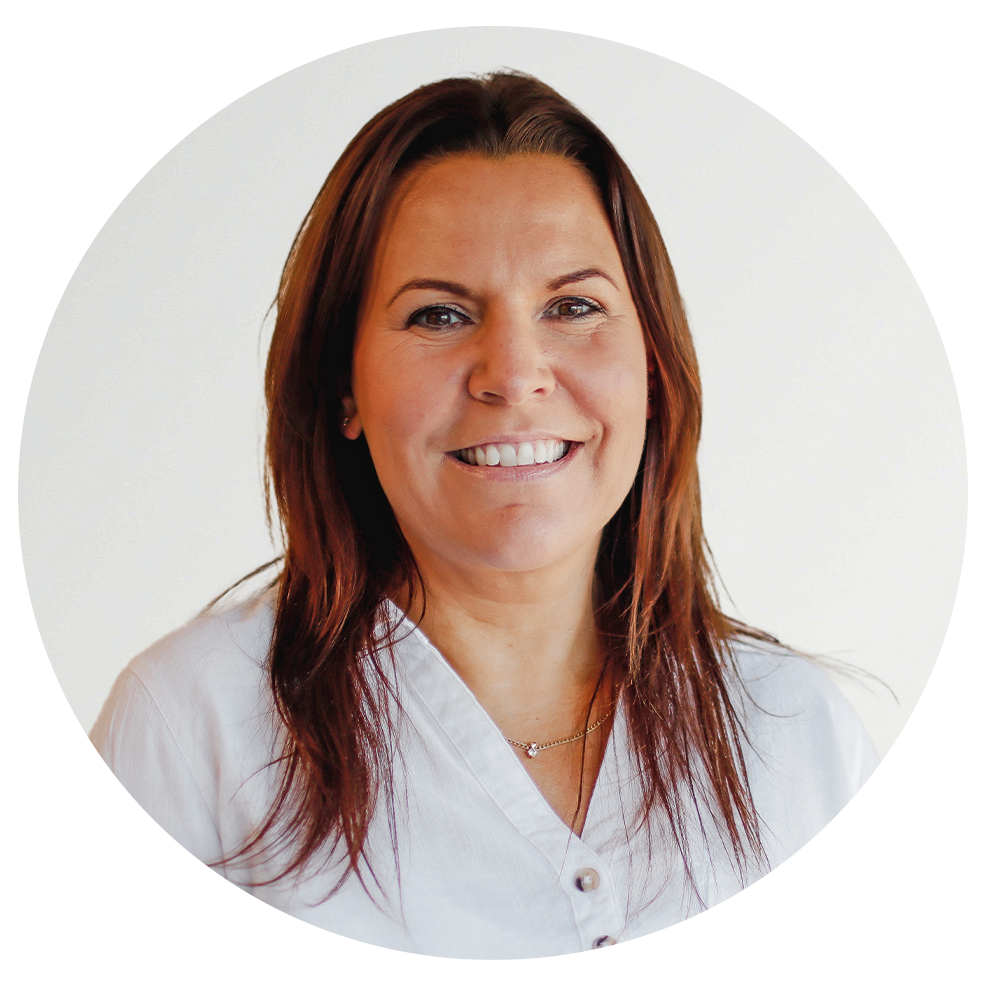
Sarah Thompson
Sarah has always had a keen interest in Tissue Viability since becoming a registered nurse in 2002. Her experience varies from within a community setting, where she completed her Tissue Viability based degree in 2007. She then worked within the private sector to gain additional advanced wound care skills whilst working with a medical devices company specialised in wound healing. In 2010, Sarah became a Tissue Viability Nurse and shaped a specialised service within the acute sector for 7 years before returning to the community setting as a TVN.
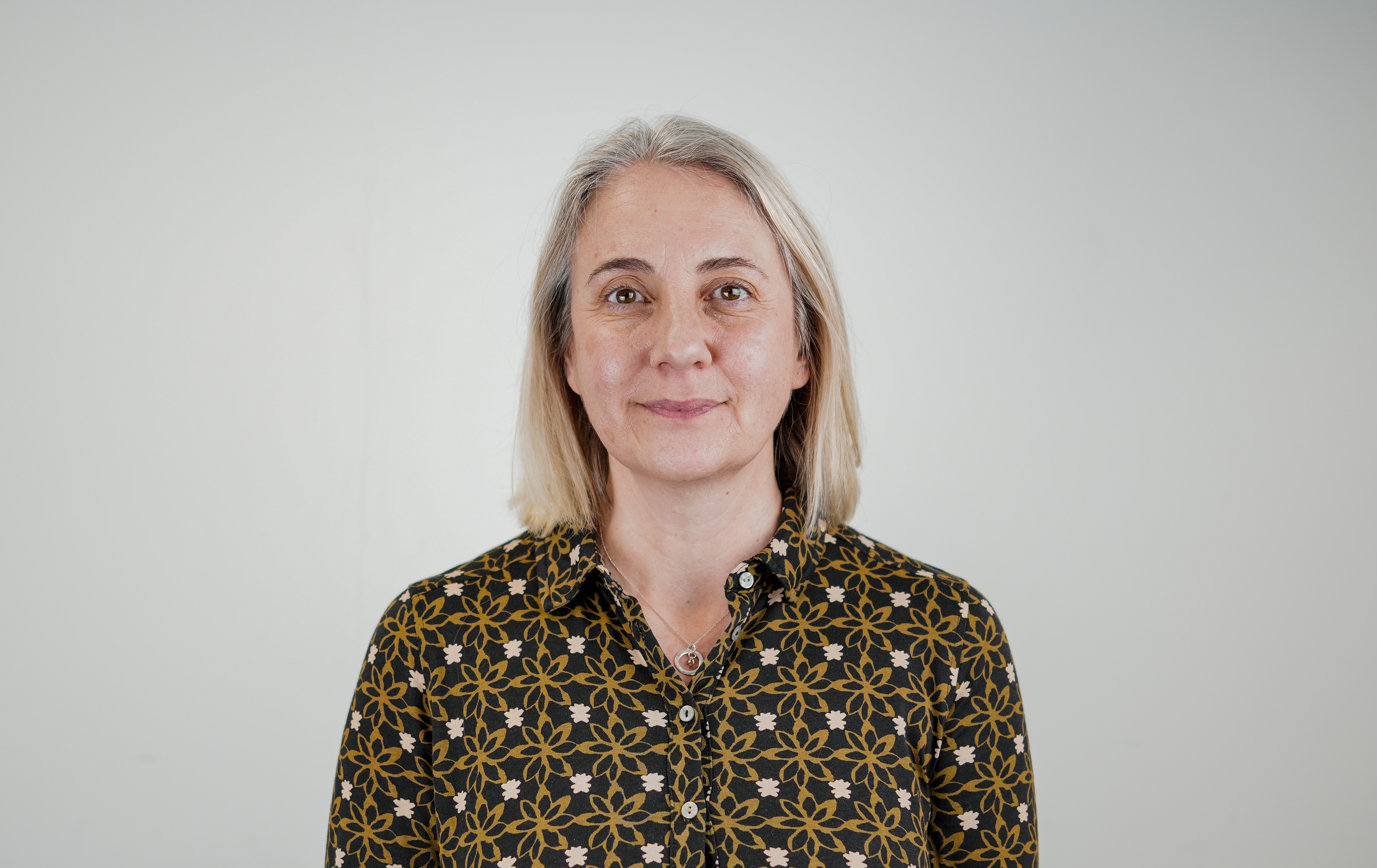
Philippa Clark
Philippa qualified as a nurse in 1997 and quickly developed a passion for tissue viability while working in a hospital setting. Over the years she expanded her expertise through further education and clinical experience, leading to her first specialist Tissue Viability role in 2010. In this position she supported a nurse-led wound service and delivered education to healthcare staff on pressure ulcer prevention, wound management and best practice in patient care.
More recently, Philippa has worked as a Tissue Viability Nurse within community services, broadening her clinical perspective and strengthening her commitment to preventative care. By joining Accora, she is excited to champion the vital role of prevention in pressure ulcer management and support improved outcomes for patients.
.png)