


Concepts behind an evidence-based falls prevention programme for older people: Stepping On
Megan Swann is a Consultant Occupational Therapist Master Trainer and Co-author of the Stepping On falls prevention programme in Australia NSW. She has over 30 years of experience. Stepping On, an evidence based programme, aims to equip participants with the knowledge, strength and confidence to prevent falls, stay active and remain independent.
The programme whilst founded in Australia by two Occupational Therapists is also now in 17 states of the US and a manual has been written for Spanish speakers in the US: www.steppingon.com.
She continues to run and train allied health workers to become Stepping On facilitators.
Learning Outcomes
- Have a brief introduction of the Stepping On programme.
- Have an understanding of fear of falling in community-based older people.
- Have an understanding of why the concepts behind Stepping On build confidence in older people and thus reduce the risk of falling.
Meet our Experts
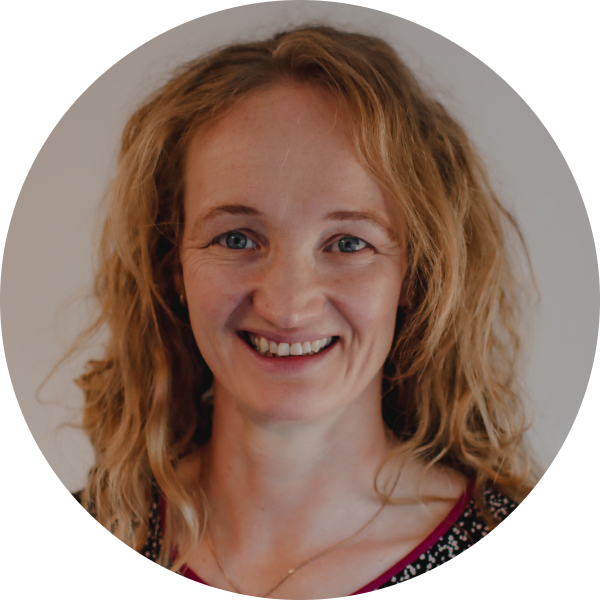
Nicky is a dedicated Occupational Therapist with over 16 years of experience, specializing in disability, posture, and seating. She has worked in both inpatient and community settings, and most recently served as a seating therapist within the HSE.

Megan Swann is a Consultant Occupational Therapist Master trainer and Co-author of the Stepping On falls prevention programme in Australia NSW. She has over 30 years of experience.
People who watched this also watched...
24-Hour care: the person centred approach
Join us for an upcoming webinar exploring the theme of person-centred care through a truly multidisciplinary lens. This engaging session brings together a panel of experienced clinicians and specialists to share their perspectives on what person-centred care means in practice.
Featuring Occupational Therapists Nicola Murphy and Jayne Brewer, Tissue Viability Nurse Sarah Thompson, and Accora Product Specialists Dean Curson and Tom Waplington-both formerly practising physiotherapists- this webinar offers a unique opportunity to hear from a diverse range of professional voices.
Through an open and interactive discussion, our speakers will explore how person-centred care is understood and applied across different roles and settings, offering practical insights that attendees can take back into their own practice.
Accora's Clinical Corner: the 24-Hour approach to care
This session brings together the key themes explored across our recent webinars on the 24-Hour approach to care. Over the past 3 months, we’ve examined the impact this can have on person-centred care, manual handling, clinical reasoning, tissue viability and postural care.
This chatty, podcast-style webinar offers a relaxed and interactive space to revisit the most important clinical messages from the quarter. Attendees are encouraged to submit questions in advance and during the session, creating an opportunity to explore real-world challenges, clarify key concepts, and deepen understanding of best practice when supporting individuals within the 24-Hour period.
We will also highlight relevant intervention solutions and explore practical strategies for teaching and supporting others, and we will share our 24-Hour care guide with attendees after the session to support ongoing learning and application in practice.
Whether you joined us throughout the series or are looking for a concise and practical summary, this session will consolidate learning and provide actionable insights to apply in practice.
Please submit your questions here.
Introducing the JuniorBed - reducing risk for smaller individuals
In this webinar, we will provide an overview of the children's standard (BS EN:50637 2017), introduce the features, functions, and accessories of the JuniorBed range, and explore the clinical benefits of the ultra-low FloorBed® function.