


Posture management, Tissue viability, or clinical reasoning issues? Ask the panel
We have really enjoyed choosing topics and working with a range of speakers to provide a varied and interesting webinar programme to enhance your learning, but now we want to give you the opportunity to set the scene and ask your questions to our panel of experts.
Learning Outcomes
Your question drive this session.
Meet our Experts
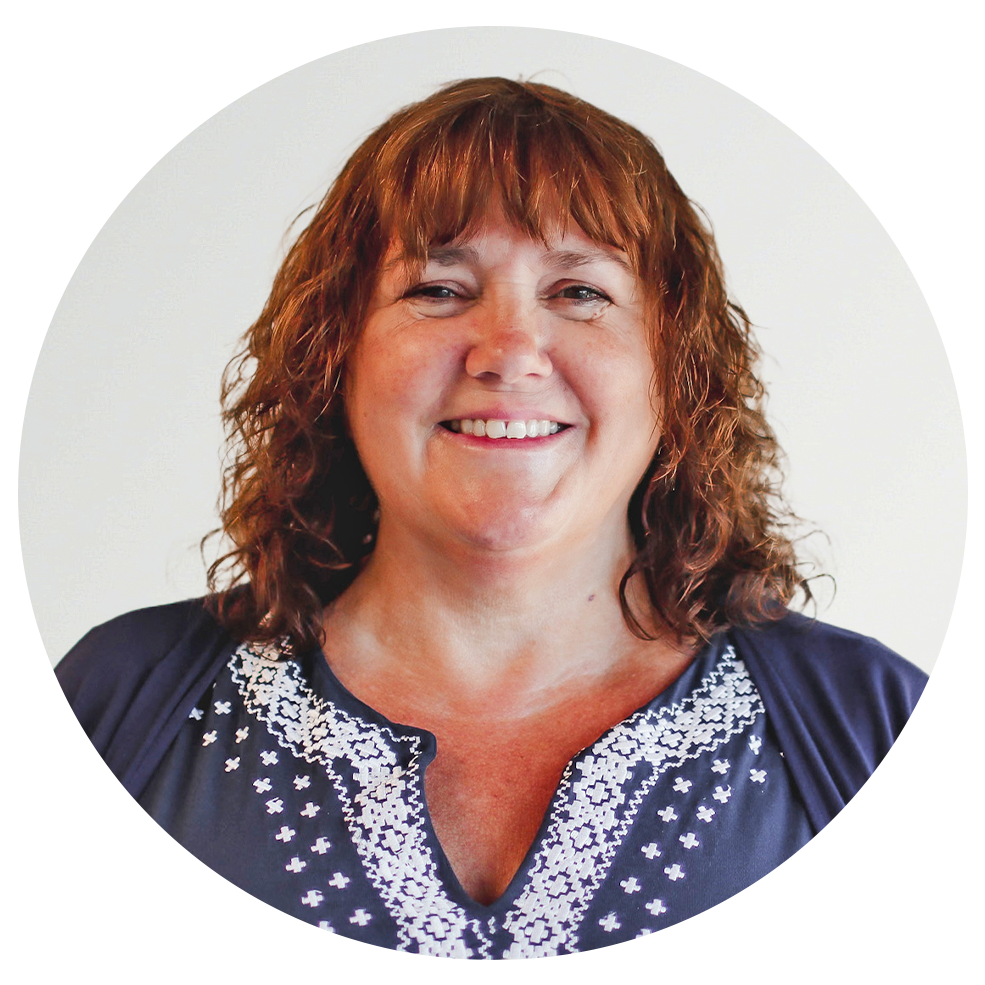
Heidi has been a Tissue Viability Nurse since 2002. Her interest and passion in the prevention and management of pressure ulcers began, however, in 1987 on registering as a nurse. She has worked in both acute and community care.
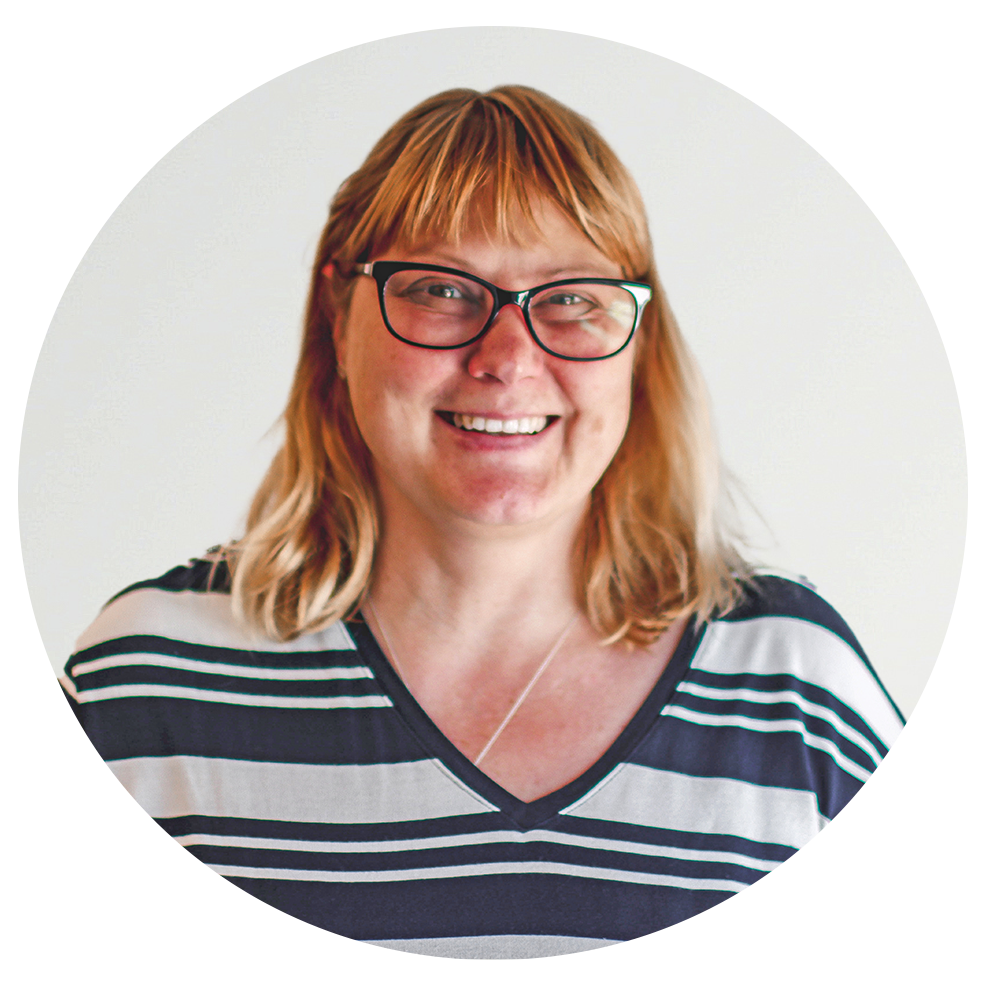
Jenny is a senior occupational therapist. She qualified in 1997 and completed her MSc in Neuro-rehabilitation in 2007. She has worked in Neurological Rehabilitation at the Battle Hospital in Reading, and the Rivermead Rehabilitation Centre in Oxford which became part of the Oxford Centre for Enablement in 2000. She moved into the Specialist Disability Service at the OCE from where she joined the Oxford MND Centre in January 2007.
Since August 2009 Jenny has been funded full-time by the Motor Neurone Disease (MND) Association to develop NHS wheelchair services across the UK, to improve wheelchair provision for people living with MND.

Since qualifying in 2006, Debra has worked as an occupational therapist in both community and in-patient environments. After three years on a mixed NHS and social care rotation, Debra moved to Brent local authority, where she worked for 5 years. In 2014 Debra split her role between managing her own caseload in the private sector and Barnet local authority’s equipment provision service. Debra now runs our seating assessment training programme.
People who watched this also watched...
Integrating assistive technology and specialised seating
Discover the powerful synergy between assistive technology and specialised seating systems in this practical and informative webinar. Designed for therapists and carers, this session will demonstrate how integrating tools can greatly enhance mobility, communication, and independence for individuals with complex needs.
Using real-world examples and case studies, participants will learn how to choose and coordinate devices that work seamlessly together- without adding unnecessary complexity.
This webinar is ideal for therapists who are new to assistive technology as well as those experienced in seating provision who want to expand their skills in setting up environmental control or communication devices.
New year, balanced you: Mindfulness for the health and care professionals
Join Kate Jackson in this interactive webinar exploring mindfulness for health and social care professionals. Kate will guide you through a range of concepts, techniques and considerations, offering practical ways to bring Mindfulness into your daily life to enhance wellbeing. Kate takes a thoughtful, compassionate and inclusive approach to wellbeing, offering a grounded and accessible delivery style.
Right seating, right timing, and right place - seating in residential facilities and the consequences of non provision
As the population ages, providing comfortable and supportive seating in nursing homes has become more critical than ever. This webinar explores the significant benefits of investing in proper seating for elderly residents in long-term care facilities.
Attendees will learn how well-designed seating can improve physical health, reduce the risk of pressure sores, enhance mobility, and support better posture. The session will also address the mental and emotional well-being of residents, emphasising how comfort and dignity are maintained through thoughtful seating choices.