


New year, same challenges: taking care of yourself
In this session, discover strategies to combat burnout and other challenges faced in health and social care, explore usable welling practices and learn how to create a personalised self-care action plan.
Learning Outcomes
- Learn about the current landscape for health and social care professionals regarding burnout
- Explore usable wellbeing practices and reflect on your own wellbeing
- Discover positive wellbeing and healthy work habits
- Learn how to create your own self care action plan
Meet our Experts
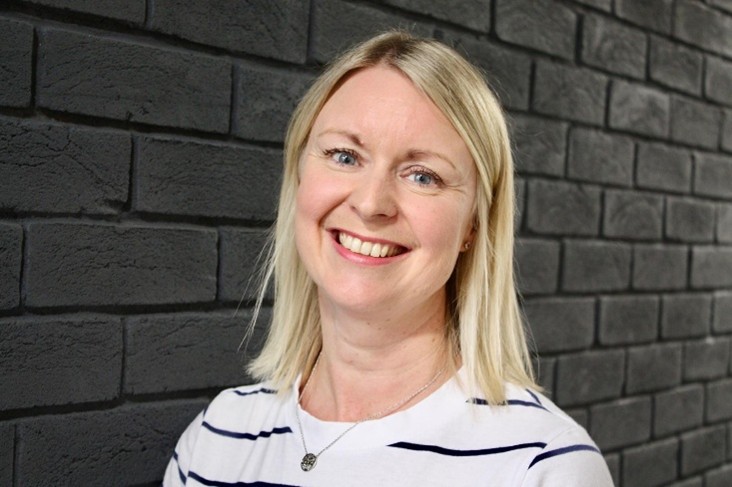
Kate Jackson is an Independent Occupational Therapist based in Leicester. She has worked in Mental Health services in the NHS, as a Lecturer in Higher Education and as a Clinical Lead Occupational Therapist in a Hospice setting, among her roles. Kate is a trained Mindfulness Teacher and has an MA in Mental Health Studies. She currently runs her practice ‘Wellbeing Therapy Solutions’ in Leicester, offering mental health focused Occupational Therapy.
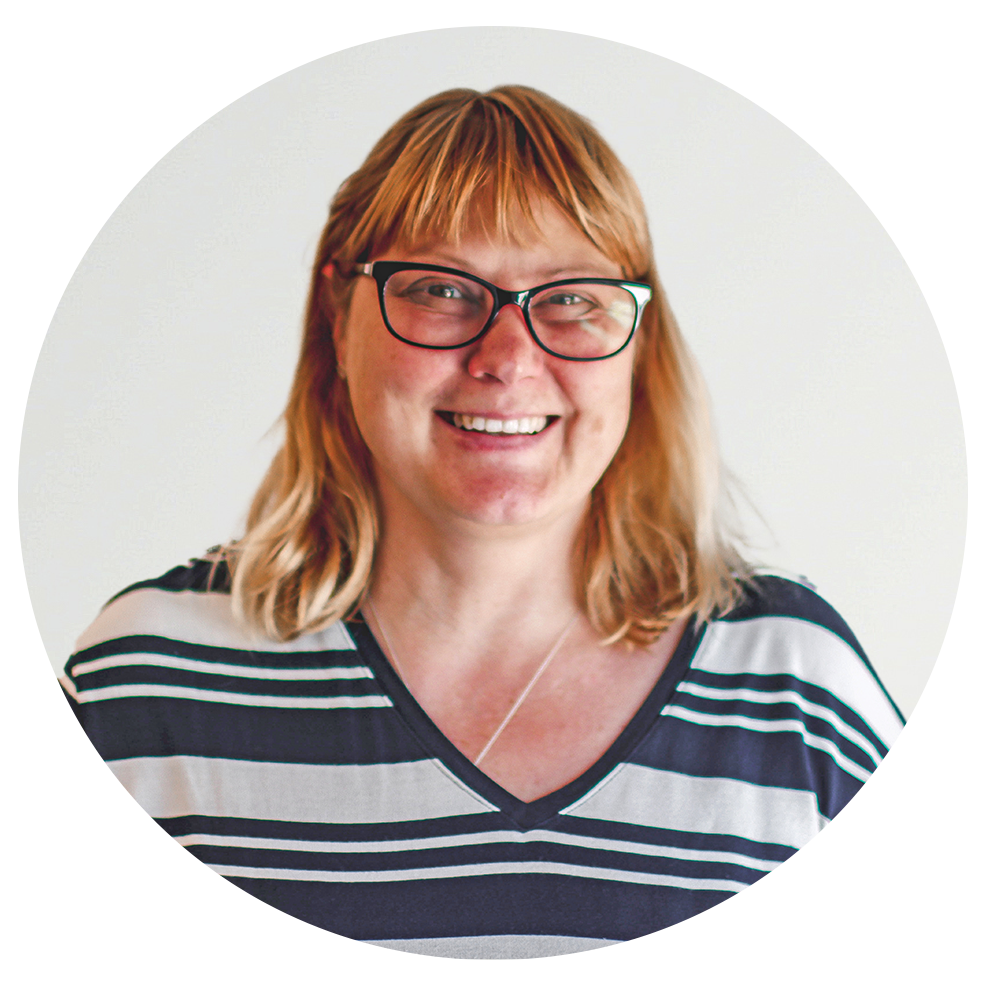
Jenny is a senior occupational therapist. She qualified in 1997 and completed her MSc in Neuro-rehabilitation in 2007. She has worked in Neurological Rehabilitation at the Battle Hospital in Reading, and the Rivermead Rehabilitation Centre in Oxford which became part of the Oxford Centre for Enablement in 2000. She moved into the Specialist Disability Service at the OCE from where she joined the Oxford MND Centre in January 2007.
Since August 2009 Jenny has been funded full-time by the Motor Neurone Disease (MND) Association to develop NHS wheelchair services across the UK, to improve wheelchair provision for people living with MND.


People who watched this also watched...
Can care environments be sustainable?
This webinar will ask what we mean by sustainability in care home design. With homes typically being refurbished every 5-7 years, making sure that designs are as environmentally friendly as possible is growing increasingly important, but how do we achieve this? We shall look at the tension which exists within the sector between meeting the needs of the various stakeholder groups and designing sustainably. The webinar will conclude by looking at things we can all do at a micro level.
A manual handling adviser in Malawi
A long ambition was realised in February 2023 to volunteer with a charity that supports children and adults abroad. Being part of a team dedicated to improving the health and wellbeing of fellow human beings is both an honour and delight. Two weeks can change your life forever and be the start of a long term inspirational collaboration in a far off continent.
Rebuilding lives after stroke
A stroke can happen to anyone. This is an awareness raising webinar looking at what a stroke is and how to recognise when someone might be having a stroke. Having a greater insight into how this brain injury can impact on individuals, can help to inform any professional or personal interactions you may have with people affected by stroke. This webinar also covers what we can all do to reduce our risk of stroke, the work of the Stroke Association and ways we could potentially make a difference together.