


Postural management: Exploring solutions
Based on the principles of postural management, Jenny provides some solutions to complex posture management needs.
Learning Outcomes
- Increase confidence in interpreting the outcome of a postural assessment into client centred therapeutic goals
- Develop confidence in testing out solutions for the difficulties highlighted from assessment
- Increase awareness of potential solutions for specific postural limitations
- Increase awareness of the range of Accora products that can be used to meet some of these postural needs
Meet our Experts
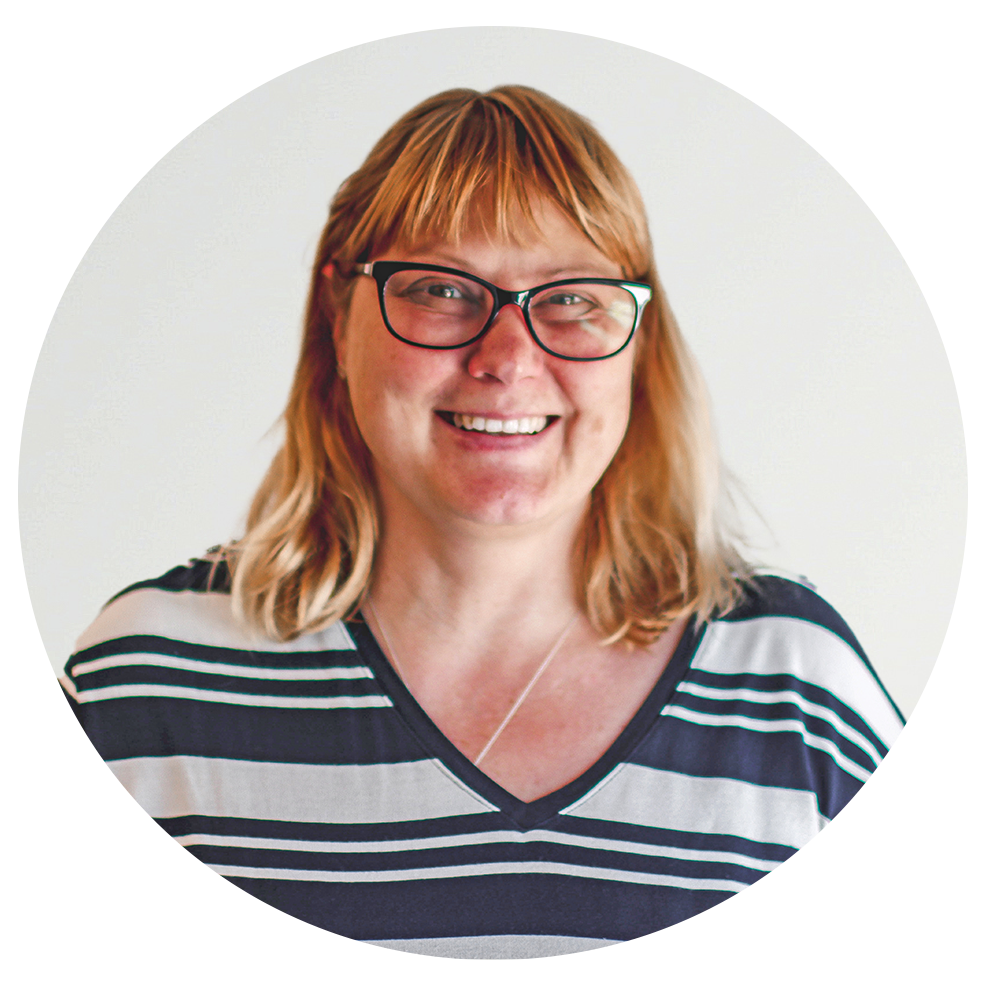
Jenny is a senior occupational therapist. She qualified in 1997 and completed her MSc in Neuro-rehabilitation in 2007. She has worked in Neurological Rehabilitation at the Battle Hospital in Reading, and the Rivermead Rehabilitation Centre in Oxford which became part of the Oxford Centre for Enablement in 2000. She moved into the Specialist Disability Service at the OCE from where she joined the Oxford MND Centre in January 2007.
Since August 2009 Jenny has been funded full-time by the Motor Neurone Disease (MND) Association to develop NHS wheelchair services across the UK, to improve wheelchair provision for people living with MND.
People who watched this also watched...
Sleeping in a riser recliner: What you need to know
This session covers what you need to know about sleeping in a riser recliner, exploring the person’s perspective alongside key postural and functional considerations. Nicola and Jayne will discuss how choice, mobility, mental health, confidence, and risk influence decision-making, supporting practitioners to reason with service users and balance comfort, safety, and autonomy.
Postural management in long-term neurological conditions
This webinar covers the principles of postural management and focuses on the assessment of people with long-term neurological disorders. We will explore different presenting postures and think about how we can address these with seating and a 24-hour management programme.
Manual handling: a 24-Hour approach with Carole Johnson
In this webinar, we’ll explore two people with complex postural and manual handling needs (one adult, one child). The aim will be to encourage and balance safe manual‑handling practices day and night while maintaining autonomy, dignity and protecting these vulnerable individuals in a less than perfect world.