


Wound assessment, getting it right first time
In this webinar we consider the aspects of wound assessments, tools to support the process of assessment and wound classification to help you have confidence in making treatment decisions.
Learning Outcomes
- Understand factors that might delay healing
- Recognise aspects of wound assessment and tools to support the process
- Understand how to use the wound assessment to make treatment decisions
Meet our Experts
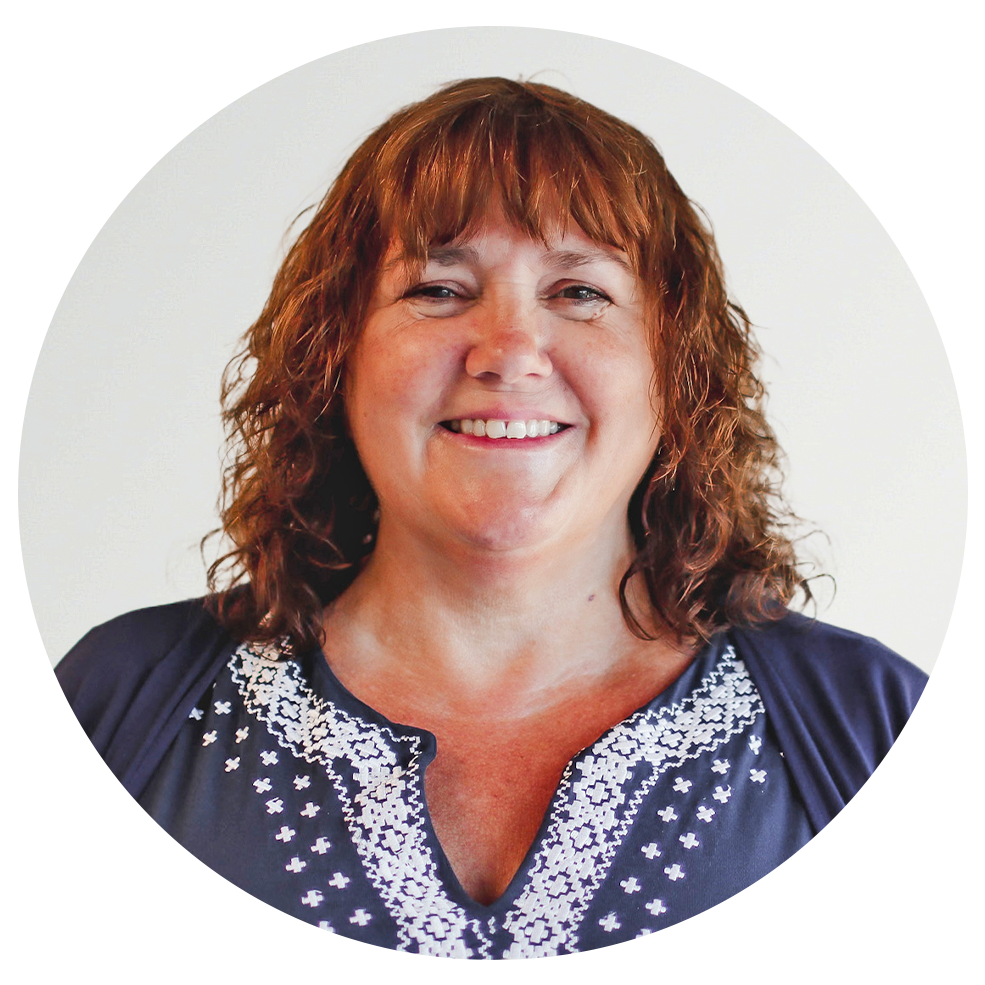
Heidi has been a Tissue Viability Nurse since 2002. Her interest and passion in the prevention and management of pressure ulcers began, however, in 1987 on registering as a nurse. She has worked in both acute and community care.
People who watched this also watched...
New year, balanced you: Mindfulness for the health and care professionals
Join Kate Jackson in this interactive webinar exploring mindfulness for health and social care professionals. Kate will guide you through a range of concepts, techniques and considerations, offering practical ways to bring Mindfulness into your daily life to enhance wellbeing. Kate takes a thoughtful, compassionate and inclusive approach to wellbeing, offering a grounded and accessible delivery style.
Care Act, equipment and adaptations provision and integrated working
This two part webinar outlines key duties in the Care Act relevant to assessment and provision of equipment and home adaptations, as well as key legal principles applied by the courts when analysing local authority policies and individual decisions.
Beyond comfort: the clinical impact of specialist seating
Seating is more than just comfort—it plays a crucial role in supporting posture, pressure care, and overall well-being. This webinar explores the clinical considerations behind prescribing specialist seating, helping you navigate key factors such as postural support, pressure management, and individual fit. Using case-based reasoning, we’ll discuss how different seating solutions can enhance independence, reduce risk, and improve outcomes for service users with complex needs.