


Pressure ulcers – definition, assessment, prevention and treatment
Pressure ulcers are a painful, debilitating condition that can, largely, be prevented. Seen as a measure of harm by NHS England/Improvement and reportable to the CQC in care home settings, understanding how best to protect those within your care from developing a pressure ulcer is an important aspect of care delivery.
Prevention of pressure ulcers is however not always easy and, in some cases, not possible. Understanding how they develop, how to recognise those at risk, how to prevent them and what to do when they do occur is vital knowledge for anyone involved in the care of those vulnerable to pressure ulcers.
Staff with different skill sets can work their way through the whole programme, or they can choose individual modules.
Webinar Parts
Exploring the anatomy of the ...
Assessment of risk (the a of aSSKINg)
Assessment of risk (the a of aSSKINg)
Prevention - aSSKINg
Prevention - aSSKINg
Treatment of Pressure Ulcers
Treatment of Pressure Ulcers
Learning Outcomes
- To understand how pressure causes skin damage
- To understand the cascade of events that lead to pressure damage.
- To recognise the primary factors that can increase risk of pressure ulcer development
- To understand other factors that might impact further on the risk
- To understand the place and relevance of risk assessment tools and why they score as they do
- To understand the aSSKINg bundle and how this supports the most important aspects of pressure ulcer prevention
- To gain deeper insight into each aspect of aSSKINg, what the key aspects of care within each element of the bundle are and the importance of documentation
- To recognise the early warning signs of pressure damage & what actions must be taken immediately
- To gain insight into the main aspects of care in the treatment of pressure ulcers (including categorisation)
- To understand your role in the treatment of pressure ulcers
- To gain insight into the different dressings that might be used and why
- To understand wound management with regard to pressure ulcers, including wound assessment and management decision-making
- To understand some of the dressings that may be used in the management of pressure ulcers
Meet our Experts
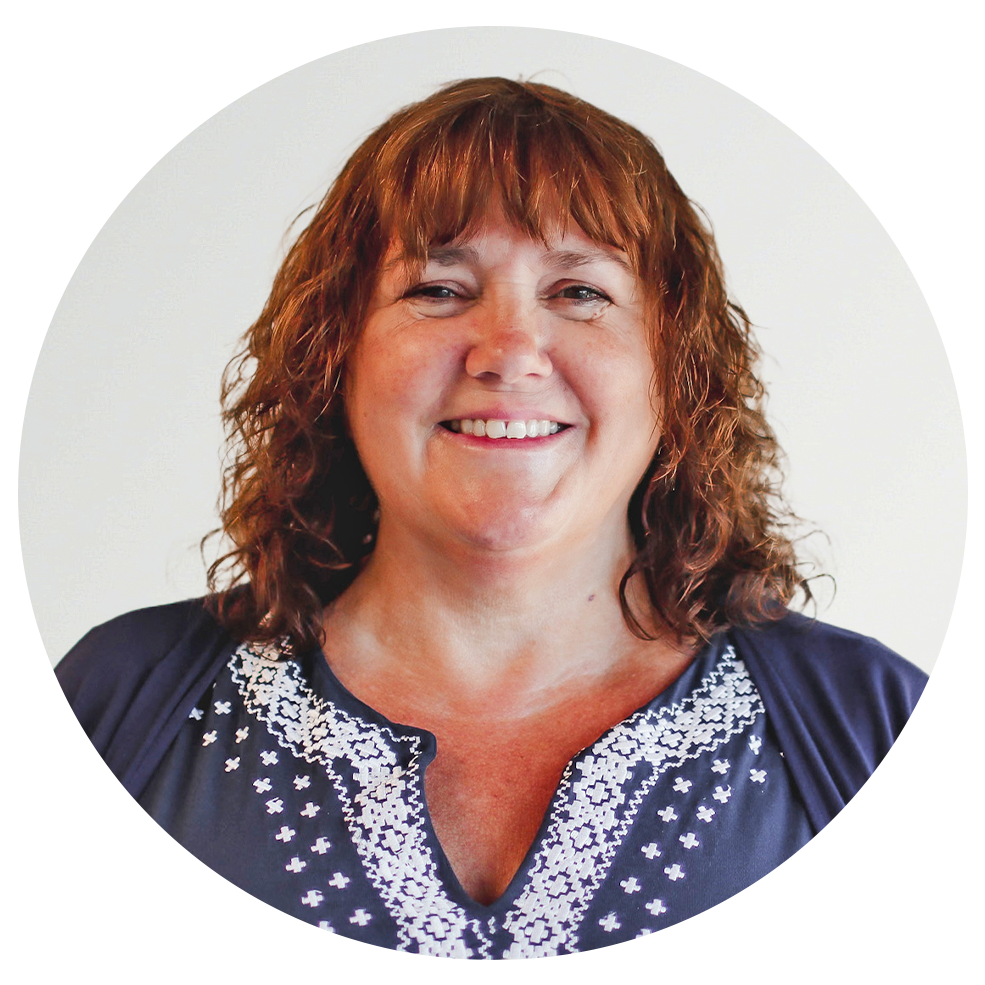
Heidi has been a Tissue Viability Nurse since 2002. Her interest and passion in the prevention and management of pressure ulcers began, however, in 1987 on registering as a nurse. She has worked in both acute and community care.
People who watched this also watched...
Sleep in a Riser Recliner
In this session we will explore the issues around people sleeping in riser recliner chairs – we will look at this issue from a functional occupational performance and a tissue viability perspective.
This session is aimed to enable health care professionals to think around this presenting issue to enable them to have a constructive discussion with people they are working with to come to an agreeable solution.
Let’s talk about technology enabled care: safety, prevention and independence at home through a TEC lens
As health and social care services continue to evolve, Technology Enabled Care (TEC) is playing an increasingly important role in supporting people to live safely, independently, and confidently in their own homes. This webinar will explore how digital solutions, remote monitoring, telecare, and connected technologies can enhance person-centred care, improve outcomes, and support proactive intervention.
The session will showcase practical examples of TEC in action, discuss implementation challenges and opportunities, and highlight how technology can complement clinical expertise while empowering individuals and their families.
Sleeping in a riser recliner: What you need to know
This session covers what you need to know about sleeping in a riser recliner, exploring the person’s perspective alongside key postural and functional considerations. Nicola and Jayne will discuss how choice, mobility, mental health, confidence, and risk influence decision-making, supporting practitioners to reason with service users and balance comfort, safety, and autonomy.