


Good skin care guidance
Our skin acts as a barrier to our internal systems that are essential for our health and well-being. Within this webinar you will learn about taking positive steps to ensure you are doing all you can for your patients to improve their skin integrity and give the best outcome to prevent any breakdown.
Learning Outcomes
- Understand why good skin care is essential
- Understand the cascade of events that lead to vulnerable skin
- Understand the methods and strategies of good skin care
Meet our Experts
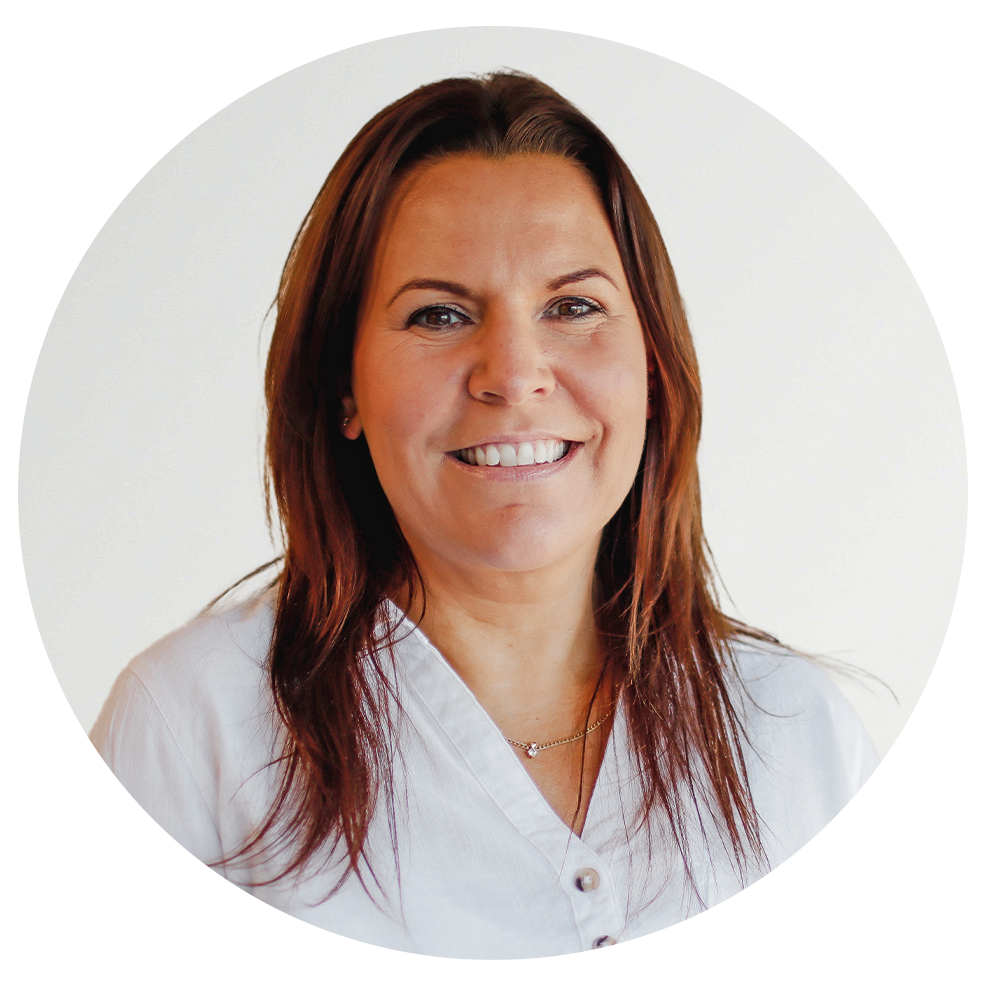
Sarah has always had a keen interest in Tissue Viability since becoming a registered nurse in 2002. Her experience varies from within a community setting, where she completed her Tissue Viability based degree in 2007. She then worked within the private sector to gain additional advanced wound care skills whilst working with a medical devices company specialised in wound healing. In 2010, Sarah became a Tissue Viability Nurse and shaped a specialised service within the acute sector for 7 years before returning to the community setting as a TVN.
People who watched this also watched...
Posture management in sitting
This webinar gives invaluable insights on the goals and principles of posture management together with the practical skills to successfully carry out a postural assessment.
Pain management that works
In this session we will explore the prevalence and causes of pain in older adult residents and how that pain affects them in terms of cognitive, emotional and physical health and safety. We will look more closely at the relationship between pain and pressure ulceration in terms of increased risk and more challenging management, and explore management options including pharmacological, non-pharmacological and self-management.
Configura Mediatric: what do we mean by mediatric?
In this webinar we will introduce the Configura Mediatric, exploring it's advanced adjustability and user-focused innovation.
We will provide an overview of key features, including tilt-in-space, independent backrest recline and leg rest elevation, as well as its integrated pressure care and posture management options.
The session will examine how these features work together to support safe transfers, promote healthy posture, protect skin integrity, and maintain user comfort, stability, and independence throughout the day.