


Combining postural and pressure management
This webinar shows how pressure and postural management are interlinked and how nurses and therapists can learn from each other and can work together to achieve the most clinically and cost-effective solution for their clients.
Learning Outcomes
- Understand links between pressure and posture management
- Analyse pressure risk assessment and posture assessment and identify cross over to provide solutions for our clients
- Review the evidence for use of pressure and posture management for reduction in pressure injuries
- Take away tips for managing pressure and posture in sitting and lying.
Meet our Experts

Jenny is a senior occupational therapist. She qualified in 1997 and completed her MSc in Neuro-rehabilitation in 2007. She has worked in Neurological Rehabilitation at the Battle Hospital in Reading, and the Rivermead Rehabilitation Centre in Oxford which became part of the Oxford Centre for Enablement in 2000. She moved into the Specialist Disability Service at the OCE from where she joined the Oxford MND Centre in January 2007.
Since August 2009 Jenny has been funded full-time by the Motor Neurone Disease (MND) Association to develop NHS wheelchair services across the UK, to improve wheelchair provision for people living with MND.
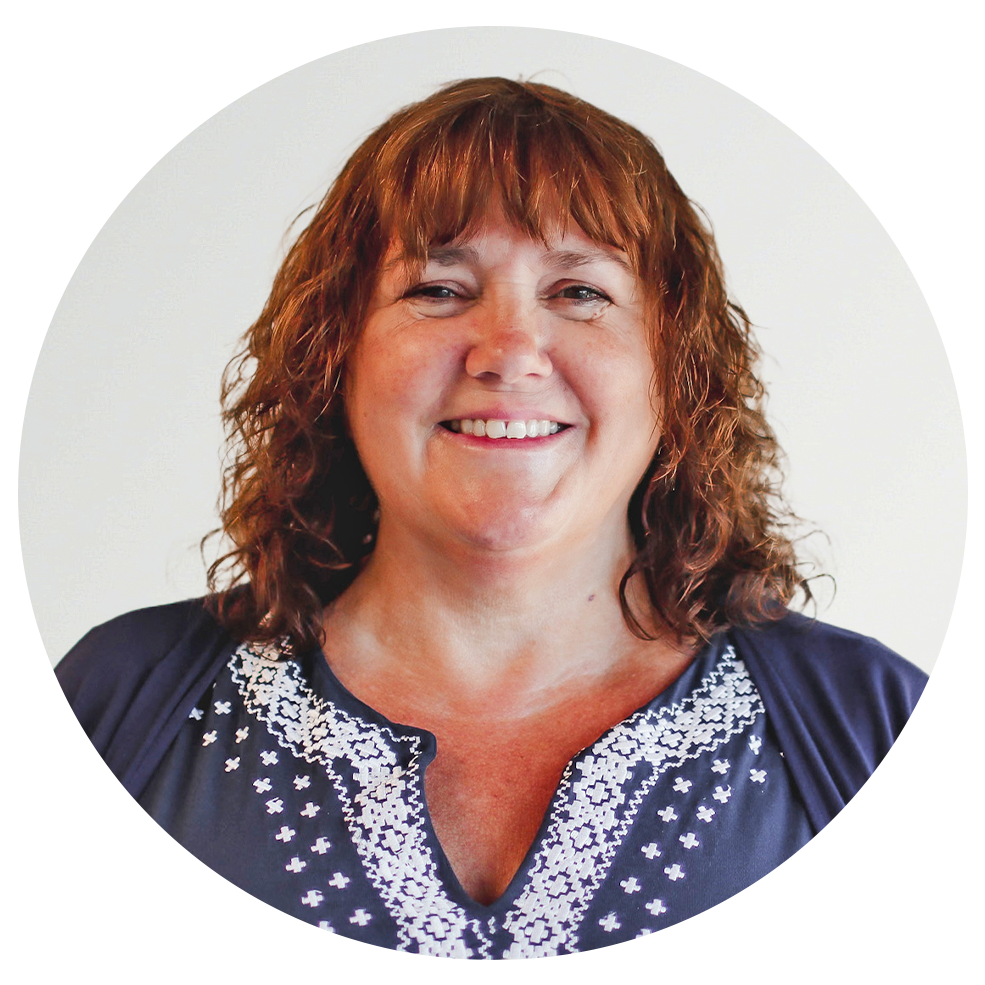
Heidi has been a Tissue Viability Nurse since 2002. Her interest and passion in the prevention and management of pressure ulcers began, however, in 1987 on registering as a nurse. She has worked in both acute and community care.
People who watched this also watched...
Swollen legs, stolen lives: how oedema steals mobility and independence
Swollen legs are often dismissed as a minor or inevitable problem. In reality, unmanaged oedema can be the first step toward loss of mobility, independence, and quality of life.
This webinar raises awareness of how lower limb swelling triggers a downward spiral of heaviness, pain, reduced movement, muscle weakness, and fear of activity- often leading to deconditioning and patients becoming 'off-legs.' Everyday coping strategies, such as reduced walking or sleeping in a chair, can unintentionally worsen the problem.
Aimed at all healthcare professionals, this session shifts the focus from treating symptoms to recognising early warning signs and acting sooner. It highlights how simple, timely interventions can protect mobility, prevent avoidable decline, and help people remain independent for longer.
Who's a leader anyway? My role as an advocate
A brief presentation outlining the role of leaders within the profession. This will focus on helping therapists to lead where they are and outline their role as advocates for social justice. The webinar will also provide some tips and resources that will support you on your leadership journey.
Wound assessment, getting it right first time
In this webinar we consider the aspects of wound assessments, tools to support the process of assessment and wound classification to help you have confidence in making treatment decisions.