


Career safety and infection control - NASHICS
This webinar focused on safety, risk reduction and infection control for carers, and those being cared for while using care home equipment.
Learning Outcomes
- Understanding current advice and research
- How to use in various care settings
- Possible future applications
- Microbiology, in order to recognise risks in our day-to-day activity
- Using personal protective equipment to negate risks and keep everyone safe
- Safe decontamination of surfaces and equipment in care homes
- Introduction to the Empresa bed
- Reducing risk of bed fall injury
- Safer for the caregiver
Meet our Experts
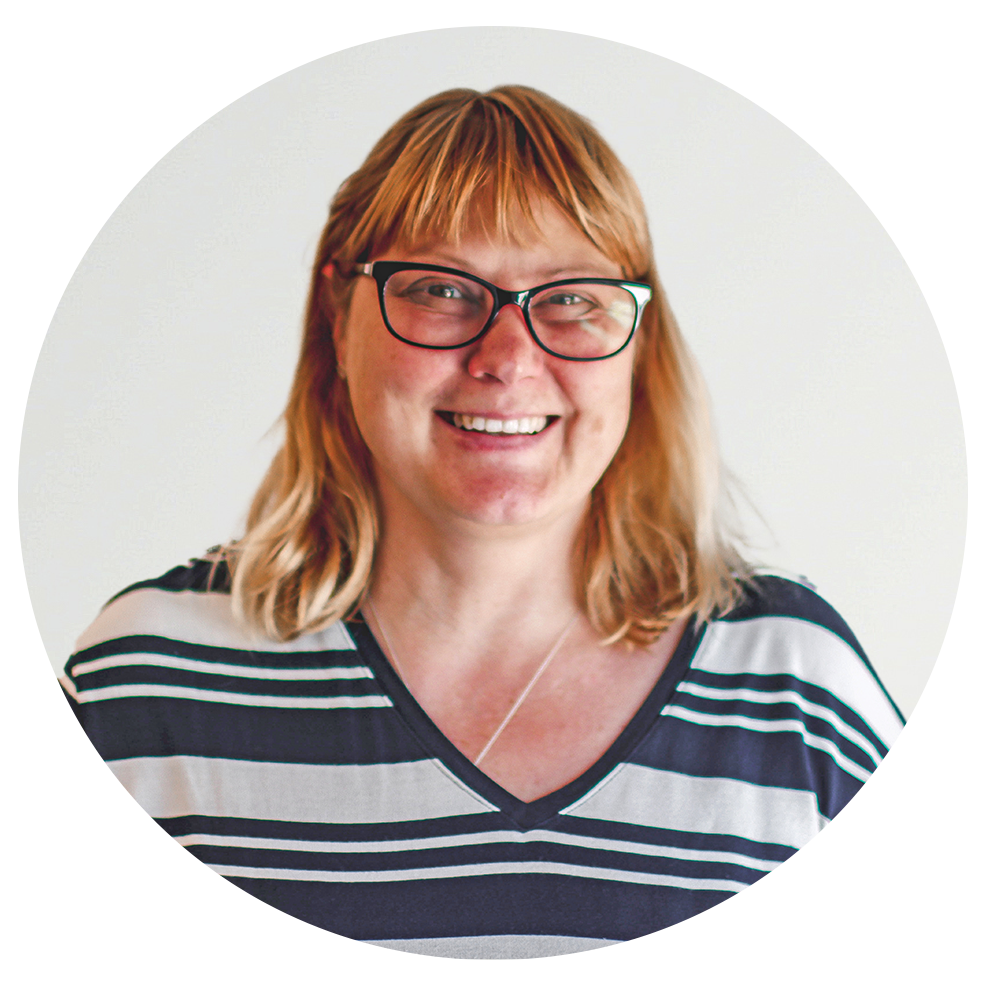
Jenny is a senior occupational therapist. She qualified in 1997 and completed her MSc in Neuro-rehabilitation in 2007. She has worked in Neurological Rehabilitation at the Battle Hospital in Reading, and the Rivermead Rehabilitation Centre in Oxford which became part of the Oxford Centre for Enablement in 2000. She moved into the Specialist Disability Service at the OCE from where she joined the Oxford MND Centre in January 2007.
Since August 2009 Jenny has been funded full-time by the Motor Neurone Disease (MND) Association to develop NHS wheelchair services across the UK, to improve wheelchair provision for people living with MND.

Evonne’s infection control career began late in 1987. From 2006 until September 2015 she led the outbreak programme of work at Health Protection Scotland. She is now an independent nurse consultant for infection prevention and control.

Trudy is a Chartered Member of the Institution of Occupational Safety and Health (IOSH), a Member of International Institute of Risk and Safety Management, and also a Member of the Institute for Learning. Trudy has over 25 years experience in health and safety management, working in enforcement, private sectors, retail and warehouse, consultancy and health and social care.
People who watched this also watched...
How to choose a pressure cushion for seating
Selecting the right pressure cushion is essential for maintaining comfort, promoting healthy posture, and preventing pressure injuries for individuals who spend extended periods sitting. This webinar provides a practical, evidence-informed guide to understanding different types of pressure cushions, how they work, and how to match them to individual needs. Participants will learn to assess key factors such as mobility levels, posture, risk of skin breakdown, and daily routines.
Super-supervision: back to basics with Shaen Milward
This is a practical webinar for both supervisors and supervisees who want to get more from the supervision process, whether they are delivering it, receiving it, or shaping a stronger supervision culture. The session will revisit the core purpose of supervision, explore what makes supervision effective, and consider the attitudes and conversations that help it become a meaningful professional space rather than just a routine meeting. We will cover key functions of supervision, common pitfalls, the shared responsibility of both parties, and simple approaches that support reflective thinking, accountability, professional growth and psychological safety. Suitable for those new to supervision, as well as experienced practitioners wanting to refresh and strengthen their practice.
Can a single carer achieve an optimum position in a seating system when hoisting?
In this webinar, Kay James will share videoed practical solutions and tips on how single carers can achieve optimum position when hoisting. She will also discuss some of the challenges faced, as well as having an open discussion alongside our OT, Jayne Brewer.