


Prevention and early intervention guide with RCOT
The Royal College of Occupational Therapists (RCOT) is clear that occupational therapy has its greatest impact when it enables people to continue doing the activities that matter most to them. Whether that’s getting up in the morning, being in school or at work, or enjoying hobbies or leisure, participation is central to health, wellbeing, and quality of life.
Seating and bed provision are about much more than equipment. Appropriate seating and sleeping solutions support comfort, dignity, safety and enable people to participate in the occupations that give their lives meaning. This guide highlights the importance of early consideration of posture, positioning, seating, and sleep environments, recognising the difference these interventions can make to everyday life.
It encourages practitioners to balance risk reduction with positive risk taking, using professional judgement to support informed choice, autonomy, and participation in everyday roles and routines. This approach means we both prevent avoidable harm and support people to live fulfilling lives.
We welcome the guide’s focus on prevention and early intervention, and the positive impact this can have for individuals, families, and services. By keeping occupation at the forefront of practice, practitioners can ensure that seating and bed provision is guided by what people need as well as by what it enables them to do and be.
Gary Waltham, Chief Executive of the Royal College of Occupational Therapists, says ‘Occupational therapy can reduce the need for crisis interventions and specialist seating can be key to achieving the goal of helping people to be at home, to manage their health and live their lives. We’re pleased that Accora shares our focus on prevention and early intervention and are looking forward to working together.’
Meet our Experts:

Nicola Murphy
Nicola Murphy is a dedicated and compassionate Occupational Therapist with experience within the inpatient, outpatient, and community settings. Her experience spans across many specialities including oncology, surgery/ vascular, wheelchairs services, and elderly care.

Jayne Brewer
Jayne qualified as an OT in 1996 and has a wide range of clinical experience in acute and community settings. Her recent experience has been in Community Equipment Stores providing training and support to prescribers and commissioners.

Mary Snow
Mary has been working as an Occupational Therapist since 2006, initially in community rehabilitation services, then spending much of her time working in community services in Oxfordshire. Within this role she has held a special interest and lead role for postural assessments and equipment provision and is passionate to continue developing her knowledge and skills in 24 hr postural management.

Laura Lew
Laura is a Senior Occupational Therapist specialising in technology enabled care (TEC). She works for Livity Life, the largest TEC provider in the UK. She is based in Essex in partnership with Essex County Council.

Jenny Rolfe
Jenny is a senior occupational therapist. She qualified in 1997 and completed her MSc in Neuro-rehabilitation in 2007. She has worked in Neurological Rehabilitation at the Battle Hospital in Reading, and the Rivermead Rehabilitation Centre in Oxford which became part of the Oxford Centre for Enablement in 2000. She moved into the Specialist Disability Service at the OCE from where she joined the Oxford MND Centre in January 2007.
Since August 2009 Jenny has been funded full-time by the Motor Neurone Disease (MND) Association to develop NHS wheelchair services across the UK, to improve wheelchair provision for people living with MND.

Jennifer Benson
Jennifer Benson is an independent Speech and Language Therapist with over 25 years experience across both NHS and private practice. She works with people with a wide variety of neurological difficulties, with particular specialisms in both MND and acquired brain injury. She is Clinical Adviser for the Royal College of Speech and Language Therapists, and sits on the expert core of the MND Community of Practice. She contributes to many project groups in both fields, alongside a busy private practice. Jennifer particularly enjoys and values MDT working and problem solving in complex cases.

Dean Curson
Philippa Clark
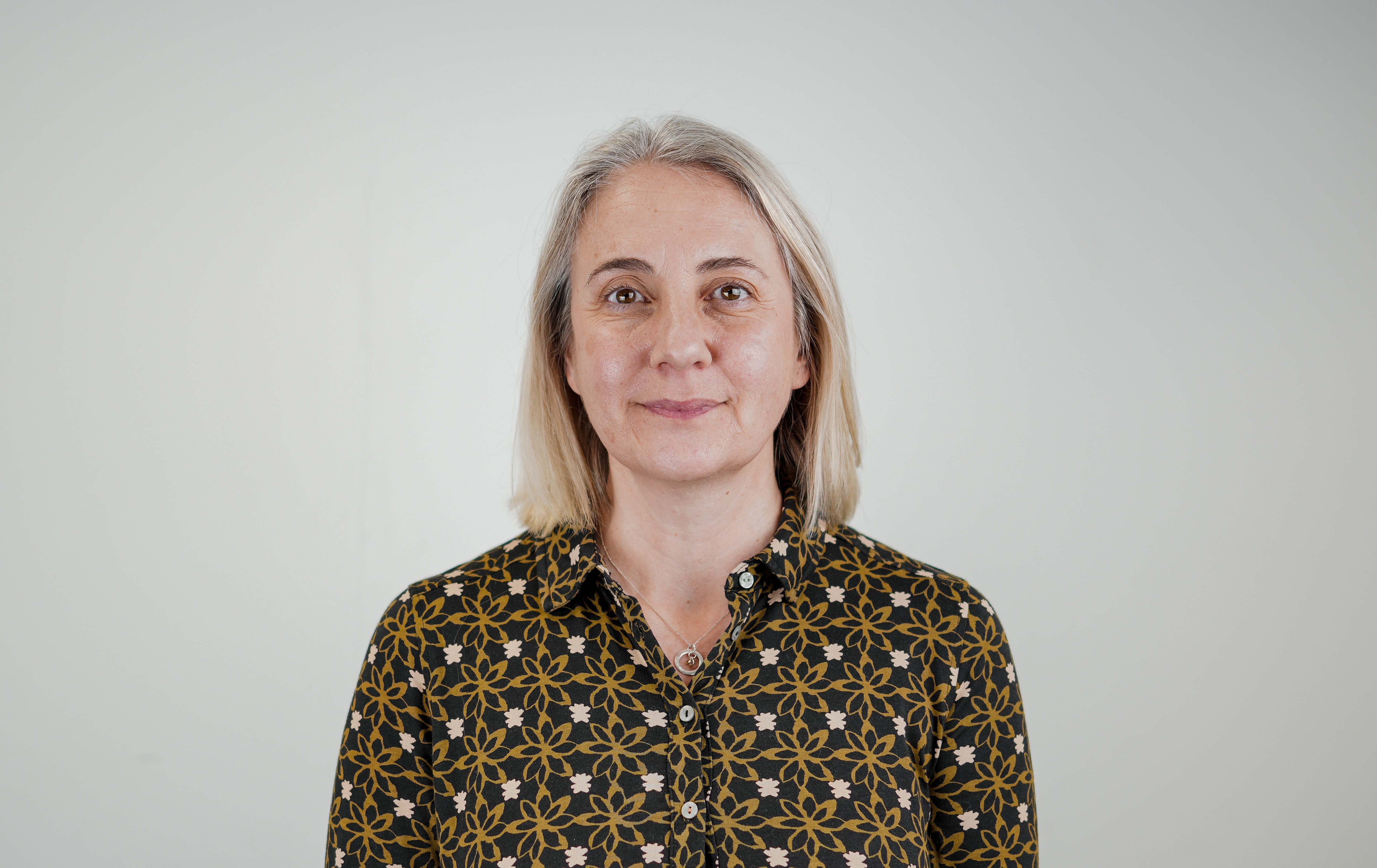
Philippa qualified as a nurse in 1997 and quickly developed a passion for tissue viability while working in a hospital setting. Over the years she expanded her expertise through further education and clinical experience, leading to her first specialist Tissue Viability role in 2010. In this position she supported a nurse-led wound service and delivered education to healthcare staff on pressure ulcer prevention, wound management and best practice in patient care.
More recently, Philippa has worked as a Tissue Viability Nurse within community services, broadening her clinical perspective and strengthening her commitment to preventative care. By joining Accora, she is excited to champion the vital role of prevention in pressure ulcer management and support improved outcomes for patients.