


Rethinking falls prevention
Falls prevention remains challenging because interventions do not always translate into safer, more effective movement and participation in everyday care.
This two-part series brings together person-centred clinical reasoning and sensory integration, equipping practitioners to better manage risk, support cooperation during care, and enable meaningful participation.
The webinars will be delivered in English, with optional captions available in Danish, Finnish, Norwegian, and Swedish.
Learning Outcomes
By the end of the series, participants will be able to:
- Analyse the multifactorial causes of falls, including physical, environmental, and cognitive contributors.
- Apply evidence-based assessment and clinical reasoning to evaluate and manage falls risk without unnecessarily limiting independence.
- Develop person-centred, interdisciplinary intervention strategies that promote safety, function, and participation
- Recognise how sensory integration difficulties may influence falls risk and a resident’s ability to participate safely in transfers.
- Indentify signs of sensory overload, anxiety, or defensive responses during movement and care tasks.
- Apply practical strategies to calm and regulate residents before and during transfers to improve collaboration and safety.
Meet our Experts
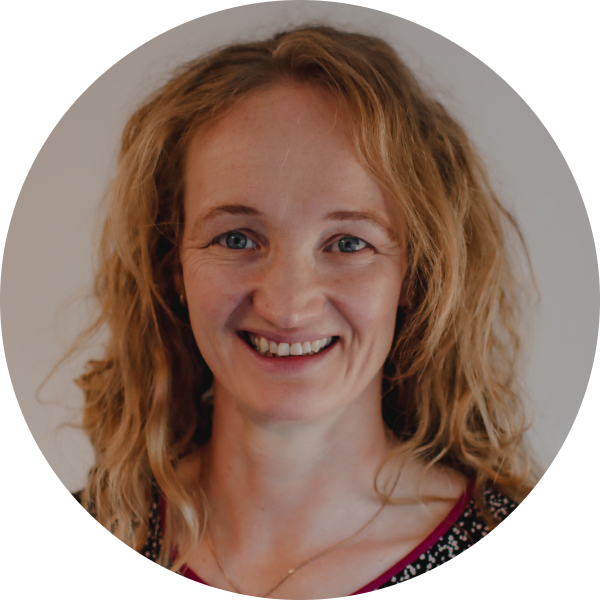
Nicky is a dedicated Occupational Therapist with over 16 years of experience, specializing in disability, posture, and seating. She has worked in both inpatient and community settings, and most recently served as a seating therapist within the HSE.

Jane Vorting is an independent consultant and founder of Glade Sanser, specialising in sensory processing and its impact on everyday function, safety, and well-being. With a background in working closely with both individuals and professionals, she brings practical, evidence-informed approaches tounderstanding sensory challenges across age groups.
Jane is particularly passionate about the connection between sensory processing difficulties and safe transfer. Through her work, she helps caregivers and professionals identify early signs of sensory-related imbalance and provides strategies to support safer transfers and increased body awareness.
People who watched this also watched...
Building a strong foundation: Care principles and professional development for early career OTs
This session is aimed at Occupational Therapy students and new graduates who want to explore core principles of good care that will be guiding them as healthcare professionals. The session will touch on the four pillars of practice, the role of supervision and education, and the importance of continuing professional development throughout their careers. By the end of the session attendees should feel more confident about the foundations of care across a range of clinical settings.
Super-supervision: back to basics with Shaen Milward
This is a practical webinar for both supervisors and supervisees who want to get more from the supervision process, whether they are delivering it, receiving it, or shaping a stronger supervision culture. The session will revisit the core purpose of supervision, explore what makes supervision effective, and consider the attitudes and conversations that help it become a meaningful professional space rather than just a routine meeting. We will cover key functions of supervision, common pitfalls, the shared responsibility of both parties, and simple approaches that support reflective thinking, accountability, professional growth and psychological safety. Suitable for those new to supervision, as well as experienced practitioners wanting to refresh and strengthen their practice.
Continuous pressure monitoring - identification of posture issues and how it helps pressure ulcer prevention
This webinar explores the use of continuous pressure monitoring to identify high risk areas using patient case studies.