


Posture management, Tissue viability, or clinical reasoning issues? Ask the panel
We have really enjoyed choosing topics and working with a range of speakers to provide a varied and interesting webinar programme to enhance your learning, but now we want to give you the opportunity to set the scene and ask your questions to our panel of experts.
Learning Outcomes
Your question drive this session.
Meet our Experts
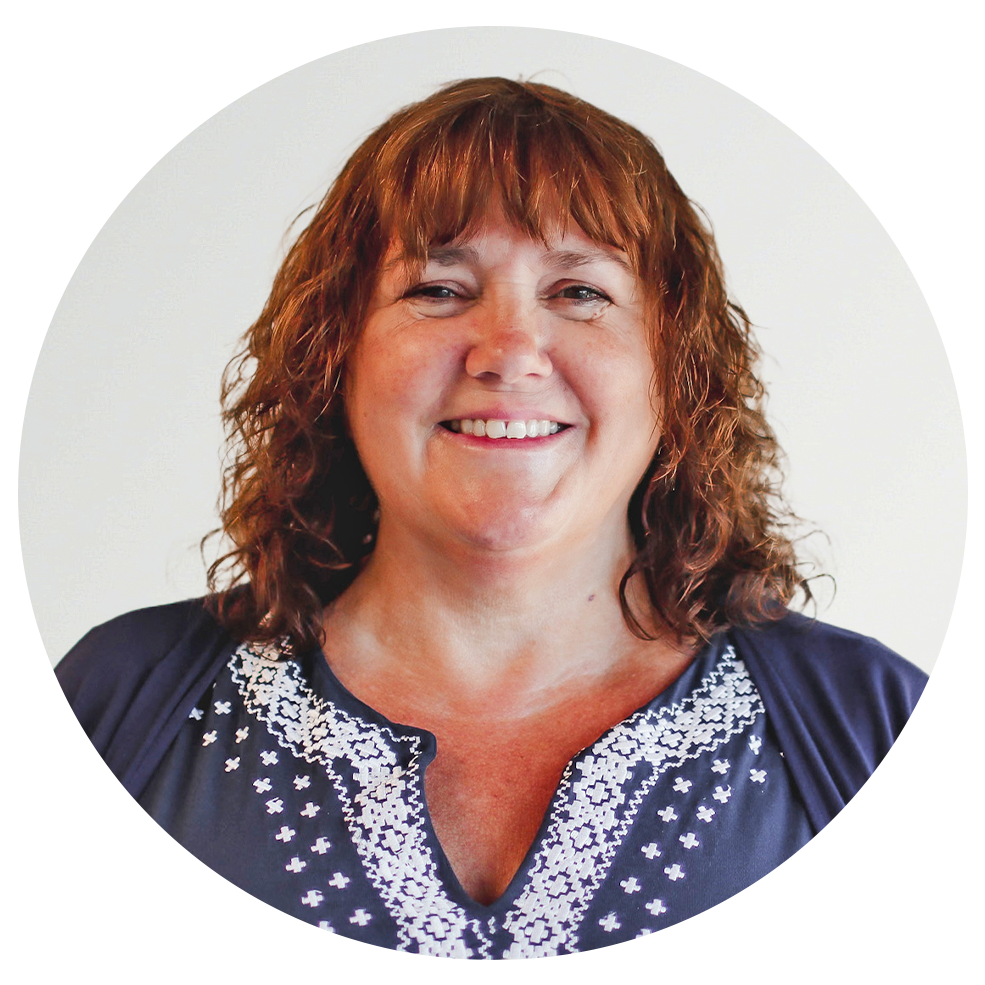
Heidi has been a Tissue Viability Nurse since 2002. Her interest and passion in the prevention and management of pressure ulcers began, however, in 1987 on registering as a nurse. She has worked in both acute and community care.
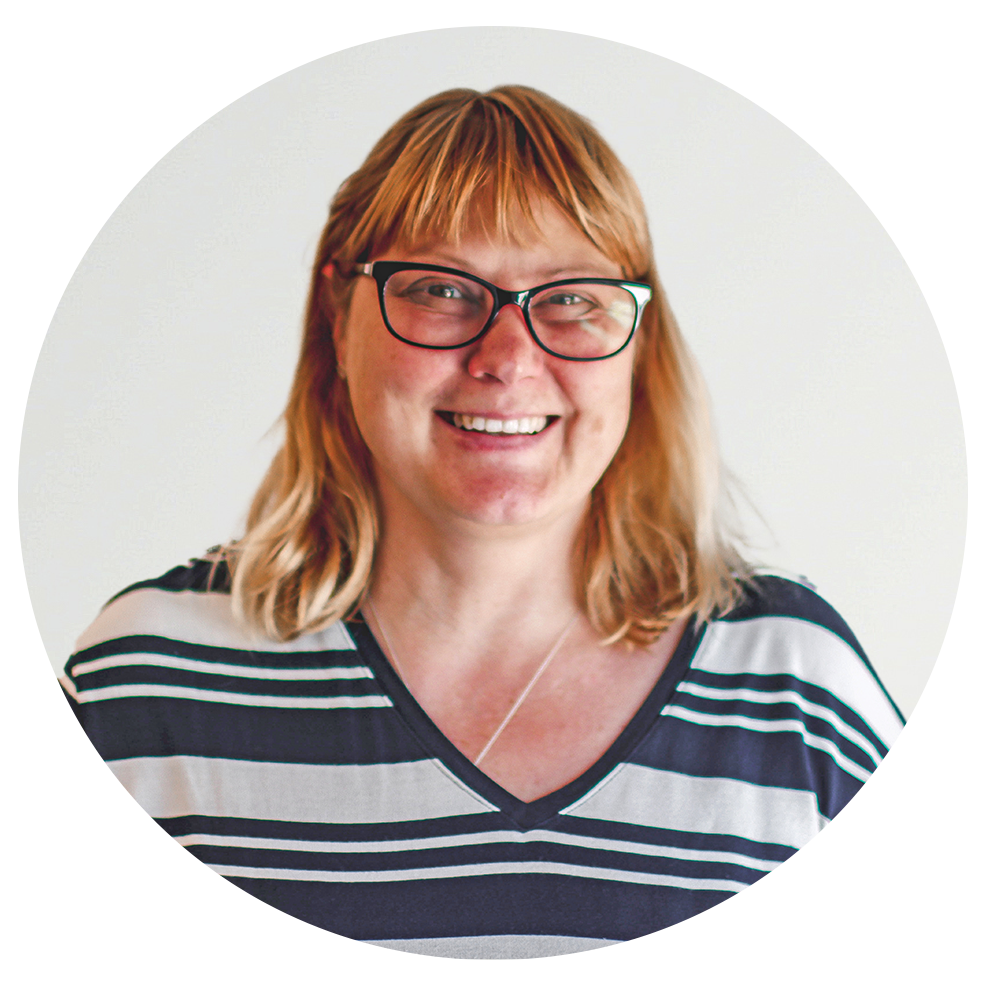
Jenny is a senior occupational therapist. She qualified in 1997 and completed her MSc in Neuro-rehabilitation in 2007. She has worked in Neurological Rehabilitation at the Battle Hospital in Reading, and the Rivermead Rehabilitation Centre in Oxford which became part of the Oxford Centre for Enablement in 2000. She moved into the Specialist Disability Service at the OCE from where she joined the Oxford MND Centre in January 2007.
Since August 2009 Jenny has been funded full-time by the Motor Neurone Disease (MND) Association to develop NHS wheelchair services across the UK, to improve wheelchair provision for people living with MND.

Since qualifying in 2006, Debra has worked as an occupational therapist in both community and in-patient environments. After three years on a mixed NHS and social care rotation, Debra moved to Brent local authority, where she worked for 5 years. In 2014 Debra split her role between managing her own caseload in the private sector and Barnet local authority’s equipment provision service. Debra now runs our seating assessment training programme.
People who watched this also watched...
Sleeping in a Riser Recliner: Reducing risks and supporting independence
Following the success of the previous sessions led by Jenny Rolfe and Sarah Thompson, this interactive webinar will take a deeper dive into the reasons why individuals may choose to sleep in riser recliner chairs- and the potential risks associated with this practice.
Through activity analysis and case studies, we will examine alternative interventions and equipment, including the FloorBed and our award-winning innovation product the Ascenda, which can offer safer, more supportive solutions. The session will also provide practical strategies to help practitioners discuss and address these risks while supporting clients to maintain their independence and quality of life.
Rethinking falls prevention
Falls prevention remains challenging because interventions do not always translate into safer, more effective movement and participation in everyday care.
This two-part series brings together person-centred clinical reasoning and sensory integration, equipping practitioners to better manage risk, support cooperation during care, and enable meaningful participation.
The webinars will be delivered in English, with optional captions available in Danish, Finnish, Norwegian, and Swedish.
Wound assessment, getting it right first time
In this webinar we consider the aspects of wound assessments, tools to support the process of assessment and wound classification to help you have confidence in making treatment decisions.