


How confident are we in addressing pressure care management as part of our 24 hour postural management and seating assessments?
Join us for an insightful live webinar with Sharon Sutherland, Nicky Phillips and Jenny Rolfe, as they delve into Clinical Considerations for 24 hour postural care with a focus on the pressure care elements.
Learning Outcomes
By the end of this webinar, participants will be able to:
- Practice with increased confidence when addressing pressure care management as part of our postural/seating assessments and prescriptions
- Assess their clients/service users needs in accordance with the most up to date best practices
- Identify foundational strategies for effective pressure care management to reduce the risk of pressure injuries.
- Check for bottoming out on all seating surfaces
- Analyse causes of any existing or past pressure ulcers/injuries
Meet our Experts

Sharon brings over 3 decades of specialized expertise in 24- hour postural care, pressure care and related function. As a global leader, she has delivered dynamic and energetic instruction through over 2000 presentations worldwide. Sharon now focuses on offering virtual clinical consultation and mentorship for clinicians seeking to upskill in this specialized area.

Nicky is a dedicated Occupational Therapist with over 16 years of experience, specialising in disability, posture, and seating. She has worked in both in patient and community settings, and most recently served as a seating therapist within the HSE.
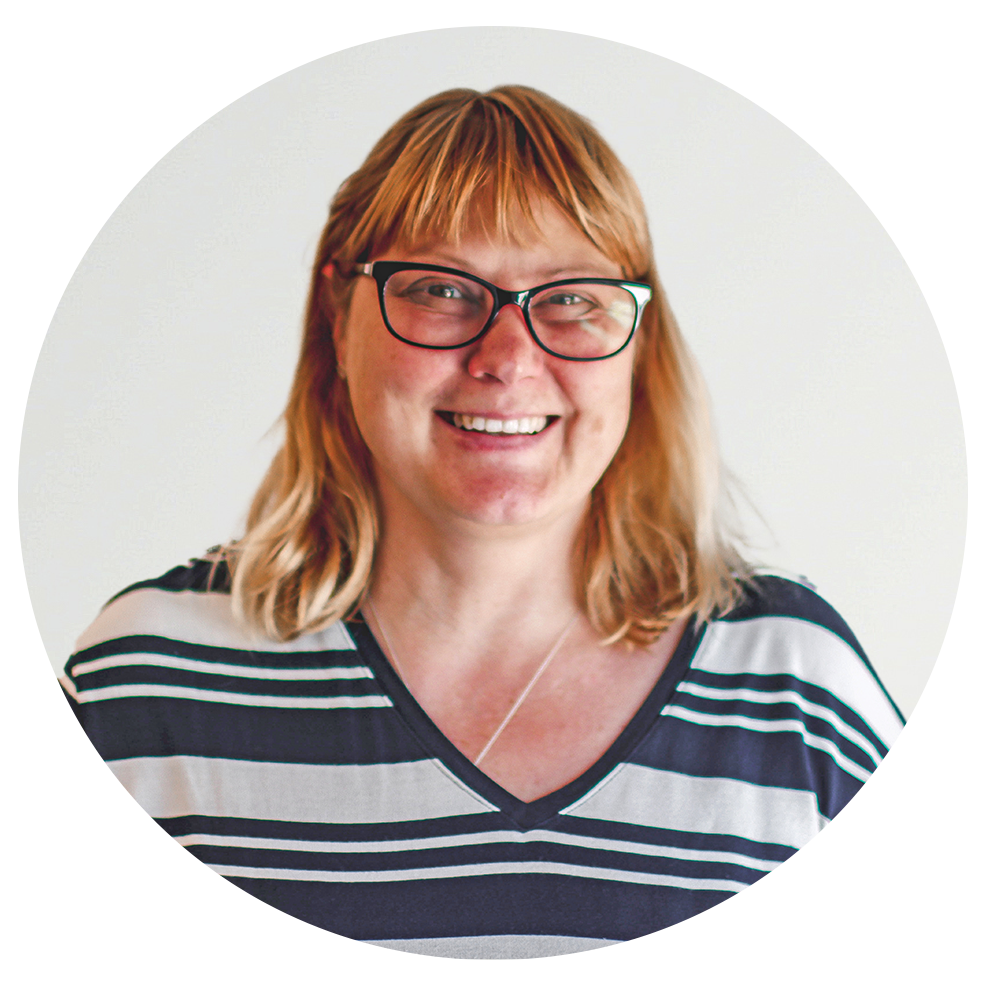
Jenny is a senior occupational therapist. She qualified in 1997 and completed her MSc in Neuro-rehabilitation in 2007. She has worked in Neurological Rehabilitation at the Battle Hospital in Reading, and the Rivermead Rehabilitation Centre in Oxford which became part of the Oxford Centre for Enablement in 2000. She moved into the Specialist Disability Service at the OCE from where she joined the Oxford MND Centre in January 2007.
Since August 2009 Jenny has been funded full-time by the Motor Neurone Disease (MND) Association to develop NHS wheelchair services across the UK, to improve wheelchair provision for people living with MND.
People who watched this also watched...
What do we really know about fibromyalgia?
In this session we will explore the chronic condition known as fibromyalgia in more depth. We will be discussing what it is, how it is best managed and how we can support the person managing the condition, but how we can also support for their carers.
Pressure Ulcer Prevention - No thank you
On occasions, individuals may decline a suggested care intervention which may lead to increased risk and conflict with staff wishing to add in these interventions. This webinar explores why people may make decisions about their care that healthcare professionals find challenging. Why HCPs find these decisions challenging. What national guidance there is around this topic. What you can do when a person decides not to adhere to suggested care interventions.
Introducing the Accora chair range - which chair is right for you?
When it comes to choosing the right chair for a service user, there are several factors to consider to ensure clinical outcomes are met. Accora have a range of chairs to promote independence and this session will provide an overview to assist in choosing the appropriate chair for your service users needs in relation to size, pressure and postural issues.