


Combining postural and pressure management
This webinar shows how pressure and postural management are interlinked and how nurses and therapists can learn from each other and can work together to achieve the most clinically and cost-effective solution for their clients.
Learning Outcomes
- Understand links between pressure and posture management
- Analyse pressure risk assessment and posture assessment and identify cross over to provide solutions for our clients
- Review the evidence for use of pressure and posture management for reduction in pressure injuries
- Take away tips for managing pressure and posture in sitting and lying.
Meet our Experts

Jenny is a senior occupational therapist. She qualified in 1997 and completed her MSc in Neuro-rehabilitation in 2007. She has worked in Neurological Rehabilitation at the Battle Hospital in Reading, and the Rivermead Rehabilitation Centre in Oxford which became part of the Oxford Centre for Enablement in 2000. She moved into the Specialist Disability Service at the OCE from where she joined the Oxford MND Centre in January 2007.
Since August 2009 Jenny has been funded full-time by the Motor Neurone Disease (MND) Association to develop NHS wheelchair services across the UK, to improve wheelchair provision for people living with MND.
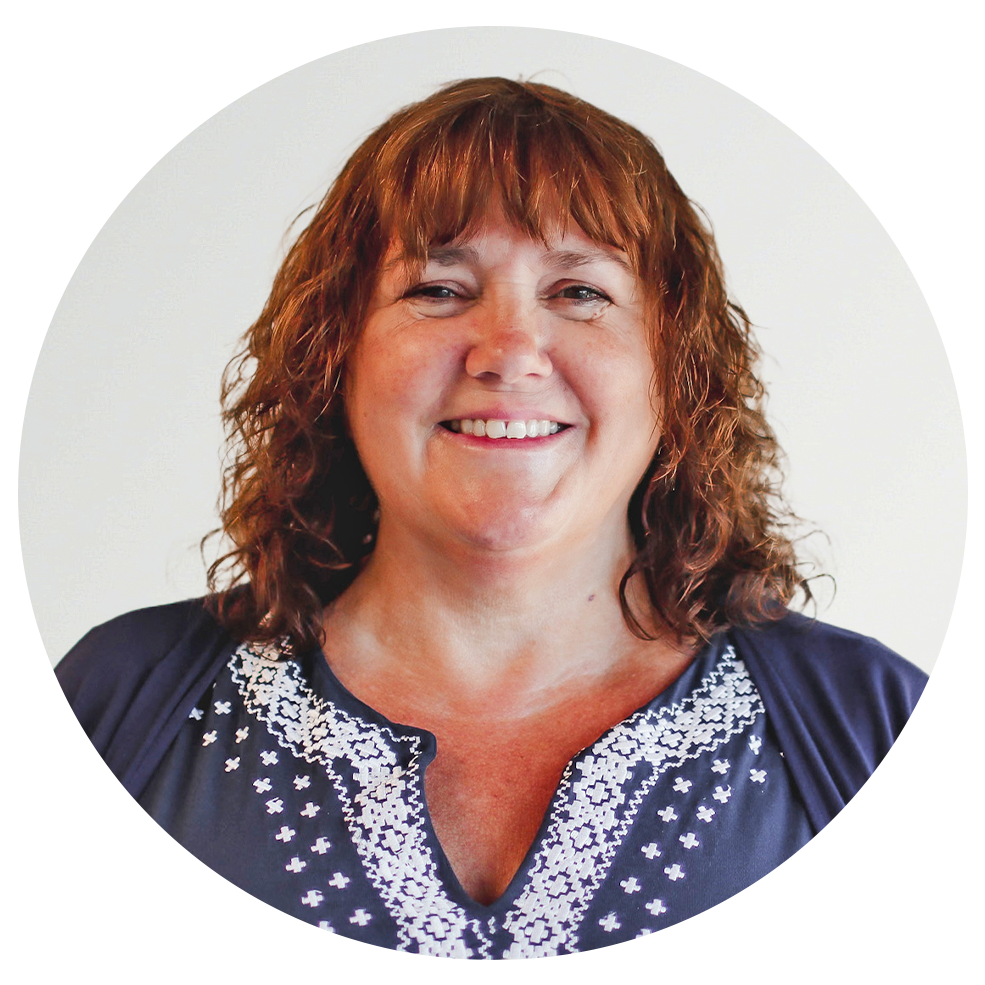
Heidi has been a Tissue Viability Nurse since 2002. Her interest and passion in the prevention and management of pressure ulcers began, however, in 1987 on registering as a nurse. She has worked in both acute and community care.
People who watched this also watched...
You Matter! exploring wellbeing for health and social care professionals
This webinar will focus on the value of personal and professional self-care, provide practical tips for techniques and strategies that can be used both in and out of work to promote good wellbeing and offer a safe setting for time for reflection.
Designing for dementia: Facts Fiction and Finesse
In this webinar we explore dementia from a design and clinical aspect, looking at types and symptoms and how we design our care homes for the future.
Accora's Clinical Corner: the 24-Hour approach to care
This session brings together the key themes explored across our recent webinars on the 24-Hour approach to care. Over the past 3 months, we’ve examined the impact this can have on person-centred care, manual handling, clinical reasoning, tissue viability and postural care.
This chatty, podcast-style webinar offers a relaxed and interactive space to revisit the most important clinical messages from the quarter. Attendees are encouraged to submit questions in advance and during the session, creating an opportunity to explore real-world challenges, clarify key concepts, and deepen understanding of best practice when supporting individuals within the 24-Hour period.
We will also highlight relevant intervention solutions and explore practical strategies for teaching and supporting others, and we will share our 24-Hour care guide with attendees after the session to support ongoing learning and application in practice.
Whether you joined us throughout the series or are looking for a concise and practical summary, this session will consolidate learning and provide actionable insights to apply in practice.
Please submit your questions here.