


Accora's clinical corner: sleeping in a riser recliner
This session brings together the key themes explored across our recent webinars on sleeping in a riser recliner. Over the past 3 months, we’ve examined the impact of sleeping in a riser recliner on sleep hygiene, comfort, confidence, transfers, mobility, pain management, and tissue viability.
This chatty, podcast-style webinar offers a relaxed and interactive space to revisit the most important clinical messages from the quarter. Attendees are encouraged to submit questions in advance and during the session, creating an opportunity to explore real-world challenges, clarify key concepts, and deepen understanding of best practice when supporting individuals who sleep in a riser recliner.
We will also highlight relevant intervention solutions and explore practical strategies for teaching and supporting others, and we will share our Sleeping in a Riser Recliner Guide with attendees after the session to support ongoing learning and application in practice.
Whether you joined us throughout the series or are looking for a concise and practical summary, this session will consolidate learning and provide actionable insights to apply in practice.
Please submit your questions here.
Learning Outcomes
By the end of this session, participants will be able to:
- Understand the clinical implications of sleeping in a riser recliner across multiple domains, including sleep hygiene, mobility, pain, and tissue viability.
- Recognise the potential benefits and risks associated with long-term sleeping in a seated position.
- Identify key considerations to promote comfort, safety, and functional independence.
- Understand the role of intervention products, including the Ascenda, in supporting appropriate positioning and outcomes.
- Apply practical strategies to teach, support, and advise others using our sleeping in a riser recliner guide.
- Reflect on key messages from the quarterly theme and integrate learning into everyday clinical practice.
Meet our Experts
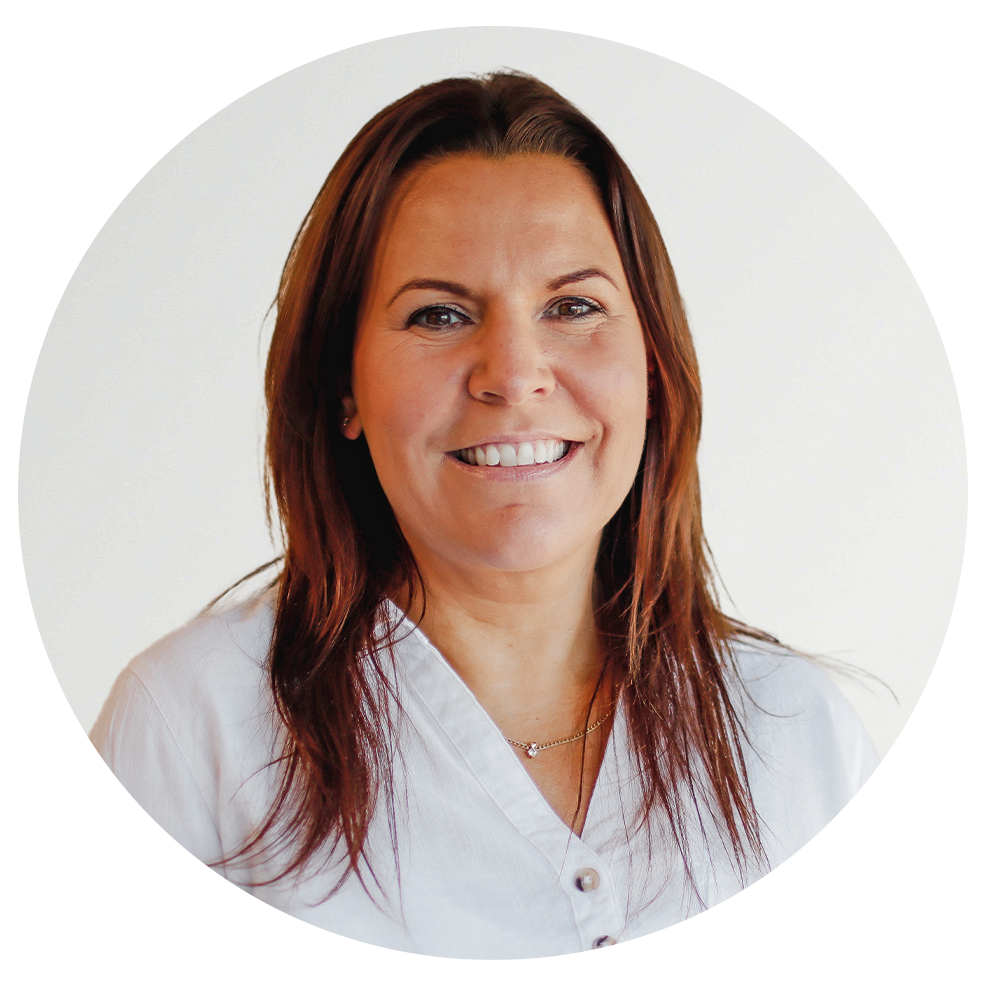
Sarah has always had a keen interest in Tissue Viability since becoming a registered nurse in 2002. Her experience varies from within a community setting, where she completed her Tissue Viability based degree in 2007. She then worked within the private sector to gain additional advanced wound care skills whilst working with a medical devices company specialised in wound healing. In 2010, Sarah became a Tissue Viability Nurse and shaped a specialised service within the acute sector for 7 years before returning to the community setting as a TVN.

Jayne qualified as an OT in 1996 and has a wide range of clinical experience in acute and community settings. Her recent experience has been in Community Equipment Stores providing training and support to prescribers and commissioners.
.png)
Chris has been an Account Manager at Accora for six years, supporting customers across the South East and London. With strong product knowledge and a hands-on approach, he works closely with clinicians and care providers to help them choose the right equipment and get the best outcomes for their service users.
People who watched this also watched...
New year, same challenges: taking care of yourself
In this session, discover strategies to combat burnout and other challenges faced in health and social care, explore usable welling practices and learn how to create a personalised self-care action plan.
Rebuilding lives after stroke
A stroke can happen to anyone. This is an awareness raising webinar looking at what a stroke is and how to recognise when someone might be having a stroke. Having a greater insight into how this brain injury can impact on individuals, can help to inform any professional or personal interactions you may have with people affected by stroke. This webinar also covers what we can all do to reduce our risk of stroke, the work of the Stroke Association and ways we could potentially make a difference together.
The importance of good clinical reasoning
In this two part webinar we will explore:
Part 1: What is clinical reasoning and why is it important – with a focus on the interchangeable terminology and obtaining a deeper understanding of the need for clinical reasoning.
Part 2: How do you clinically justify and how can we get better at it – the speakers will share their thoughts, tips and tricks on best practice.