


Wound assessment, getting it right first time
In this webinar we consider the aspects of wound assessments, tools to support the process of assessment and wound classification to help you have confidence in making treatment decisions.
Learning Outcomes
- Understand factors that might delay healing
- Recognise aspects of wound assessment and tools to support the process
- Understand how to use the wound assessment to make treatment decisions
Meet our Experts
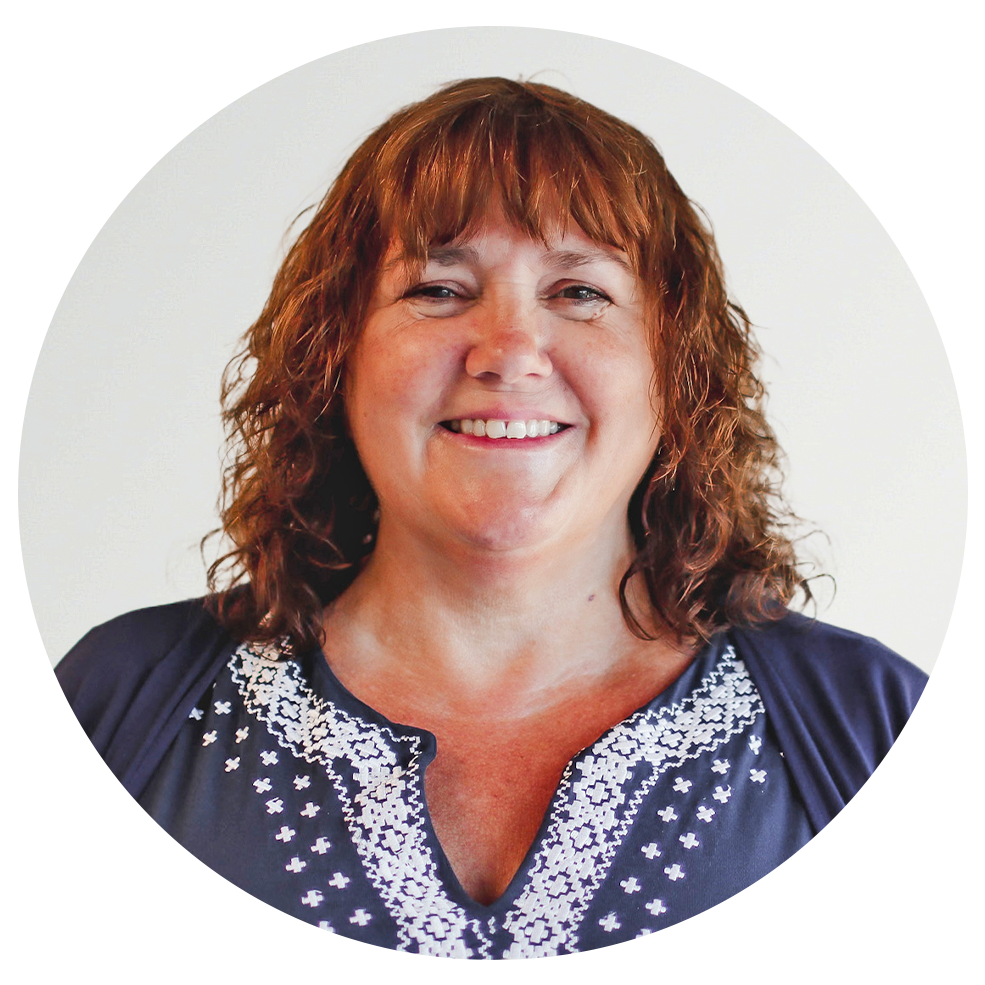
Heidi has been a Tissue Viability Nurse since 2002. Her interest and passion in the prevention and management of pressure ulcers began, however, in 1987 on registering as a nurse. She has worked in both acute and community care.
People who watched this also watched...
Sleeping in a riser recliner: What you need to know
This session covers what you need to know about sleeping in a riser recliner, exploring the person’s perspective alongside key postural and functional considerations. Nicola and Jayne will discuss how choice, mobility, mental health, confidence, and risk influence decision-making, supporting practitioners to reason with service users and balance comfort, safety, and autonomy.
Beyond comfort: the clinical impact of specialist seating
Seating is more than just comfort—it plays a crucial role in supporting posture, pressure care, and overall well-being. This webinar explores the clinical considerations behind prescribing specialist seating, helping you navigate key factors such as postural support, pressure management, and individual fit. Using case-based reasoning, we’ll discuss how different seating solutions can enhance independence, reduce risk, and improve outcomes for service users with complex needs.
Motor Neurone Disease: how Occupational Therapists can make all the difference
What is Motor Neurone Disease and why should I know more about it?
In this 45min webinar we will examine the aetiology and pathology involved with motor neurone disease. We will look at different types of presentations and how these differ in terms of physical presentation and prognosis. We will explore how MND is diagnosed and what treatment options there are currently. In addition, we will start to explore common symptoms which will require intervention to help manage to improve quality of life and extend life expectancy in people who are living with MND.