


Tissue Viability - What OTs need to know and how they can help
This 4-part webinar series explores the complexities of preventing and managing pressure ulcers in community settings, covering topics such as skin care, patient decision-making and the critical roles of nutrition, hydration and posture.
Webinar Parts

Exploring the anatomy of the ...

The what's, when's and how's of pressure ulcer formation
The what's, when's and how's of pressure ulcer formation

Pressure ulcer prevention? No thank you!
Pressure ulcer prevention? No thank you!

The important link between nutrition, hydration and pressure ulcer prevention and how to manage pressure ulcers in the community
The important link between nutrition, hydration and pressure ulcer prevention and how to manage pressure ulcers in the community
Learning Outcomes
- To understand why good skin care is essential
- To understand what leads to vulnerable skin and early warning signs
- Pressure and posture – the link between them
- Issues with cushions on top of chairs
- The big debate - To stay in bed or not to stay in bed?
- To understand the cascade of events that lead to pressure damage
- Root cause analysis process
- To understand the categories of pressure ulcers
- To recognise the key primary factors that can increase the risk of pressure ulcer development
- To understand the place and relevance of risk assessment tools and why they score as they do
- To understand why people may make decisions about their care that healthcare professionals find challenging
- What you can do when a person decides not to adhere to suggested care interventions
- To have an understanding of prevention of pressure ulcers using the aSSKINg bundle
- To gain more in depth understanding of how nutrition plays an important part in the viability of tissue
- To understand how nutrition helps with healing wounds and how to do this in practice
Meet our Experts
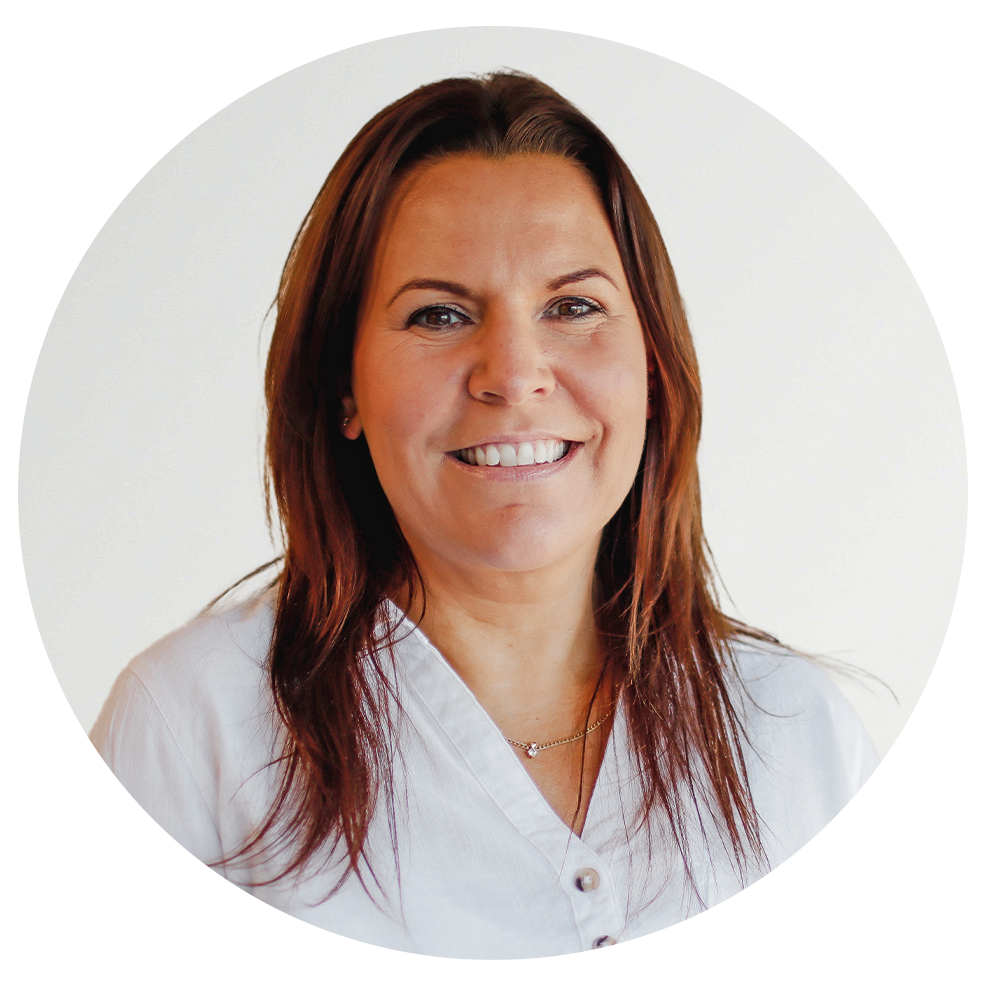
Sarah has always had a keen interest in Tissue Viability since becoming a registered nurse in 2002. Her experience varies from within a community setting, where she completed her Tissue Viability based degree in 2007. She then worked within the private sector to gain additional advanced wound care skills whilst working with a medical devices company specialised in wound healing. In 2010, Sarah became a Tissue Viability Nurse and shaped a specialised service within the acute sector for 7 years before returning to the community setting as a TVN.
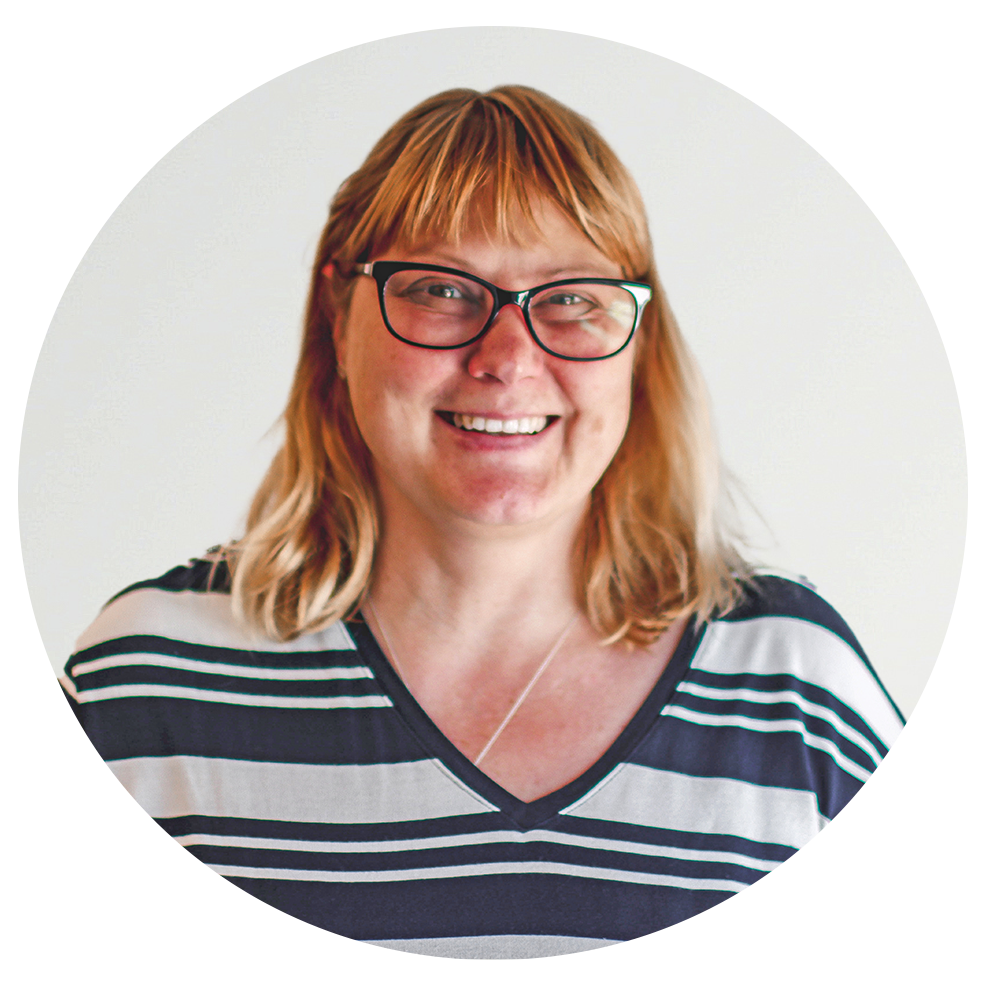
Jenny is a senior occupational therapist. She qualified in 1997 and completed her MSc in Neuro-rehabilitation in 2007. She has worked in Neurological Rehabilitation at the Battle Hospital in Reading, and the Rivermead Rehabilitation Centre in Oxford which became part of the Oxford Centre for Enablement in 2000. She moved into the Specialist Disability Service at the OCE from where she joined the Oxford MND Centre in January 2007.
Since August 2009 Jenny has been funded full-time by the Motor Neurone Disease (MND) Association to develop NHS wheelchair services across the UK, to improve wheelchair provision for people living with MND.
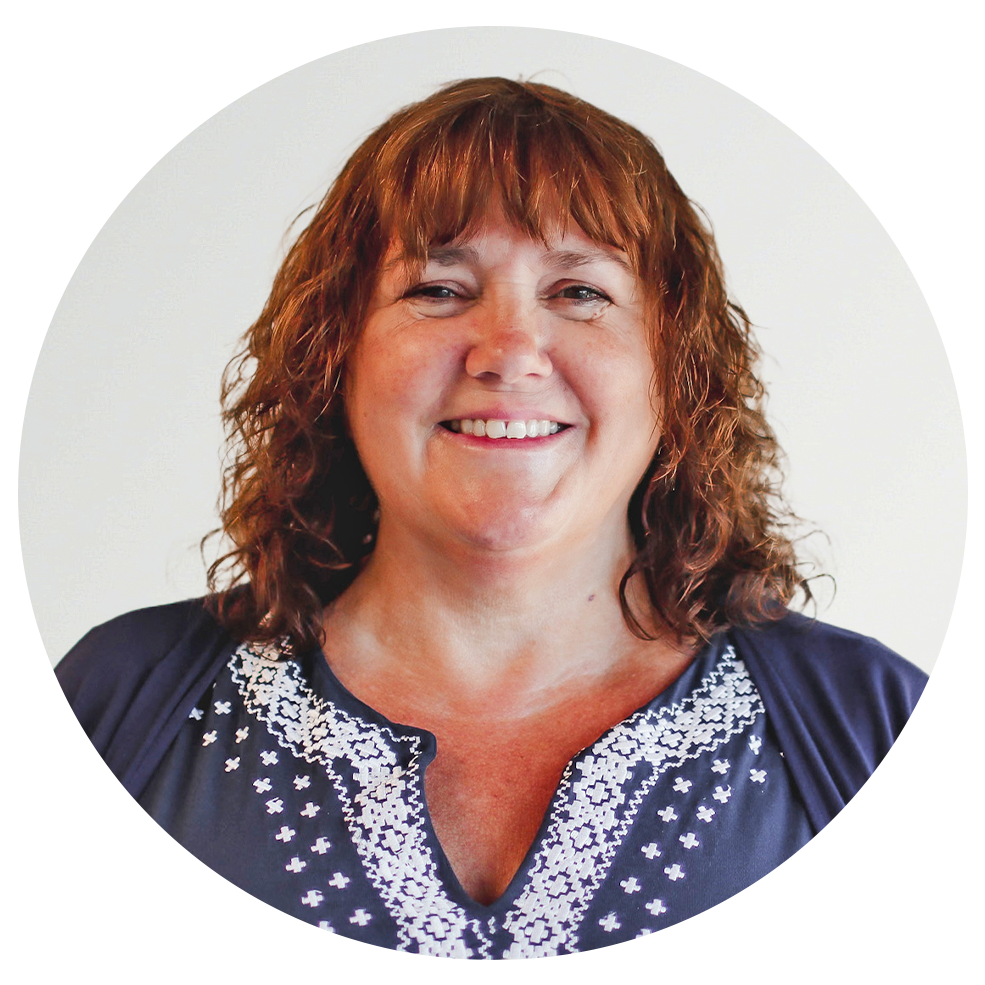
Heidi has been a Tissue Viability Nurse since 2002. Her interest and passion in the prevention and management of pressure ulcers began, however, in 1987 on registering as a nurse. She has worked in both acute and community care.

Tracy has worked as a registered nurse since 2004 and has always had an interest in nutrition. Spending much of her career in different critical cares Tracy worked on various nutrition initiatives around artificial feeding – including naso-gastric feeding and parenteral nutrition. By 2011 Tracy moved on to become a Nutrition Nurse Specialist covering all aspects of patient nutrition. During this time Tracy became an active member of the National Nurses Nutrition Group, becoming Secretary in 2016. By 2017 Tracy moved into Cancer Services, first working as a upper gastrointestinal and hepato/pancreatic/biliary Lead Clinical Nurse Specialist.
Useful resources


People who watched this also watched...
Understand population change and the implications for the care customer in the next 20 years
This webinar explores population-level ageing, examining drivers of change in the age-structure of the population such as fertility, mortality, and migration. We also discuss shifts in living arrangements, family formation, and dissolution, and their impact on older people's circumstances and sources of support. Additionally, we examine socio-economic differences across cohorts and discussed their implications for the changing care landscape over the next 20 years.
Let’s talk about technology enabled care: safety, prevention and independence at home through a TEC lens
As health and social care services continue to evolve, Technology Enabled Care (TEC) is playing an increasingly important role in supporting people to live safely, independently, and confidently in their own homes. This webinar will explore how digital solutions, remote monitoring, telecare, and connected technologies can enhance person-centred care, improve outcomes, and support proactive intervention.
The session will showcase practical examples of TEC in action, discuss implementation challenges and opportunities, and highlight how technology can complement clinical expertise while empowering individuals and their families.
New year, same challenges: taking care of yourself
In this session, discover strategies to combat burnout and other challenges faced in health and social care, explore usable welling practices and learn how to create a personalised self-care action plan.