


Pressure Ulcers - Understanding what went wrong through RCA and PSIRF
This session will consider investigating pressure ulcer incidents within the context of Patient Safety Incident Response Framework (PSIRF) and the new National Wound Care Strategy Recommendations.
Undertaking investigations within your care home or home care team will help you understand what improvements need to be made, if any, to the care being delivered. Demonstrating that this activity is taking place, being acted upon and improving pressure ulcer incidents could support an improved CQC rating.
Learning Outcomes
- Understand briefly how a pressure ulcer is caused
- Be aware of the relevant national documents that guide when to investigate.
- Understand the key actions for prevention
- Understand how to determine which factors led to the development of a pressure ulcer
Meet our Experts
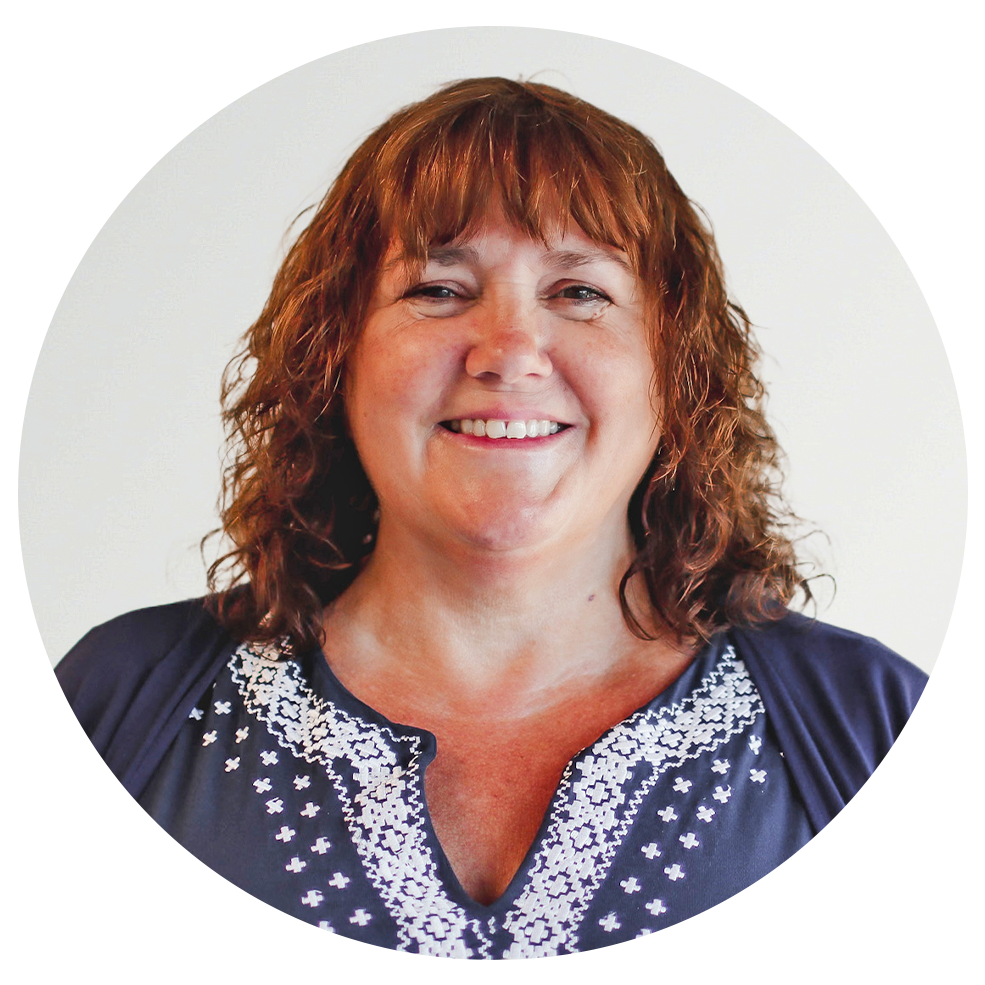
Heidi has been a Tissue Viability Nurse since 2002. Her interest and passion in the prevention and management of pressure ulcers began, however, in 1987 on registering as a nurse. She has worked in both acute and community care.
People who watched this also watched...
Posture management, Tissue viability, or clinical reasoning issues? Ask the panel
We have really enjoyed choosing topics and working with a range of speakers to provide a varied and interesting webinar programme to enhance your learning, but now we want to give you the opportunity to set the scene and ask your questions to our panel of experts.
Wound assessment, getting it right first time
In this webinar we consider the aspects of wound assessments, tools to support the process of assessment and wound classification to help you have confidence in making treatment decisions.
Keeping Everyone Safe: Infection prevention during joint visits
We look at several aspects of infection prevention and control that are crucial to patient / client safety. Evonne will explain how micro-organisms behave, their capability of surviving in the environment and the modes of transmission. We then assess the risks in what we do, and what we need to do in order to prevent the risk of new infections spreading to both the patient / client and ourselves.